This is a story about heroes.
It is a story about two UTU conductor heroes in Fallon, Nev., June 24.
In utter disregard of their own safety, these UTU conductor heroes braved intense flames and choking smoke, repeatedly returning inside two burning Amtrak passenger cars to save the lives of dozens of disoriented, injured and frightened passengers — passengers who otherwise would have been hopelessly trapped in the burning wreckage hit by a tractor-trailer combination at a highway-rail grade crossing.
And in the custom of American band-of-brothers soldiers, one of these UTU conductor heroes went back one last time to bring out one of his own – removing the body of a fellow conductor before the growing flames could consume the body.
Senior military officers would be considering Bronze or Silver stars, a Navy Cross — even the Medal of Honor — for such selfless acts of extreme bravery. Amtrak President Joe Boardman is said to be considering a special honor for these two UTU conductor heroes.
Don’t expect these UTU heroes to be anything but modest. Fact is, you find UTU conductor heroes everywhere who serve and protect.
On 9/11, it was UTU conductors on Port Authority Trans Hudson in New York City who wouldn’t allow the doors of the last train below the World Trade Center to close until every person on the platform was safely on board. Hundreds of lives were saved by these selfless UTU conductor heroes.
In Covington, Va., in February, UTU conductor Dale Smith disregarded his own safety to dash down a steep embankment and into the partially frozen Jackson River to save the life of fellow conductor Alvin (A.J.) Boguess, who had fallen from a trestle, 55-feet above the water.
Author F. Scott Fitzgerald wrote, “Show me a hero and I’ll write you a tragedy.” UTU conductors regularly prove Fitzgerald had it backwards. Time and again, UTU hero conductors validate, “Show me a tragedy and I’ll write you a story about heroes.”
Indeed. Six died in this tragic Amtrak accident; many more likely would have had it not been for these UTU conductor heroes.
In the harrowing moments following the horrendous accident, assistant conductor and UTU Local 166 member Richard d’Alessandro, who initially was knocked unconscious in a dormitory car that took the initial hit from the truck, recovered finding himself laying outside in the desert to discover his arm broken and a finger missing.
In complete disregard for his personal safety, and ignoring his own painful injuries, he took to his radio to broadcast help – “Dispatch everything you have.”
He climbed back into the burning cars, worked his way through the dark smoke and flames in search of passengers who were completely disoriented – many injured — leading one, then another, and still others to safety through emergency exit windows.
His rescues complete, d’Alessandro’s next action was to obtain water for the elderly, which he began distributing.
Also in the dormitory car was off-duty conductor and UTU Local 1525 (Carbondale, Ill.) member Loxie Sanders, traveling to California to be with a daughter facing surgery.
With flames surrounding him, Sanders knocked out emergency windows, joining with d”Alessandro to lead injured, disoriented and frightened passengers to safety. As he heard a voice, he led the passenger to an exit window, helping them out and down to other rescuers 10-feet below the car.
Only when all passengers he could find had been led to safety did Sanders, suffering from smoke inhalation, exit the burning car.
But he went back. He went back in search of 68-year-old conductor and UTU Local 166 member Laurette Lee, whom he found dead under a metal door. Ignoring the flames and dense smoke, Sanders lifted the body and carried it outside the car away from the all-consuming flames.
Concerned that more passengers might still be in the growing inferno, Sanders went back again – his hand severely burned from scaling the car to gain entry.
Listening for voices, Sanders worked his way to more disoriented passengers, leading them, also, to safety. Only when there were no more voices to be heard in the smoke that made vision almost impossible did Sanders consider his own safety and exit the burning car a final time.
Said NTSB investigator Ted Turpin, “That was the greatest act of heroism I’ve seen in my [15 years] as an [accident] investigator.”
More heroes appeared – from a Union Pacific freight train following the ill-fated westbound Amtrak California Zephyr. Unidentified crew members from the UP train ran to the scene and assisted the passengers.
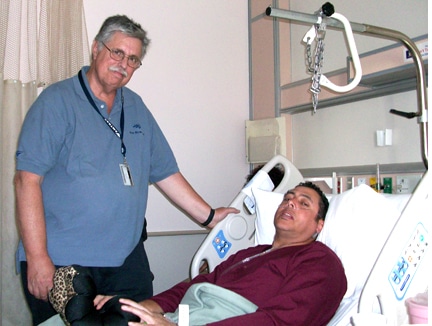
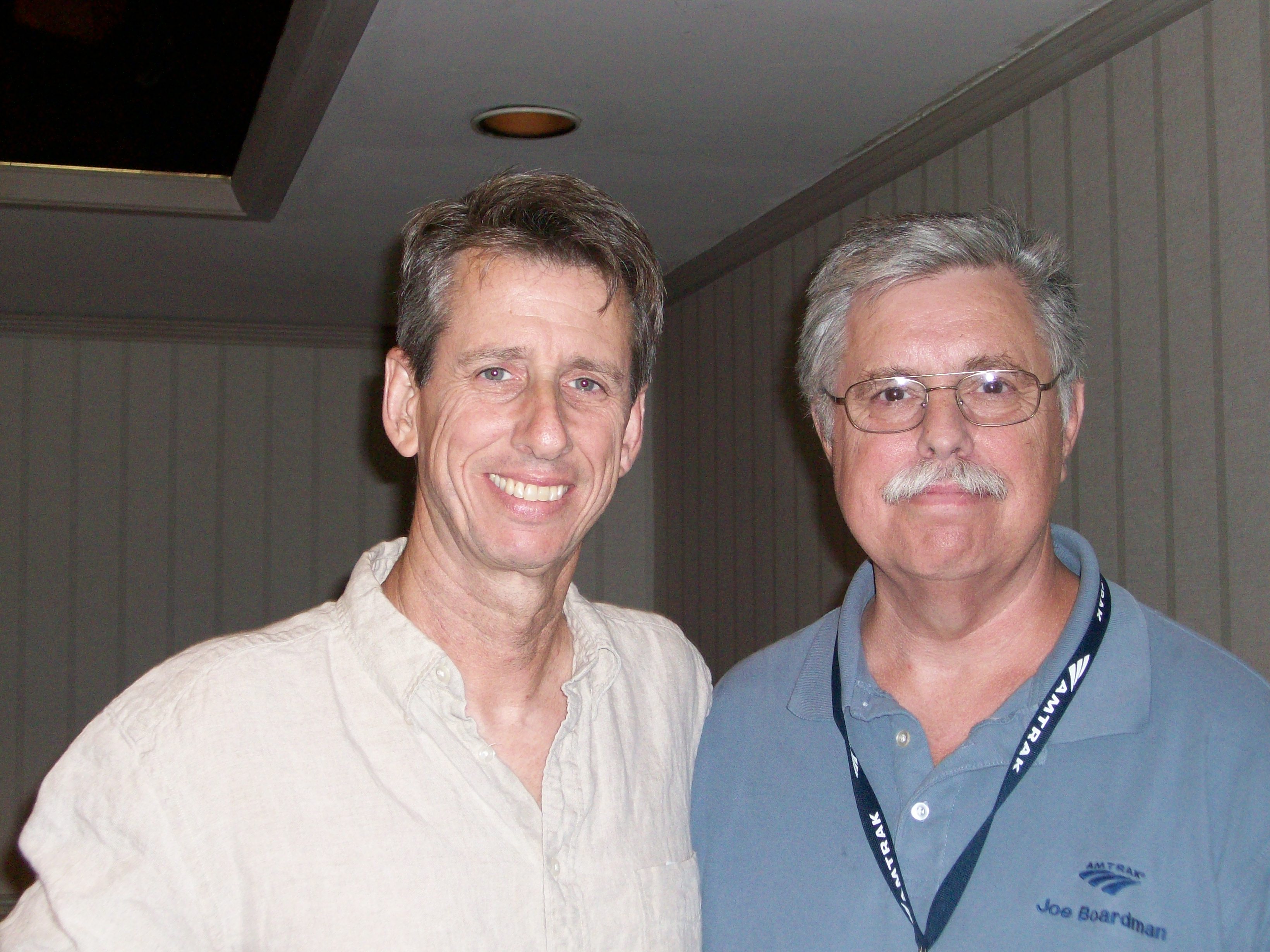
d’Alessandro and Sanders were transported to a local hospital. Among their first visitors was Amtrak President Boardman, who had taken the first available flight to Reno to be at the scene of the disaster.
As injured passengers were interviewed by investigators, they recalled most and vividly the heroic actions of these selfless rails – d’Alessandro, Sanders, and the still unnamed UP crew.
Hardened accident investigators from the NTSB and Federal Railroad Administration choked with emotion as they listened, reports UTU Arizona State Legislative Director Greg Hynes, a member of the UTU Transportation Safety Team, who was assisting the NTSB in the investigation.
“Brave men. Brave men,” was all Hynes could say. It was more than enough.
It is a story about two UTU conductor heroes in Fallon, Nev., June 24.
In utter disregard of their own safety, these UTU conductor heroes braved intense flames and choking smoke, repeatedly returning inside two burning Amtrak passenger cars to save the lives of dozens of disoriented, injured and frightened passengers — passengers who otherwise would have been hopelessly trapped in the burning wreckage hit by a tractor-trailer combination at a highway-rail grade crossing.
And in the custom of American band-of-brothers soldiers, one of these UTU conductor heroes went back one last time to bring out one of his own – removing the body of a fellow conductor before the growing flames could consume the body.
Senior military officers would be considering Bronze or Silver stars, a Navy Cross — even the Medal of Honor — for such selfless acts of extreme bravery. Amtrak President Joe Boardman is said to be considering a special honor for these two UTU conductor heroes.
Don’t expect these UTU heroes to be anything but modest. Fact is, you find UTU conductor heroes everywhere who serve and protect.
On 9/11, it was UTU conductors on Port Authority Trans Hudson in New York City who wouldn’t allow the doors of the last train below the World Trade Center to close until every person on the platform was safely on board. Hundreds of lives were saved by these selfless UTU conductor heroes.
In Covington, Va., in February, UTU conductor Dale Smith disregarded his own safety to dash down a steep embankment and into the partially frozen Jackson River to save the life of fellow conductor Alvin (A.J.) Boguess, who had fallen from a trestle, 55-feet above the water.
Author F. Scott Fitzgerald wrote, “Show me a hero and I’ll write you a tragedy.” UTU conductors regularly prove Fitzgerald had it backwards. Time and again, UTU hero conductors validate, “Show me a tragedy and I’ll write you a story about heroes.”
Indeed. Six died in this tragic Amtrak accident; many more likely would have had it not been for these UTU conductor heroes.
In the harrowing moments following the horrendous accident, assistant conductor and UTU Local 166 member Richard d’Alessandro, who initially was knocked unconscious in a dormitory car that took the initial hit from the truck, recovered finding himself laying outside in the desert to discover his arm broken and a finger missing.
In complete disregard for his personal safety, and ignoring his own painful injuries, he took to his radio to broadcast help – “Dispatch everything you have.”
He climbed back into the burning cars, worked his way through the dark smoke and flames in search of passengers who were completely disoriented – many injured — leading one, then another, and still others to safety through emergency exit windows.
His rescues complete, d’Alessandro’s next action was to obtain water for the elderly, which he began distributing.
Also in the dormitory car was off-duty conductor and UTU Local 1525 (Carbondale, Ill.) member Loxie Sanders, traveling to California to be with a daughter facing surgery.
With flames surrounding him, Sanders knocked out emergency windows, joining with d”Alessandro to lead injured, disoriented and frightened passengers to safety. As he heard a voice, he led the passenger to an exit window, helping them out and down to other rescuers 10-feet below the car.
Only when all passengers he could find had been led to safety did Sanders, suffering from smoke inhalation, exit the burning car.
But he went back. He went back in search of 68-year-old conductor and UTU Local 166 member Laurette Lee, whom he found dead under a metal door. Ignoring the flames and dense smoke, Sanders lifted the body and carried it outside the car away from the all-consuming flames.
Concerned that more passengers might still be in the growing inferno, Sanders went back again – his hand severely burned from scaling the car to gain entry.
Listening for voices, Sanders worked his way to more disoriented passengers, leading them, also, to safety. Only when there were no more voices to be heard in the smoke that made vision almost impossible did Sanders consider his own safety and exit the burning car a final time.
Said NTSB investigator Ted Turpin, “That was the greatest act of heroism I’ve seen in my [15 years] as an [accident] investigator.”
More heroes appeared – from a Union Pacific freight train following the ill-fated westbound Amtrak California Zephyr. Unidentified crew members from the UP train ran to the scene and assisted the passengers.
d’Alessandro and Sanders were transported to a local hospital. Among their first visitors was Amtrak President Boardman, who had taken the first available flight to Reno to be at the scene of the disaster.
As injured passengers were interviewed by investigators, they recalled most and vividly the heroic actions of these selfless rails – d’Alessandro, Sanders, and the still unnamed UP crew.
Hardened accident investigators from the NTSB and Federal Railroad Administration choked with emotion as they listened, reports UTU Arizona State Legislative Director Greg Hynes, a member of the UTU Transportation Safety Team, who was assisting the NTSB in the investigation.
“Brave men. Brave men,” was all Hynes could say. It was more than enough.