
The SMART-SMACNA Partners in Progress Task Force met in New Orleans, Louisiana, on September 25-26. Attendees, which included Local 25 (Northern New Jersey) Business Manager Joe Demark, Local 219 (Rockford, Illinois) Business Manager Joe Cook, Assistant to the General President Darrell Roberts and others, focused on labor-management strategies to secure and grow the future of the unionized sheet metal industry. Topics included maintaining sustainable growth, pro-union regulatory policies, recruitment and retention, and more.
Tag: Partners in Progress
The Partners in Progress 2024 conference brought sheet metal and signatory management leaders to Orlando, Florida, from February 27–28. With a conference theme of “The Future Is Now,” labor and management representatives came together to focus on seizing this moment of opportunity for SMART sheet metal workers and our union contractors.
Day one sets the stage
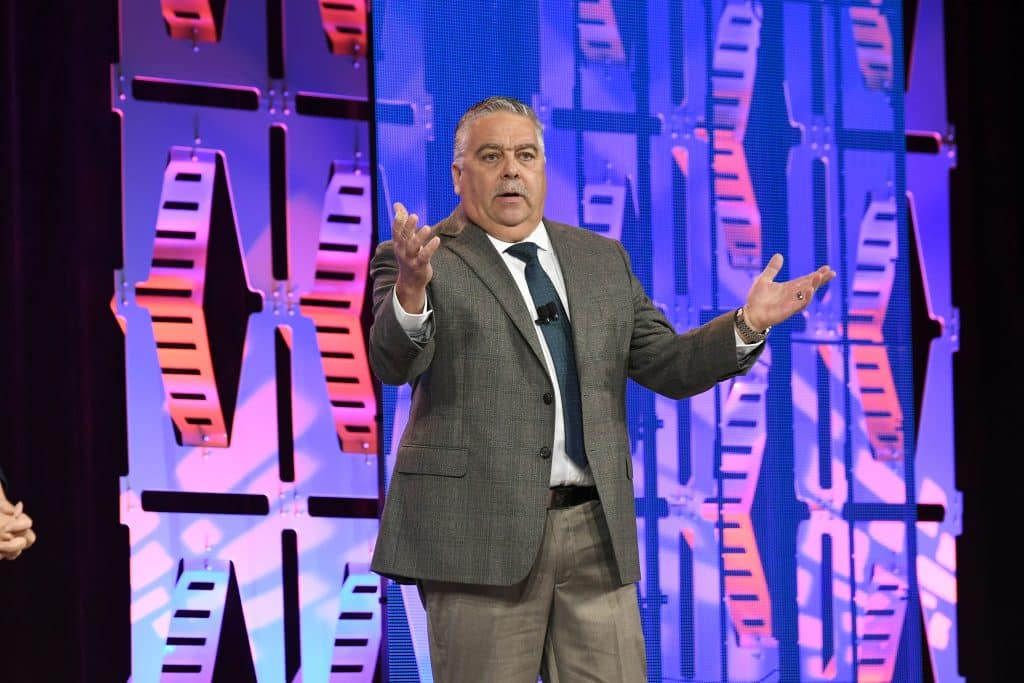
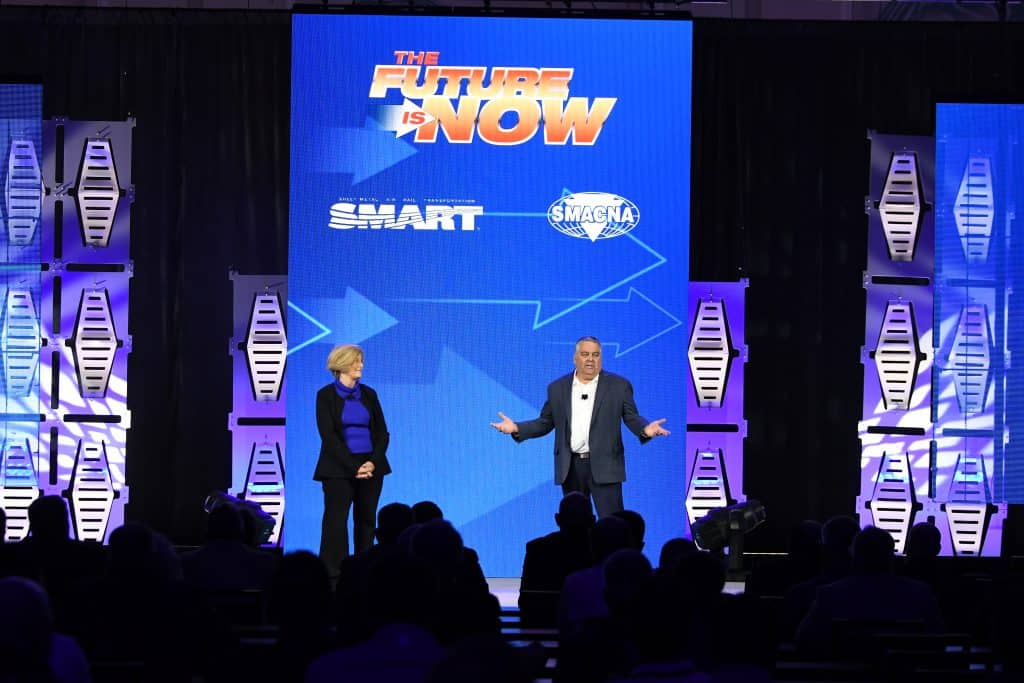
The conference kicked off with a joint presidential address by SMART General President Michael Coleman and SMACNA President Carol Duncan, who — together — described the steps our organizations have taken to increase work, recruiting and growth prospects across North America. Duncan provided an overview of the jobs being created by a surge of megaprojects in both the United States and Canada, pointing out that only by working together can local unions and signatory contractors make sure those projects are completed by high-road union employers and workers. Coleman agreed, noting the importance of collaborating to create cultures that are inclusive, welcoming and that help the unionized sheet metal workforce grow.
“People are coming to us for a better life,” he said. “But we must make sure people can find it. If our doors are closed, I think both Carol and I will feel that we failed.”
Coleman outlined many of the collaborative successes SMART and SMACNA have already achieved: the formation of the SMART, SMACNA and International Training Institute (ITI) Belonging and Excellence for All (BE4ALL) initiative, which has distributed menstrual kits to JATCs organization- wide, conducted bias and belonging trainings and recently published its groundbreaking rapid response protocol; legislation and union-friendly elected officials that SMART and SMACNA lobbied and mobilized for collectively; and much more. He also discussed how vital it is for local unions and contractors to embrace the I Got Your Back Campaign, promoting a mentorship model that helps ALL workers succeed in our industry.
“We often hear — and say — that we want to leave things better than when we arrived. Now is the time to do just that,” Coleman said. “Yes, it will take our best efforts. But our entire industry and everyone who puts their trust in us deserve nothing less.”
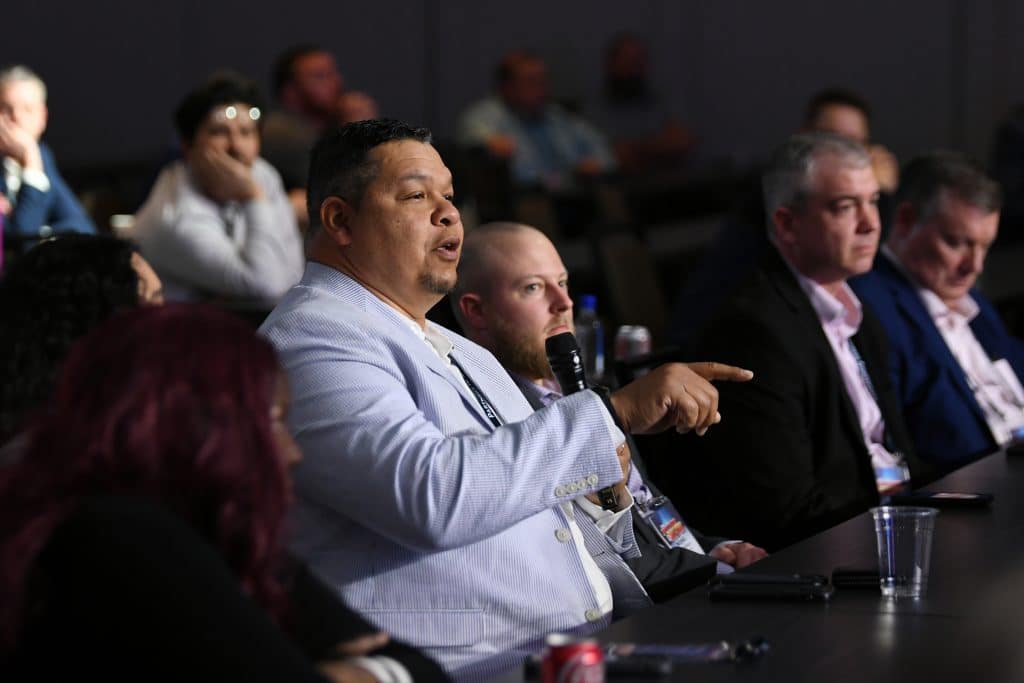
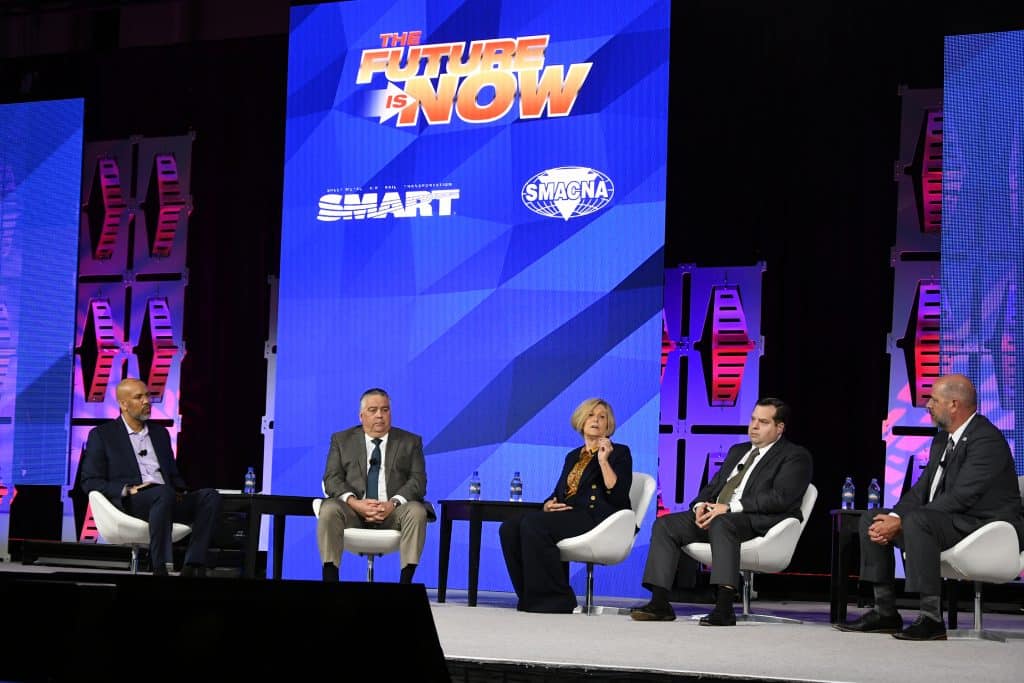
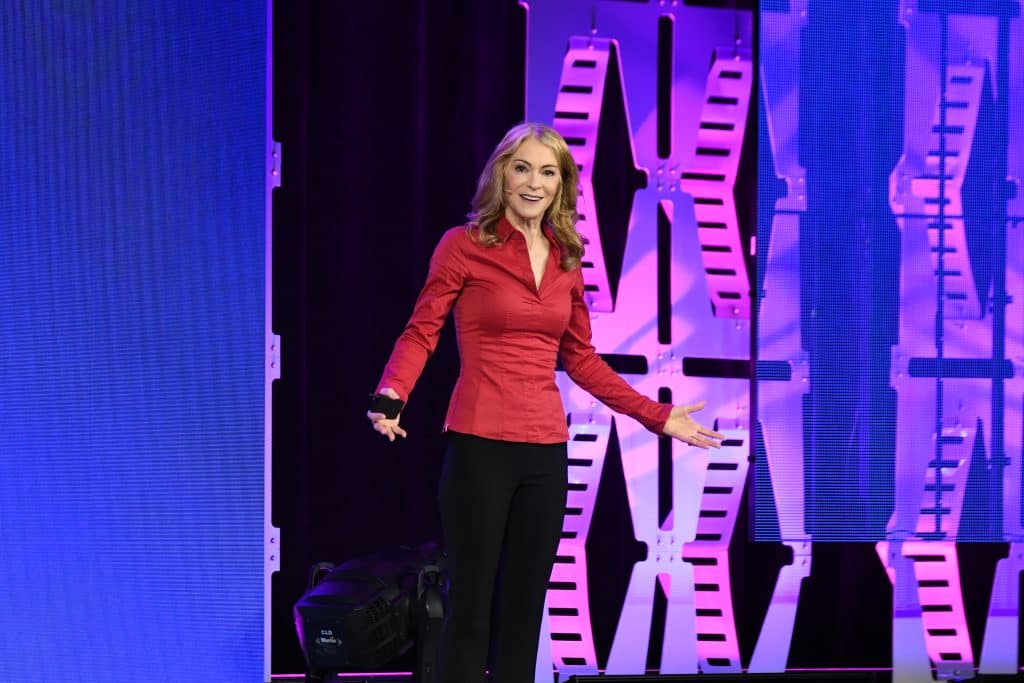
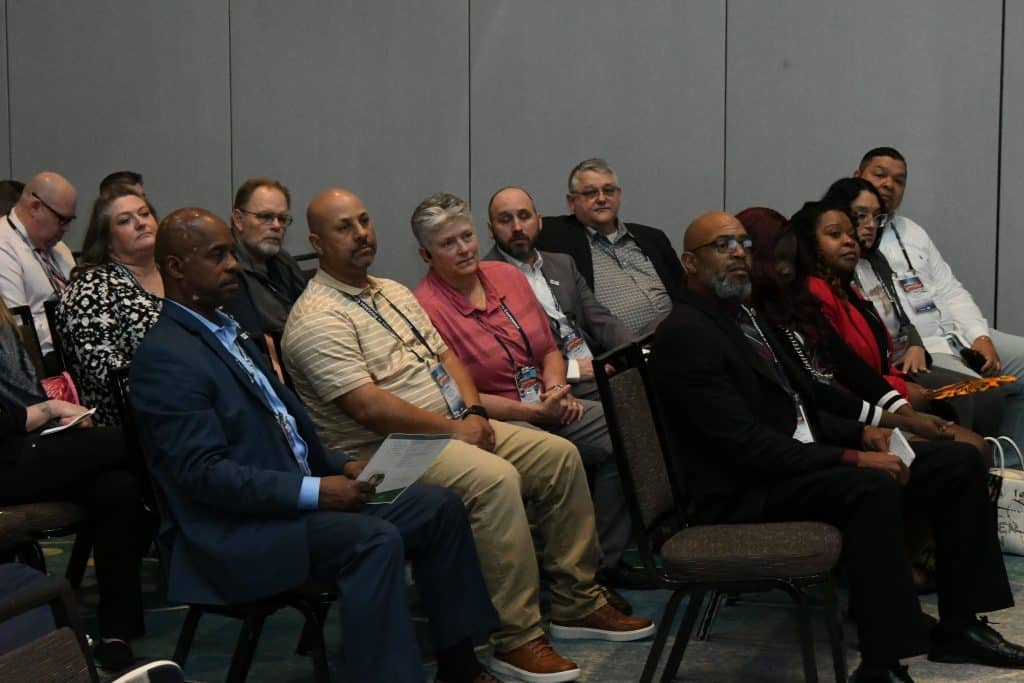
Following a keynote address by award-winning speaker Victoria Labalme, who garnered a standing ovation from attendees for her speech on “risk-forward” leadership, SMART and SMACNA leaders got to work in breakouts. Sessions included presentations on maximizing indoor air quality work opportunities by National Energy Management Institute (NEMI) Administrator Lisa Davis; a panel featuring Coleman, Duncan and Procore Vice President Rubiena Duarte on building and sustaining healthy organizational cultures in the union sheet metal industry; a training on utilizing the rapid response protocol by SMART House Counsel Luke Rebecchi and Felhaber Larson’s Dan Kelly; and an overview of the importance of building local mentoring programs by NEMI’s Davis and Tammy Meyen of the ITI.
Day one concluded with an afternoon general session. Dushaw Hockett, a key partner in the BE4ALL initiative, presented on the importance of strong, local labor-management partnerships that are focused on leveraging strengths, networks, community partners and more to help workers and contractors alike. Clark Ellis of Continuum Advisory Group addressed the future of the construction industry, overviewing trends, challenges and opportunities by telling the story of what one worker’s career could look like in the near future — if the union sheet metal industry takes steps to recruit and retain ALL workers, including women, people of color, the formerly incarcerated and beyond. And finally, Coleman, Duncan, SMART General Secretary-Treasurer Joseph Powell and SMACNA CEO Aaron Hilger conducted a reside chat with attendees, fostering an open dialogue on how labor and management can work together to take advantage of this moment. Leaders talked about programs that have been implemented to help solve workforce challenges, from BE4ALL and mentoring initiatives to the SMART Incentive Program, and spoke frankly about the steps we need to take to strengthen our industry hold.
Day two: Attendees depart with purpose
Union sheet metal industry leaders picked up where they left off on day two of Partners in Progress, beginning with a morning full of breakout sessions intended to help local unions and contractors secure work and expand market share.
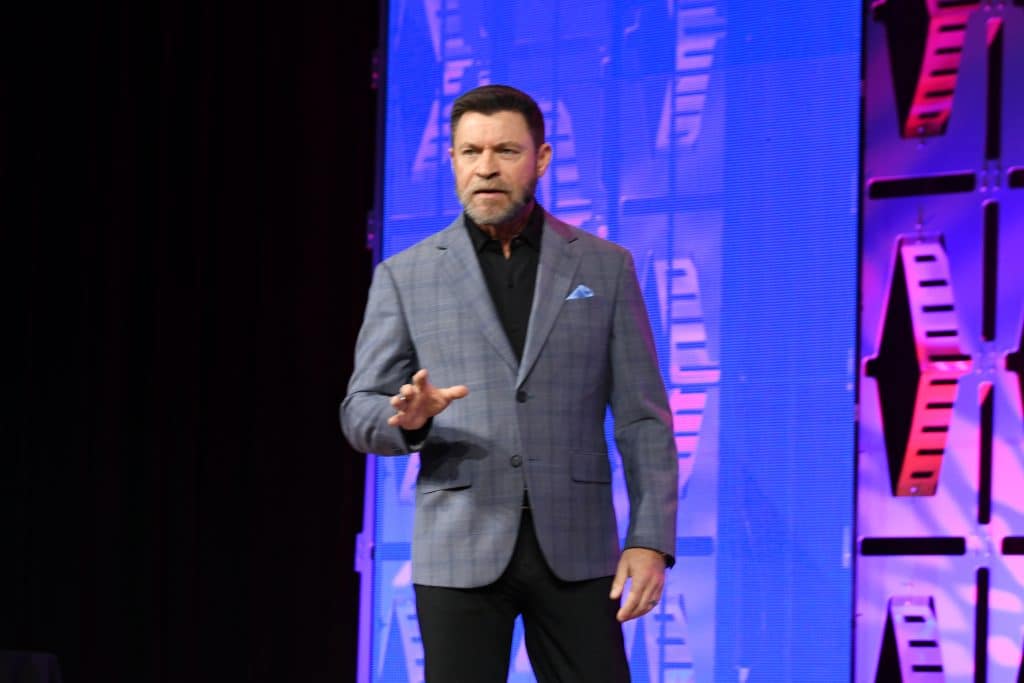
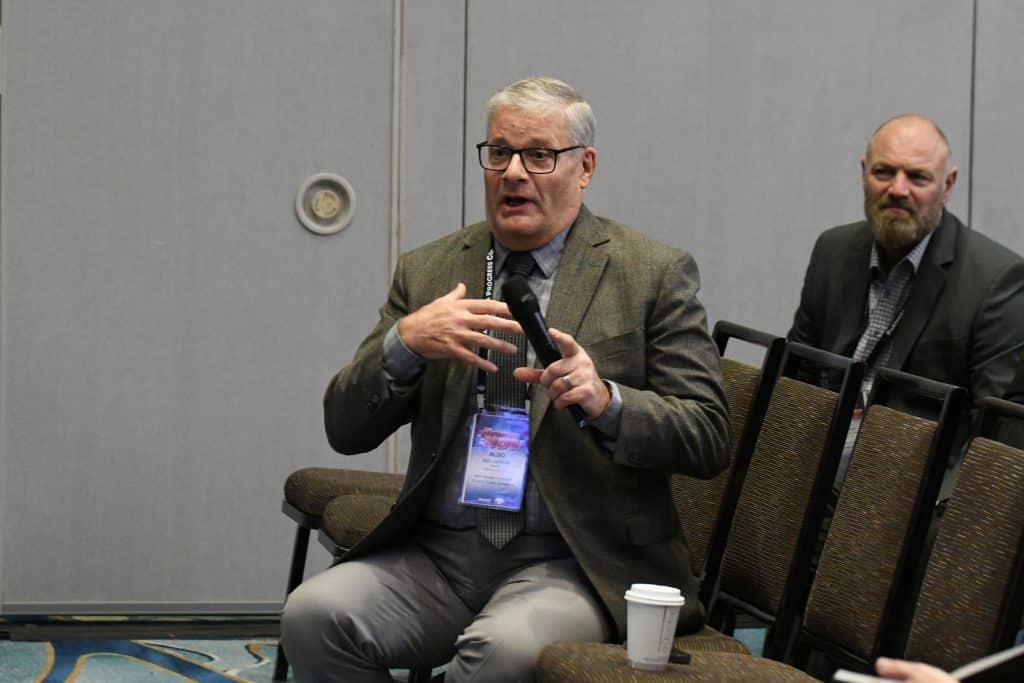
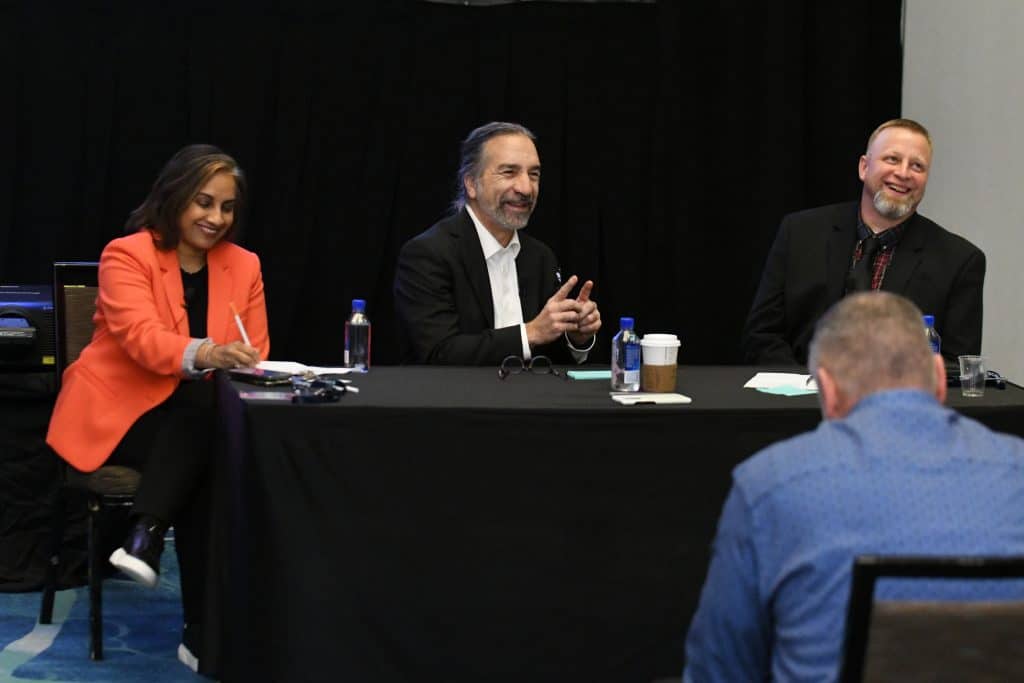
SMART Local 91 (Rock Island, Illinois) Business Manager Eric Meirhaeghe and Illowa Sheet Metal Contractors Association Chapter Executive Paul Elgatian joined Procore Vice President Duarte for a session on open and effective communication between teams, demonstrating how a relationship built on clear and intentional communication can create and secure work for SMART members and contractors. SMART International Organizer Will Scott, Dushaw Hockett and SMACNA Sacramento Valley Chapter’s Cheryl Sprague held a session titled “Collaboration for Progress,” diving deep into the characteristics of impactful partnership and underlining how collaborations with community groups and nonprofit organizations can boost our industry’s profile. And SMART Member Assistance Program Coordinator Chris Carlough co-presented a session titled “Beyond the Basic: A Renewed Approach to Mental Health and Wellness” with Cort Consulting’s Ben Cort, exploring the importance of addressing mental health in our industry — and what SMART has done so far in the arena.
The two general sessions sent attendees on their way with a focus on transforming their local areas to achieve success. Steven English, a 22-year engineer and head of Steven English Coaching and Training, presented on “Building Leadership Culture: Inspiring and Developing Tomorrow’s Leaders” — helping SMART and SMACNA members explore strategies, principles and best practices for cultivating leadership at each level of our respective organizations. The next speaker, Dr. Michael F. Barnes, also spoke to the significance of culture, particularly creating inclusive and positive workplaces in order to benefit workers’ mental health. Barnes overviewed topics including hazing and bullying, open communication, mental health awareness and more, helping equip attendees with knowledge and tools to create workplaces that put members’ well-being first.
The conference concluded with a moving keynote speech from best-selling author Kevin Brown and closing reflections from General President Coleman and SMACNA President Duncan, who each noted the importance of collaborating not just in name but in action as we look to the future.
“Our collaborative efforts have demonstrated alignment between labor and management on most issues we face. We’re not divided by our differences; rather, we’re propelled by our common goals,” said Duncan.
“It has been inspiring to hear what the leaders in this room are doing to meet this moment,” Coleman concluded. “All of you — from the labor side, from the management side — are here today because you are committed to hard work. You came here to form relationships with each other, to identify the challenges and opportunities ahead, to brainstorm and come up with collective solutions that will strengthen and expand our unionized workforce.”
The Partners in Progress 2024 conference brought sheet metal and signatory management leaders to Orlando, Florida, from February 27-28. With a conference theme of “The Future Is Now,” labor and management representatives came together to focus on seizing this moment of opportunity for SMART sheet metal workers and our union contractors.
Day one sets the stage
The conference kicked off with a joint presidential address by SMART General President Michael Coleman and SMACNA President Carol Duncan, who – together – described the steps our organizations have taken to increase work, recruiting and growth prospects across North America.
Duncan provided an overview of the jobs being created by a surge of megaprojects in both the United States and Canada, pointing out that only by working together can local unions and signatory contractors make sure those projects are completed by high-road union employers and workers. Coleman agreed, noting the importance of collaborating to create cultures that are inclusive, welcoming and that help the unionized sheet metal workforce grow.
“People are coming to us for a better life,” he said. “But we must make sure people can find it. If our doors are closed, I think both Carol and I will feel that we failed.”
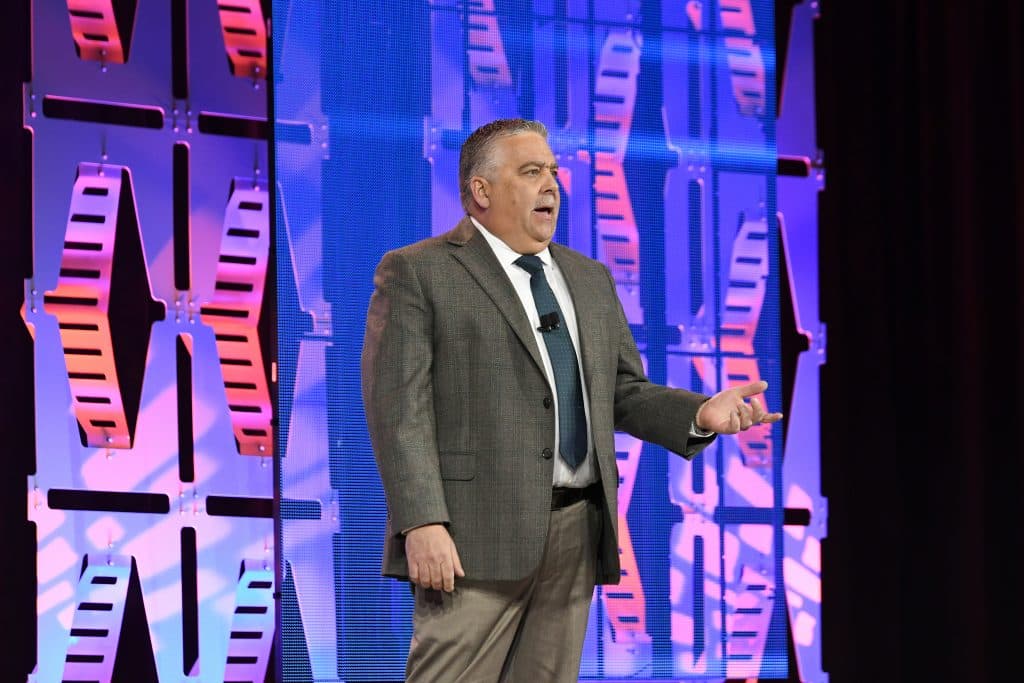
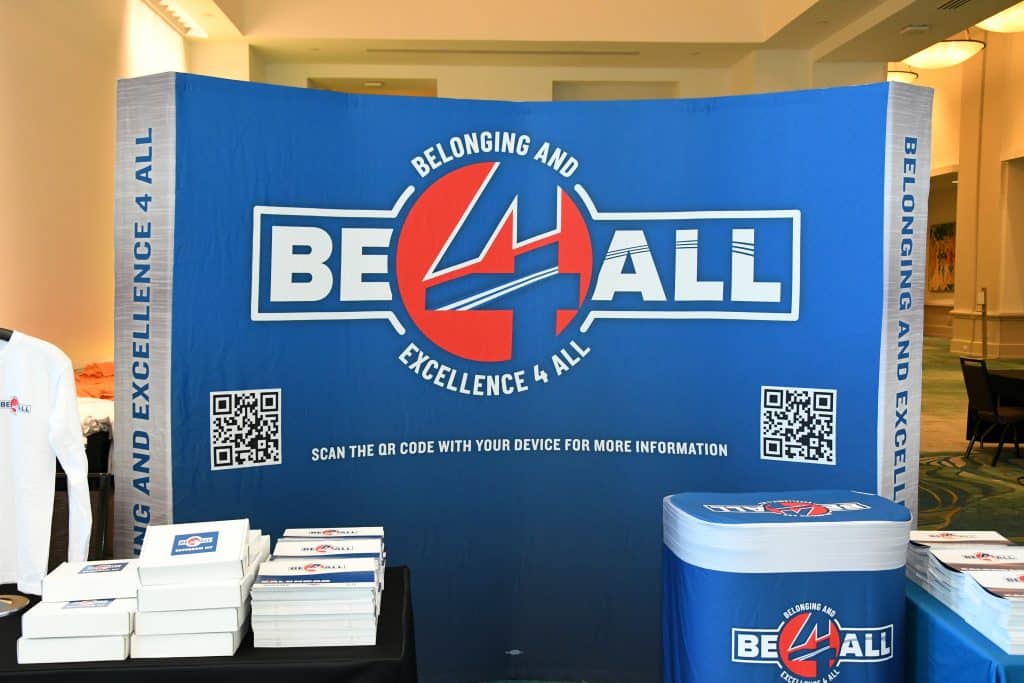
Coleman outlined many of the collaborative successes SMART and SMACNA have already achieved: the formation of the SMART, SMACNA and International Training Institute (ITI) Belonging and Excellence for All (BE4ALL) initiative, which has distributed menstrual kits to JATCs organization-wide, conducted bias and belonging trainings and recently published its groundbreaking rapid response protocol; legislation and union-friendly elected officials that SMART and SMACNA lobbied and mobilized for collectively; and much more. He also discussed how vital it is for local unions and contractors to embrace the I Got Your Back Campaign, promoting a mentorship model that helps ALL workers succeed in our industry.
“We often hear – and say – that we want to leave things better than when we arrived. Now is the time to do just that,” Coleman said. “Yes, it will take our best efforts. But our entire industry and everyone who puts their trust in us deserve nothing less.”
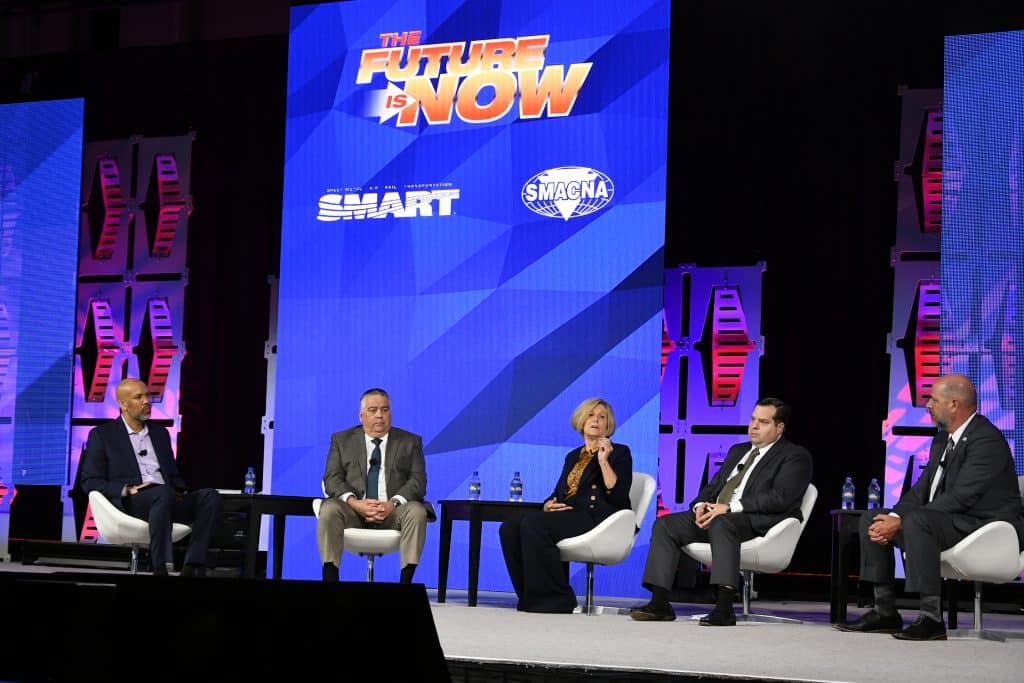
Following a keynote address by award-winning speaker Victoria Labalme, who garnered a standing ovation from attendees for her session on “risk-forward” leadership, SMART and SMACNA leaders got to work in breakouts. Sessions included presentations on maximizing indoor air quality work opportunities by NEMI Administrator Lisa Davis; a panel featuring Coleman, Duncan and Procore Vice President Rubiena Duarte on building and sustaining healthy organizational cultures in the union sheet metal industry; a training on utilizing the rapid response protocol by SMART House Counsel Luke Rebecchi and Felhaber Larson’s Dan Kelly; and an overview of the importance of building local mentoring programs by NEMI’s Davis and Tammy Meyen of the ITI.
Day one concluded with an afternoon general session. Dushaw Hockett, a key partner in the BE4ALL initiative, presented on the importance of strong, local labor-management partnerships that are focused on leveraging strengths, networks, community partners and more to create opportunities for workers and contractors alike. Clark Ellis of Continuum Advisory Group addressed the future of the construction industry, overviewing trends, challenges and opportunities by telling the story of what one worker’s career could look like in the near future – if the union sheet metal industry takes steps to recruit and retain ALL workers, including women, people of color, the formerly incarcerated and beyond.
And finally, Coleman, Duncan, SMART General Secretary-Treasurer Joseph Powell and SMACNA CEO Aaron Hilger conducted a fireside chat with attendees, fostering an open dialogue on how labor and management can work together to take advantage of this moment. Leaders talked about programs that have been implemented to help solve workforce challenges, from BE4ALL and mentoring initiatives to the SMART Incentive Program, and spoke frankly about the steps we need to take to strengthen our industry hold.
Day two: Attendees depart with purpose
Union sheet metal industry leaders picked up where they left off on day two of Partners in Progress, beginning with a morning full of breakout sessions intended to help local unions and contractors secure work and expand market share.
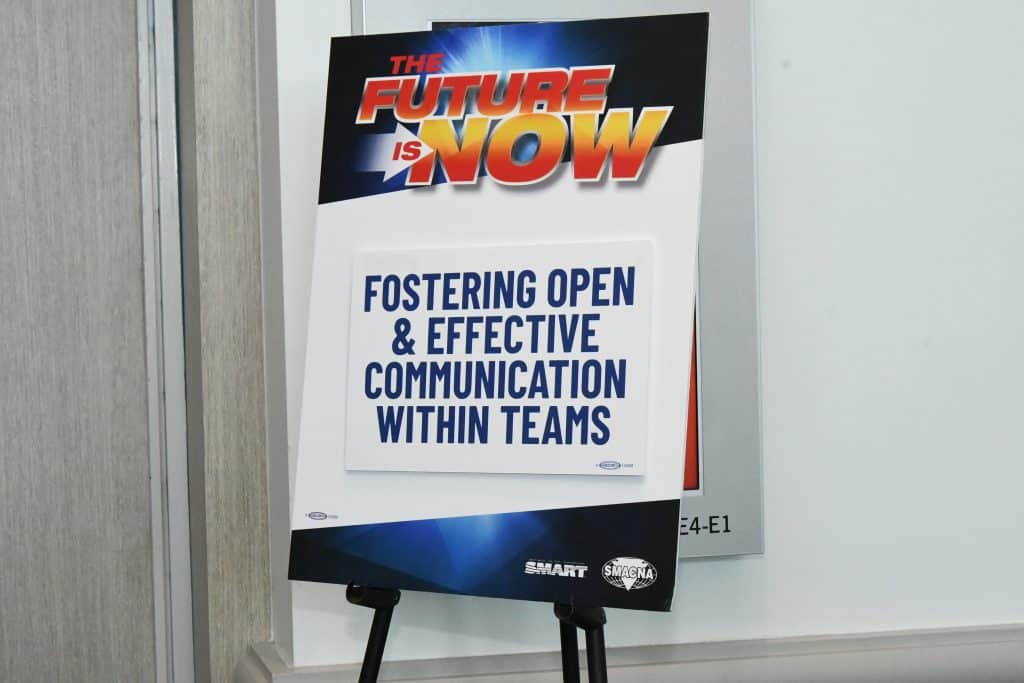
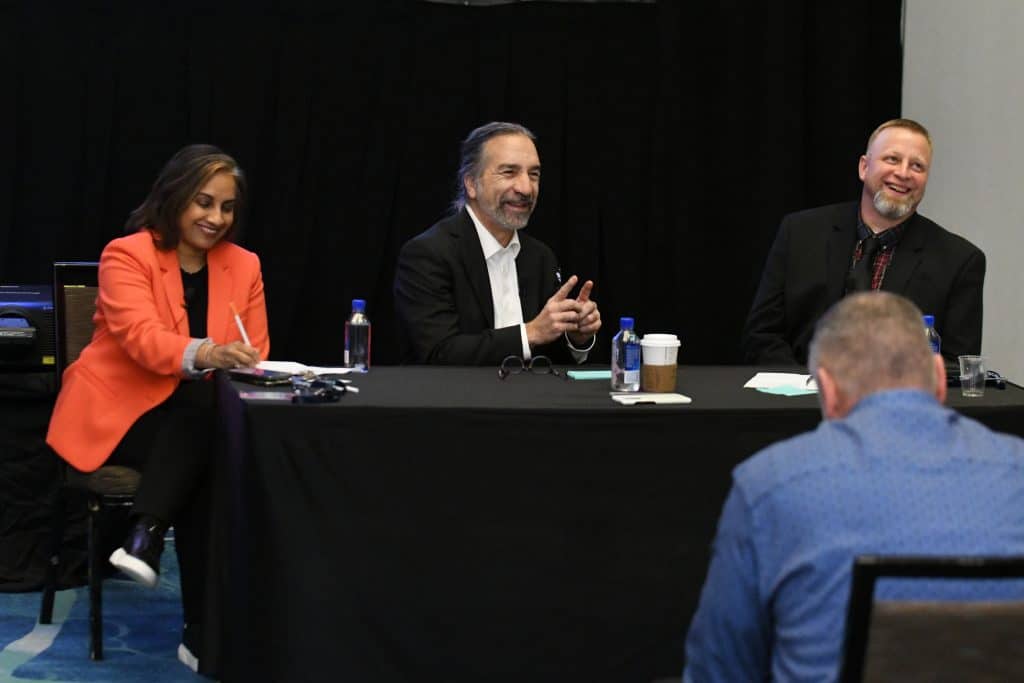
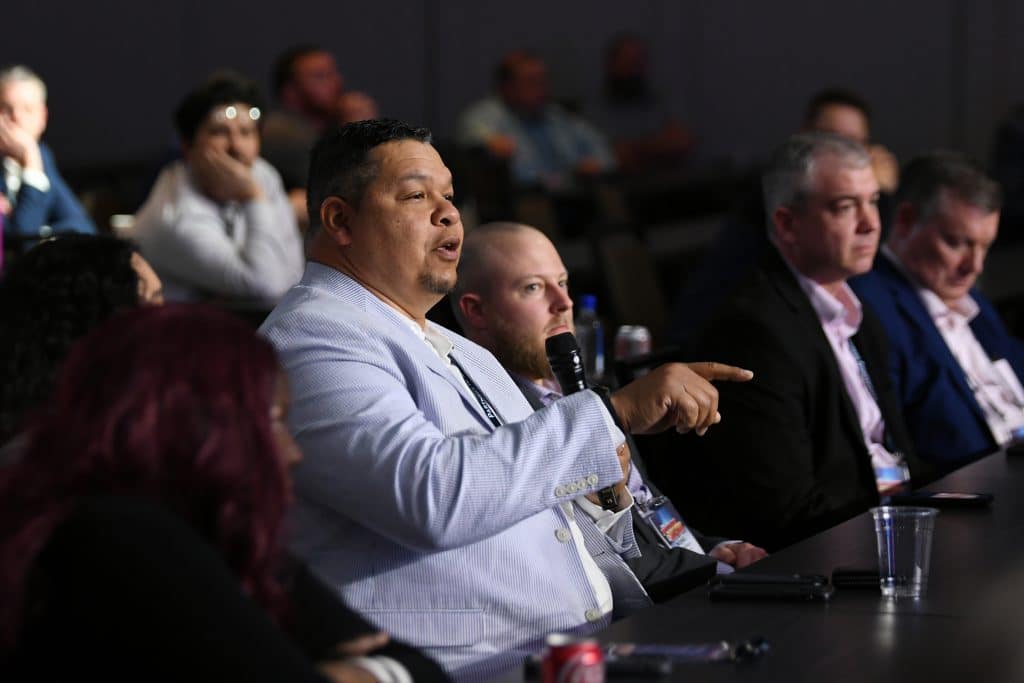
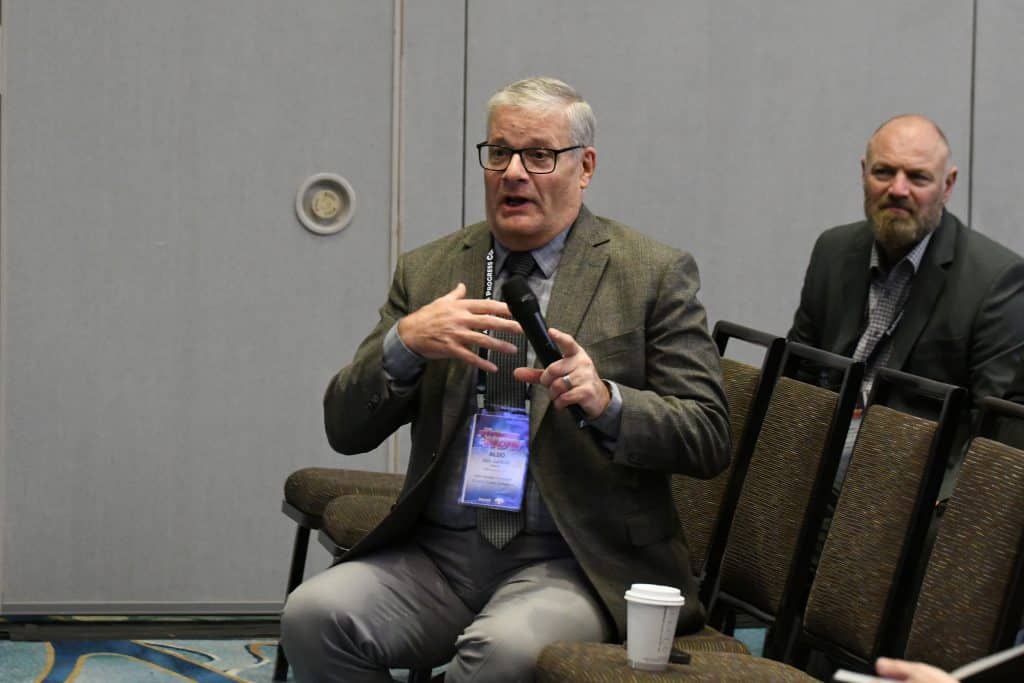
SMART Local 91 (Rock Island, Illinois) Business Manager Eric Meirhaeghe and Illowa Sheet Metal Contractors Association Chapter Executive Paul Elgatian joined Procore Vice President Duarte for a session on open and effective communication between teams, demonstrating how a relationship built on clear and intentional communication can create and secure work for SMART members and contractors. SMART International Organizer Will Scott, Dushaw Hockett and SMACNA Sacramento Valley Chapter’s Cheryl Sprague held a session titled “Collaboration for Progress,” diving deep into the characteristics of impactful partnership and underlining how collaborations with community groups and nonprofit organizations can boost our industry’s profile. And SMART Member Assistance Program Coordinator Chris Carlough co-presented a session titled “Beyond the Basic: A Renewed Approach to Mental Health and Wellness” with Cort Consulting’s Ben Cort, exploring the importance of addressing mental health in our industry – and what SMART has done so far in the arena.
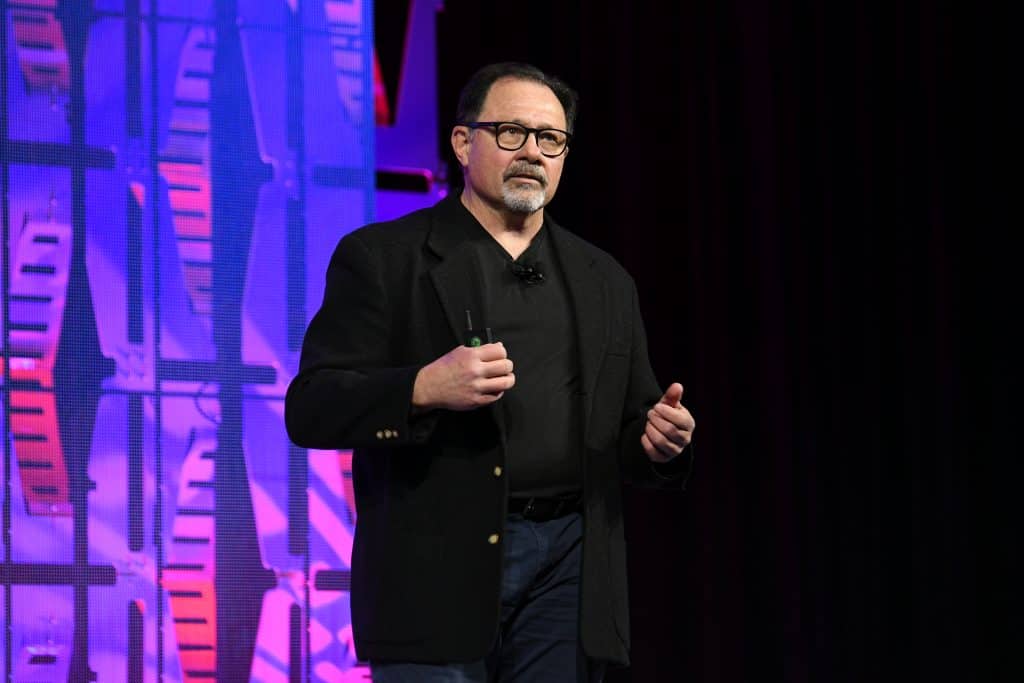
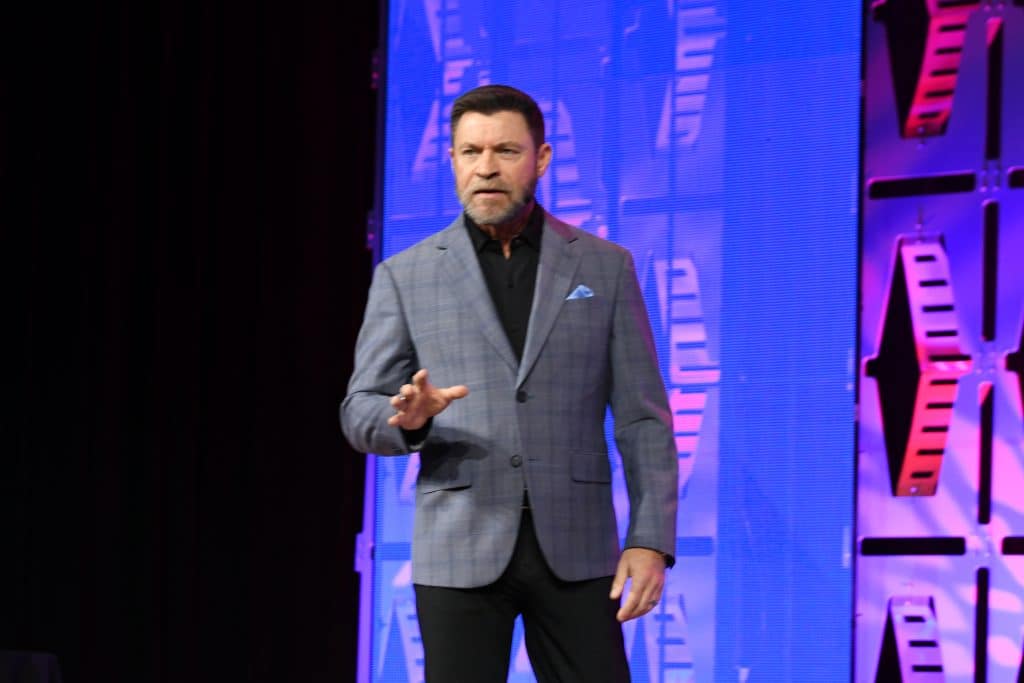
The two general sessions sent attendees on their way with a focus on transforming their local areas to achieve success. Steven English, a 22-year engineer and head of Steven English Coaching and Training, presented on “Building Leadership Culture: Inspiring and Developing Tomorrow’s Leaders” – helping SMART and SMACNA members explore strategies, principles and best practices for cultivating leadership at each level of our respective organizations. The next speaker, Dr. Michael F. Barnes, also addressed the importance of culture, particularly creating inclusive and positive workplaces in order to benefit workers’ mental health. Barnes addressed topics including hazing and bullying, open communication, mental health awareness and more, helping equip attendees with knowledge and tools to create workplaces that put members’ well-being first.
The conference concluded with a moving keynote speech from best-selling author Kevin Brown and closing reflections from General President Coleman and SMACNA President Duncan, who each noted the importance of collaborating not just in name but in action as we look to the future.
“Our collaborative efforts have demonstrated alignment between labor and management on most issues we face. We’re not divided by our differences; rather, we’re propelled by our common goals,” said Duncan.
“It has been inspiring to hear what the leaders in this room are doing to meet this moment,” Coleman concluded. “All of you – from the labor side, from the management side – are here today because you are committed to hard work. You came here to form relationships with each other, to identify the challenges and opportunities ahead, to brainstorm and come up with collective solutions that will strengthen and expand our unionized workforce.”