National Careers in Trades Week (NCIT), which takes place April 6-10, 2026, comes at an opportune time for people seeking skilled trades jobs: rewarding, essential careers with excellent pay and strong benefits, including healthcare and pensions. While United States workers are experiencing a stagnant job market with fewer job postings and positions that are harder to secure, well-paying skilled trade job openings look set to grow in the near future.

“There is a lot that has changed about our country over the years: technology, artificial intelligence, you name it. But one thing that won’t ever change is this simple fact: We need skilled trades workers to build our country,” said SMART General President Michael Coleman. “SMART members are doing that from coast to coast, whether building new hospitals, ensuring air quality in schools or making sure apartment and office buildings run as efficiently as possible. We’re excited to shine a light on the many career paths available to workers in our industry during National Careers in Trades Week — and well beyond.”

According to the U.S. Bureau of Labor Statistics (BLS), professions in the skilled trades will experience faster-than-average job growth between 2024 and 2034, with the Occupational Outlook predicting over 600,000 construction job openings each year and a current median annual wage of $58,000 (up from $55,000 in 2025). Median pay is even higher for full-time construction workers who are union members, who have a median wage that is $23,556 higher per year compared with full-time nonunion construction workers (based on BLS median weekly earnings data).

Additionally, apprenticeships in the skilled trades, like those at SMART local unions, provide the opportunity to earn while learning and enter the workforce without debt — an especially relevant piece of information for young people and their parents.

New research conducted by Wakefield Research on behalf of SMACNA shows that 75% of teens aged 13-18 would consider a trade job over going to college. The most compelling reasons for teens opting for a trade over college are higher pay, good benefits and paid apprenticeships, cited by 30% of teens. Other considerations that would sway a teen to the trades include opportunity to be promoted (24%), knowing a job is vital to the economy (21%) and the number of available trade positions growing faster than the average job (19%).

“Skilled professions offer rewarding career opportunities for all people, including young adults, women, veterans and anyone who is looking for a career change,” said SMACNA CEO Frank Wall. “The wages and job security that trade careers offer provide a faster means to home ownership, upward mobility and saving for retirement that other pathways don’t always ensure.”

In addition to the SMART, SMACNA and International Training Institute (ITI), who led the initiative in 2025, other trade groups have joined National Careers in Trades Week to build awareness for all they have to offer and how their disciplines leave lasting legacies on society. These include the Mechanical Contractors Association of America (MCAA), National Energy Management Institute (NEMI), the National Electrical Contractors Association (NECA) and the Sheet Metal Occupational Health Institute Trust (SMOHIT).

Throughout National Careers in Trades Week, cross-industry visibility efforts will showcase the benefits of choosing careers in the skilled trades among job seekers and the American public. The goal is to fill the hundreds of thousands of jobs that are essential to national and global economies and infrastructure projects, including, for example, the construction of chip plants, stadiums, healthcare facilities, factories and data centers.

SMART sheet metal members — whether they’re HVAC technicians, industrial welders, architectural sheet metal workers, testing, adjusting and balancing specialists, or in one of the many other professions the sheet metal trade encompasses — know well the many perks of a career in our union and our industry. As we continue to build North America, our union will work to make sure Americans and Canadians know about those opportunities as well.

That’s how we secure the future for our trade, our industry and our union.

The 2026 research was conducted by Wakefield Research on behalf of the SMACNA among 500 U.S. parents of kids currently enrolled in high school or college between January 13-21, 2026, using an email invitation and an online survey.

The future of the unionized sheet metal industry depends on the things that matter equally to both local unions and signatory employers: growing market share, steady work opportunities, investments in apprenticeship programs and more. That’s why, on February 17-18, 2026, the SMART-SMACNA Partners in Progress Conference brought together leaders from across the trade. For two days, union leaders and employers focused exclusively on bettering the industry — for SMART members and SMACNA contractors alike.

The 2026 Partners in Progress theme was “We Lead Together to Deliver Results.” That sentiment rang true throughout the conference, with keynote speakers and panels demonstrating both the success and the importance of partnering across North America to secure our future.

General President Coleman, SMACNA President Todd Hill reaffirm commitment to the industry

In 2025, the sheet metal industry faced a variety of challenges: federal policymaking that impacted megaprojects in the United States, tariffs that affected jobs on both sides of the United States-Canada border, a U.S. government shutdown and more. But thanks to SMART and SMACNA’s shared commitment to the UNIONIZED sheet metal industry, the two organizations are maintaining their focus on the progress we can make — together.

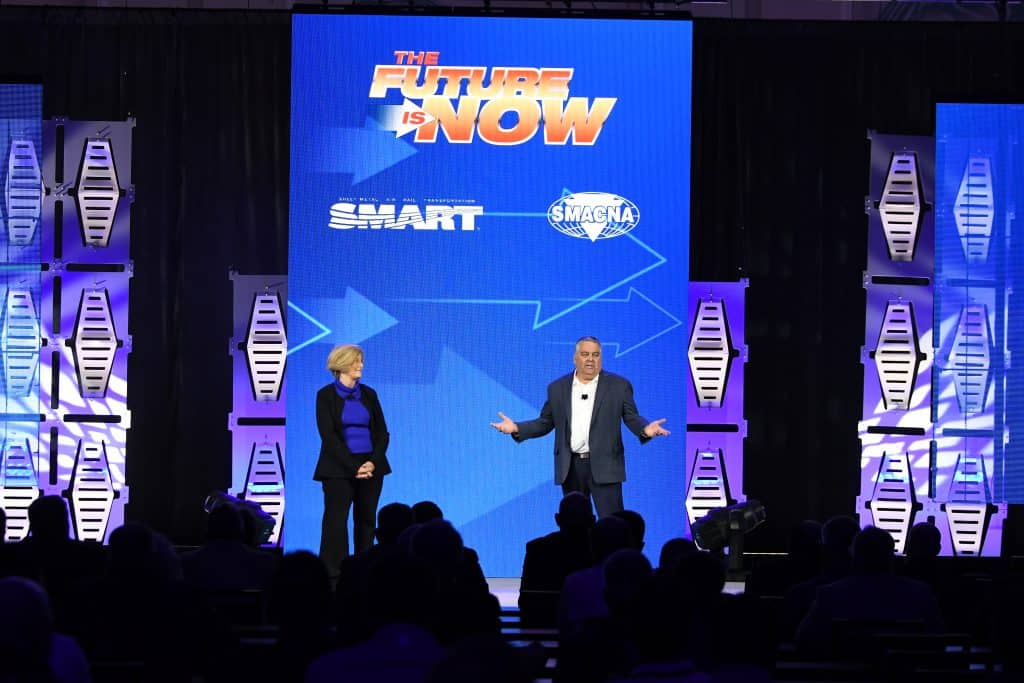
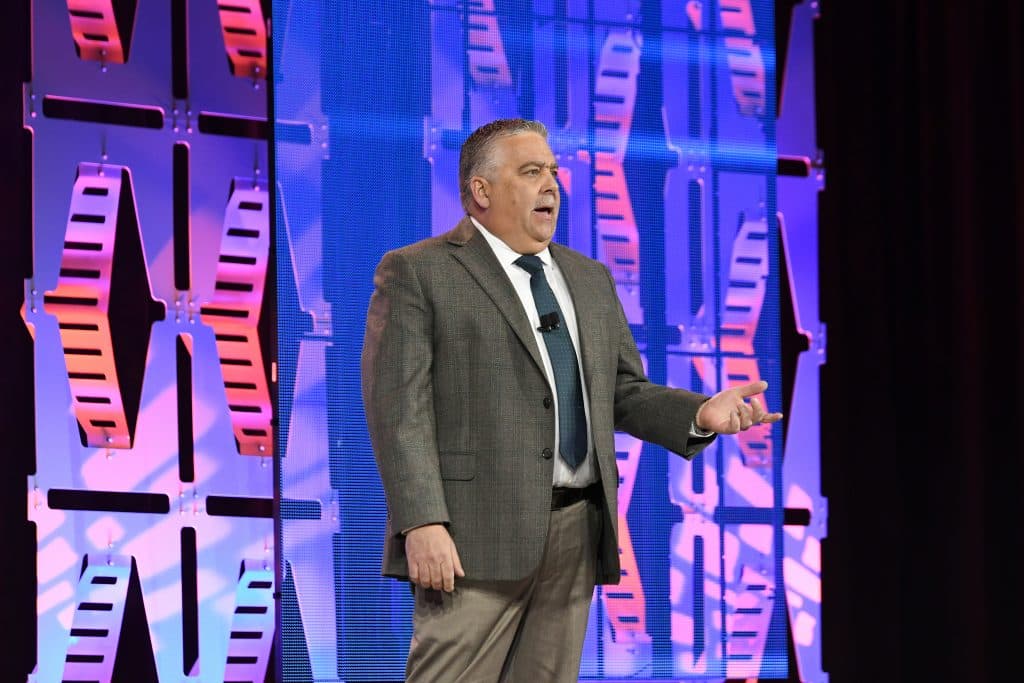
SMART General President Michael Coleman and SMACNA President Todd Hill, a former union sheet metal worker, demonstrated that in their opening comments. 

“Everyone in this room is here because we care about this industry and its future. No matter where we come from or who we represent — labor or management — we’re all committed to keeping this industry strong,” said General President Coleman. “Not just for ourselves, not just for today, but for the people who came before us and the ones who will come next.” 

In the past, Hill said, conflict between SMART and SMACNA made it difficult to achieve progress as a whole. That doesn’t benefit anyone, he noted — when the nonunion sector and bad-faith contractors grow stronger, we all lose. That’s why SMART and SMACNA worked together to change that relationship.

“Because of everyone’s efforts on both sides, we have continued to change our industry. The relationship between labor and management has never been stronger,” Hill said.

By working together, the two leaders said, SMART and SMACNA have put the unionized sheet metal industry on the front foot: staffing megaprojects, maintaining and expanding core work market share, and developing new jobsite leadership training initiatives. But, General President Coleman explained, we cannot rest. Hill and Coleman urged attendees to take advantage of the conference — both the networking opportunities and the breakout sessions — to fortify our trade’s foundation moving forward.

“We’ve accomplished a lot. As individual people, as local unions, as contractors, and together as SMART and SMACNA. But we also know that where we are today isn’t the finish line. We owe it to ourselves, and more importantly, we owe it to the next generation. We have to keep building on what we’ve started to secure the future of this industry,” Coleman said, adding:  

“What we have here is real. It’s worth protecting. And as long as we keep working together, I’m personally confident this industry’s best days are still ahead.” 

SMART, SMACNA leaders discuss the state of the industry during leadership panel

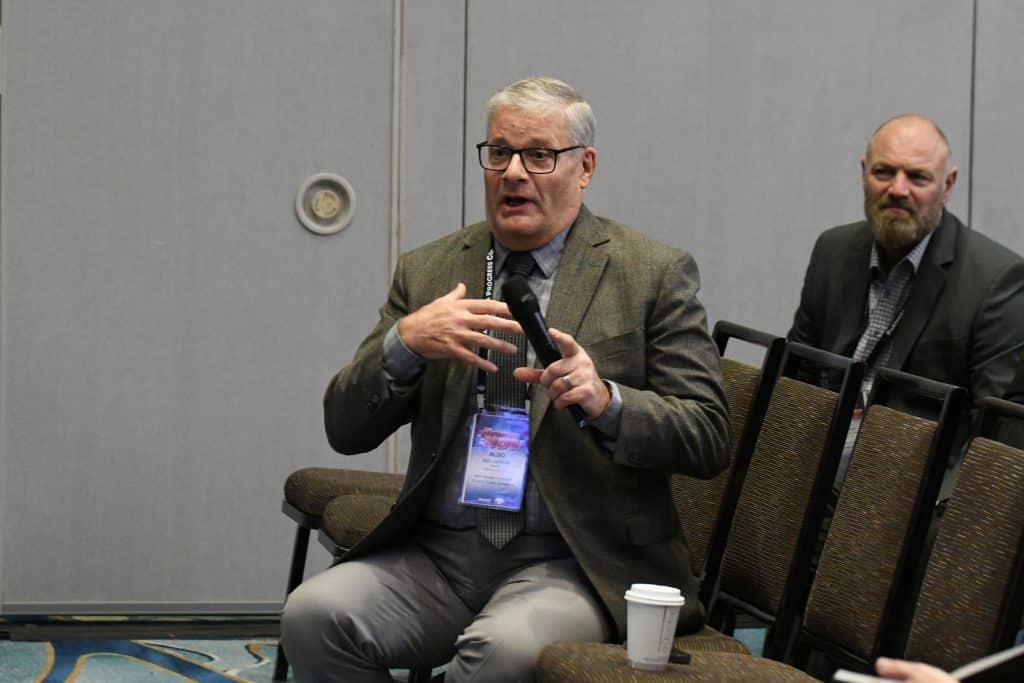
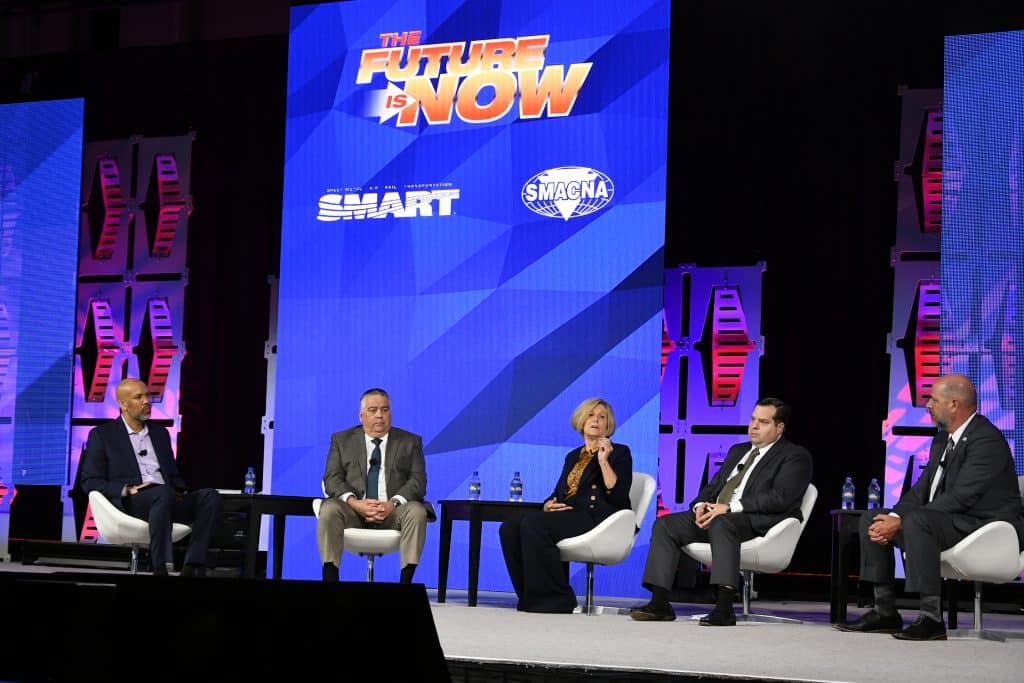
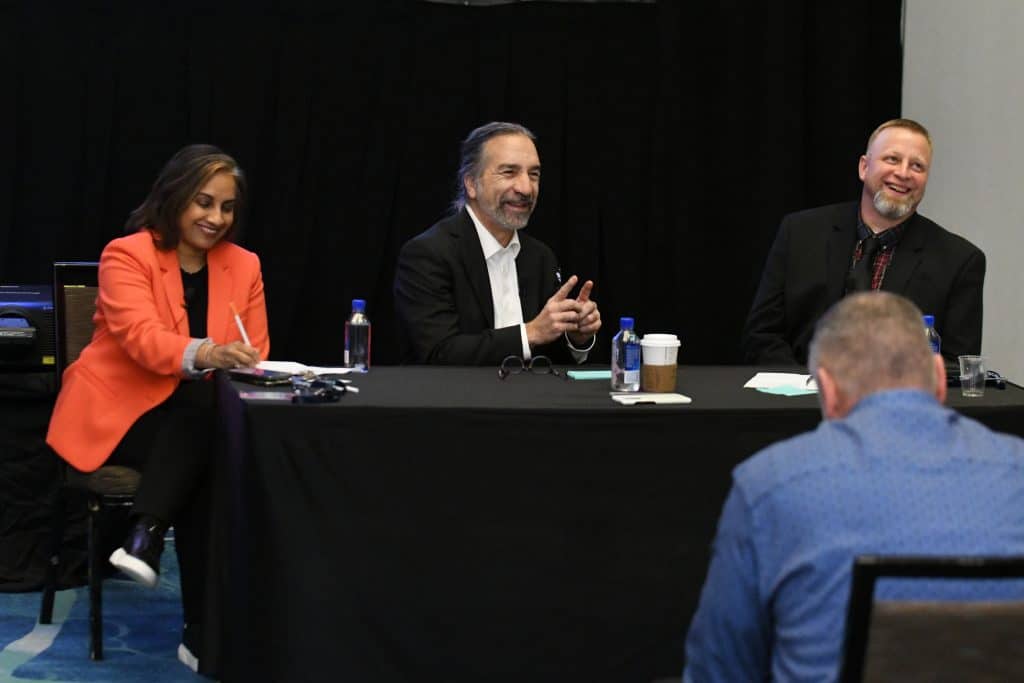
General President Coleman, SMART General Secretary-Treasurer John Daniel, SMACNA President Hill, Immediate Past SMACNA President Tom Martin and SMACNA CEO Frank Wall discussed the state of the industry and took audience questions during a Partners in Progress leadership panel. Throughout the panel, one theme unsurprisingly took precedence: working together to solve problems and help locals continue to grow.

“It’s important to remember that not one of us can do it alone,” Hill said. “We can work together, and that’s true leadership.”

Having a strong relationship built on trust, communication and collaboration empowers local unions and contractors not only when it comes to issues like negotiations, but also when working proactively to win future gains for both employers and SMART members. That’s been evident in the two organizations’ work on megaprojects, retention and beyond. By planning together in lockstep for megaprojects years in advance, for example, locals and contractors met the challenge presented by workforce demands, megaproject management and foreperson training, to name a few.     

“When we’re communicating well, we’re up to speed on trends. We know where future big projects might land, and that’s imperative,” said Martin.

Partnership also matters as SMART and SMACNA try to grow — geographically and membership-wise, but also in terms of new markets.

“We’ve got an obligation, a responsibility, to identify those markets and not just lean into them – we’ve got to jump into them,” said SMART General Secretary-Treasurer John Daniel. “We’ve got to find a way to work together to grow into those sectors.”

During the panel discussion and when answering audience questions, industry leaders covered a lot of ground. But the bottom line was put succinctly by General President Coleman.

“When there’s a good labor-management relationship in an area, their market share is high,” he concluded. “That’s a fact.”

Sheet metal leaders prepare for the future in breakout sessions

At every conference, Partners in Progress breakout sessions put the power of effective labor-management relationships on display. In 2026, attendees got the chance to take a variety of lessons home from fellow union leaders and contractors — helping secure the future for sheet metal workers across North America.

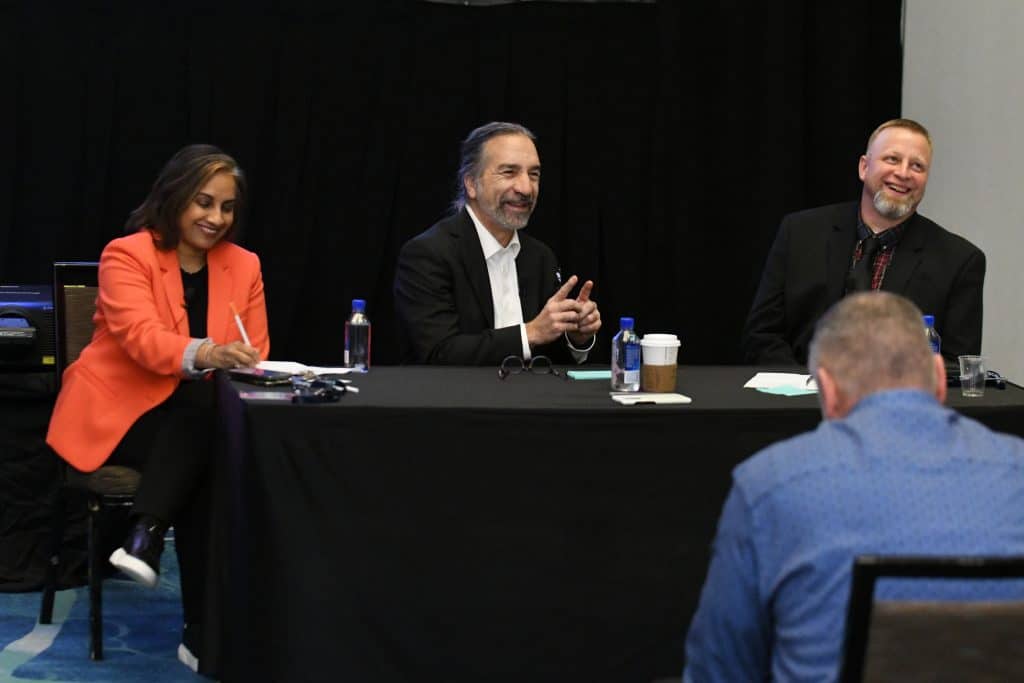
In the “Leveraging Technology and Partnerships for Industry Advancement” session, SMART Local 38 (Brewster, New York) Business Manager Michael Colombo joined Mark Treglio and Stacy Yuden, president and CEO, respectively, of the labor-aligned tech and communications firm NEP Services, as well as SMACNA Southeast New York Executive Vice President Alan Seidman. Working together, Local 38, SMACNA SENY and NEP Services used data mining and information technology for strategic political engagement, helping pass pro-worker state legislation in Connecticut in 2025.

Fire life safety is a crucial priority for local unions across SMART — both for the safety of communities and first responders, and because of the work it creates for union sheet metal workers. In “Getting Fire Life Safety Regulations Done — A Practical Playbook,” Local 49 (New Mexico) Business Manager Isaiah Zemke, Tony Kocurek of Energy Balance and Integration, LLC, and Ronda Gilliland-Lopez of SMACNA New Mexico discussed how they worked together to win fire life safety standards in New Mexico.

“Knowing that this was an underserved or under recognized part of a building system to keep occupants safe and building owners safe, we had a lot of support from the fire fighters — union members, boots on the ground,” Zemke said, adding that the partnership with SMACNA helped overcome potential obstacles in the state legislature.

“The work doesn’t end once the law is passed,” he advised attendees. “You’re not done yet.”

Megaprojects have presented local unions and signatory contractors with extraordinary challenges and opportunities over recent years. SMART Director of Megaprojects Joseph Powell, Local 4 (Memphis, Tennessee) Business Manager Mike Thorne, representatives from Southland and Ventcon, and moderator Clark Ellis of Continuum Advisory Group engaged in a panel focused on the project management challenges unique to megaprojects. Collaboration, resource-sharing, consistent communication and coordination are key to helping local unions and signatory contractors meet the workforce challenges that megaprojects inevitably bring.

“At the IA level, we set up meetings with SMACNA, had routine meetings on a monthly basis — really trying to figure out what resources we could provide to locals,” said Powell.

In Labor-Management in Action, Local 280 (Vancouver) Business Manager Steve Davis and SMACNA-British Columbia Executive Director Jeremy Hallman discussed how fostering a true labour-management partnership has benefited the industry in the province, leading to growth for the local union, increased market share and efforts to find new training opportunities for members to help them gain more certifications. In a panel on clean rooms, meanwhile, SMART Canada International Rep. Scott McQueen joined SMART Director of Business-Management Relations Tom Fischbach and Kocurek of Energy Balance and Integration, discussing the massive (and growing) clean room market. In Ontario, McQueen reported, one megaproject alone required 1.5 million work hours on clean rooms.

Other breakouts focused on developing jobsite leaders, reclaiming residential market share, artificial intelligence on the jobsite and in the classroom, and more.

Keynote speakers energize attendees for the work ahead

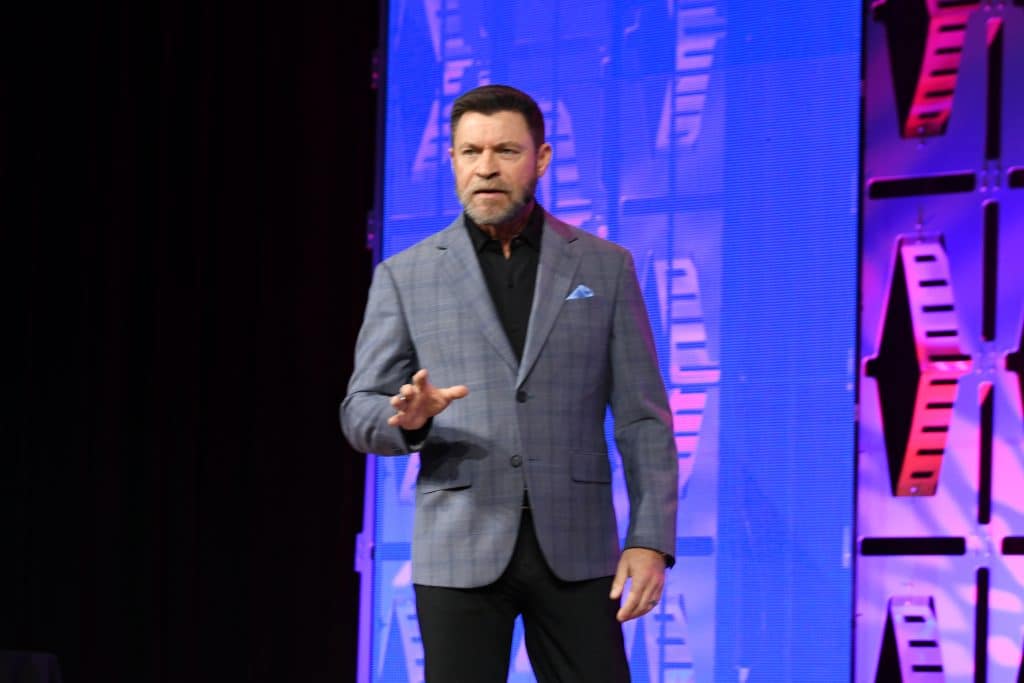
The conference’s opening keynote speaker, Melissa Stockwell, graduated from the University of Colorado in 2002 and was commissioned as a Second Lieutenant in the United States Army. In March 2004, she deployed to Baghdad, Iraq. Just three weeks later, a blast from a roadside bomb struck her Humvee, causing the loss of her left leg above the knee.

Rather than let tragedy slow her down, Stockwell made history. In April 2008, she became the first Iraqi War veteran to qualify for the Paralympics. She competed in three swimming events and was selected by her fellow Team USA athletes to carry the American flag in the closing ceremonies. After Beijing, Stockwell turned to the sport of Paratriathlon and is now a three-time World Champion. 

“They took my leg, but they didn’t take my life,” she told Partners in Progress. “My life would go on. The only difference was, I would wake up, put my prosthetic leg on, and go about my day.”

Perseverance, resilience, refusing to give up — local union leaders and signatory contractors need to practice such traits every day. Stockwell presented to conference attendees on “The Power of Choice,” relating her story to the challenges and accomplishments SMART and SMACNA members face in the sheet metal industry.

“You are a team … as you’re learning this week, together, there’s even greater results,” she said, adding: “The next time something doesn’t go your way … how are all of you going to join me in exercising your daily power of choice?”

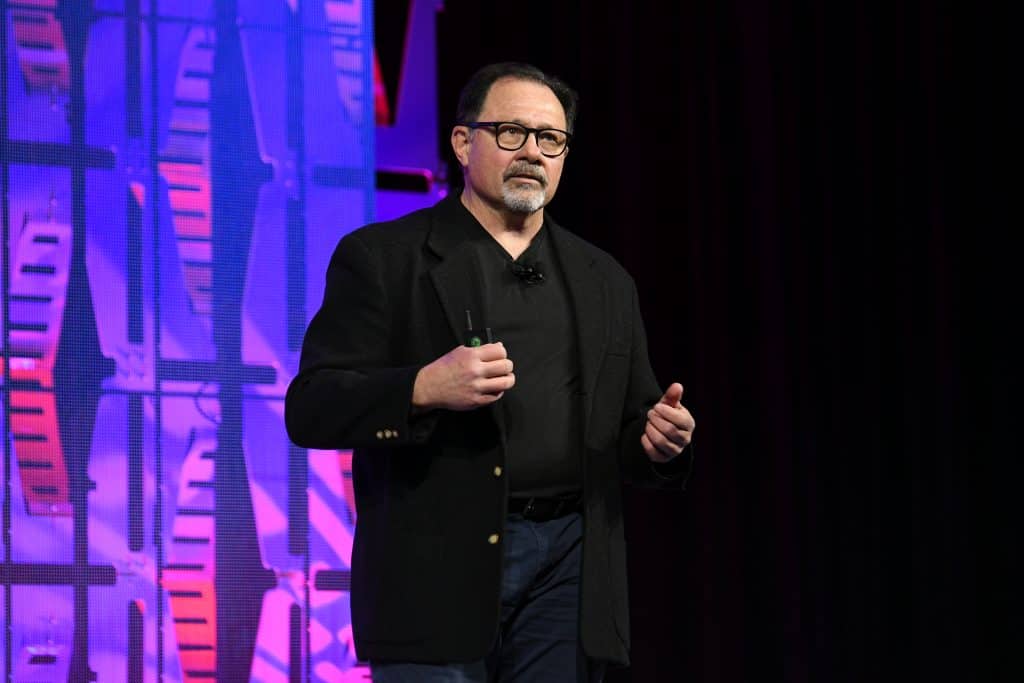
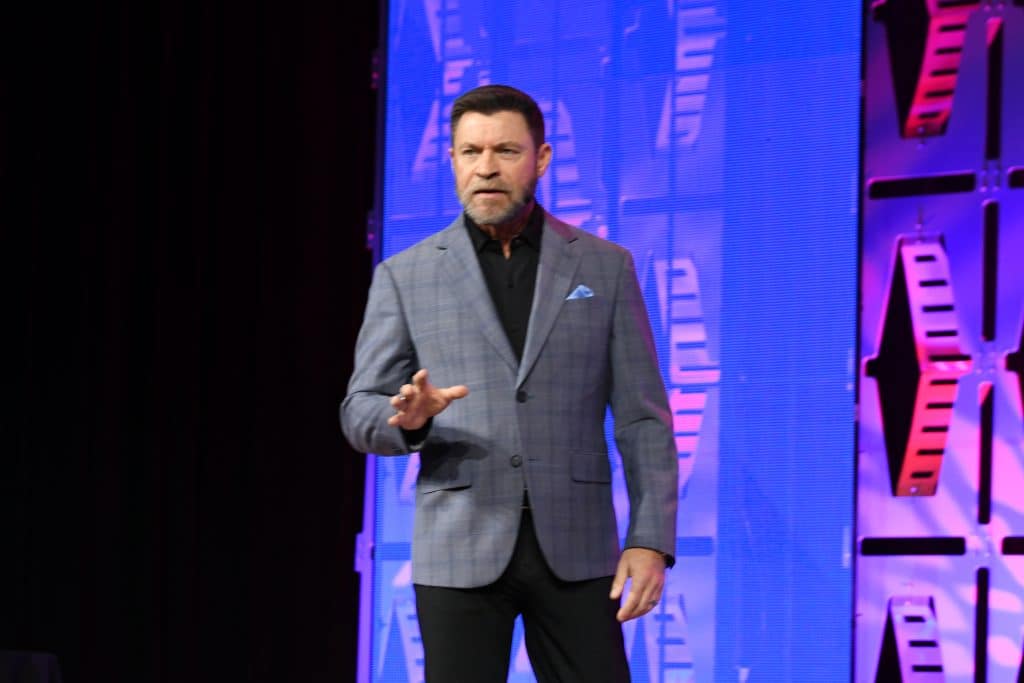
Closing keynote speaker Mike Massimino is a former NASA astronaut, a New York Times bestselling author and a Columbia University professor. A spacewalker on the final two Hubble Space Telescope servicing missions, Massimino and his crews traveled faster and higher than any other astronauts in the 21st century. 

“It was designed to be worked on by astronauts. But there’s a lot of sheet metal on this thing,” he said of the Hubble.

For his first mission to space, Massimino recalled walking up to the spaceship as it made extremely loud, guttural noises, and thinking to himself: “Maybe this wasn’t a good idea.”

That’s when Massimino relied on what he called the three trusts: Trust your tools. Trust your training. Trust your team. That gave him the courage to get inside the spaceship for the first time and, looking at planet Earth from space, experience the most beautiful sight he had ever seen.

On his second mission to Hubble, Massimino and his team were taking on an extraordinarily complicated objective: repairing the Space Telescope Imaging Spectrograph in space. Instead of simply removing and replacing a component, Massimino would be fixing a piece of equipment that was painstakingly put together in a clean room. He needed to access a panel that had 111 small crews holding it in place, each with a washer; more than 100 new tools were invented to complete the task.

Massimino had a backup plan for every single part of the mission — besides a simple handrail that needed to be moved aside. When he looked to remove the final screw holding the handrail in place, it was deformed into a gnarled piece of metal that could not be unscrewed. The mission was in jeopardy.

That’s where trusting his team came into play. Thanks to a stroke of inspiration from an engineer back on the ground in Mission Control, Massimino went for brute force: ripping the rail off the telescope by hand. It worked, and that imparted a valuable lesson.

“We can’t always solve problems on our own — remember there’s a control center for you,” he told sheet metal leaders. “There’s people on your team that can help. And maybe more important, you can be that Mission Control for others.”

Massimino closed with an image of a star field, one with 10 million stars. He called it “the big picture.”

“What you’re doing is not easy, and it’s met with challenges, changes,” he told Partners in Progress. “But when you hit those bumps in the road, I would encourage you to persevere, think about the big picture and keep doing what you’re doing.”

With that, the conference came to a close.

Residential HVAC is one of the fastest-growing opportunities in the sheet metal industry. That’s why, on October 15, 2025, the SMART-SMACNA Best Practices Market Expansion Task Force cohosted a webinar titled “Building Residential Success: Best Practices in HVAC Service & Replacement.”

The webinar shared proven best practices with attendees, directly from labor and management partners who have experienced success in the residential sector.

Moderated by Gary Myers, vice president of marketing and business development at Intech Mechanical, the panel also featured Matt Gugala, president/business manager of SMART Local 265 (Carol Stream, Ill.), Tom Mascari, president of Mendel Plumbing & Heating, Matthew Smith, president of Smith Heating & Air Conditioning, Inc., Alex Tiechner, apprenticeship training administrator at the Local 104 Northern California Training Center, and Darrell Garrison, field representative/HVACR service & TAB specialist, International Training Institute.

Alongside other topics, the webinar gave participants the chance to explore how to evaluate and enter the residential HVAC market, workforce preparation and collaboration strategies, and best practices for service, maintenance and customer relationships.

View the recorded webinar here.

SMART partners with SMACNA, ITI to highlight skilled trades as gateway to prosperous, in-demand careers

To raise awareness for the abundance and evolution of trade careers, building trades unions and skilled trade associations, including SMART, the Sheet Metal and Air Conditioning Contractors’ National Association (SMACNA) and International Training Institute (ITI), have come together to launch the first national Careers In Trades Week, April 7-11, 2025. Activities throughout the week will increase awareness about the benefits of choosing careers in the skilled trades among job seekers and the American public, with the goal of filling thousands of positions that are essential to the country’s economic growth.

“Union apprenticeships aren’t just a career path — they’re a gateway to a stable, rewarding future,” said SMART General President Michael Coleman. “By investing in the next generation of trade workers, we’re building a skilled workforce that will power our industries and communities for decades to come.”

“Skilled professions play critical roles in building the world in which we live, work, and play — vital to the construction of chip plants, stadiums, healthcare facilities, factories, and data centers. It’s time that we provide a fresh look at how trade careers have evolved technologically and financially,” added SMACNA CEO Aaron Hilger. “With approximately 35,000 sheet metal workers due to retire, the time to raise awareness of the opportunities and benefits among young workers is now.”

Stellar pay. In-demand work. No college debt.

Gen Z has been called the “toolbelt generation” due to their growing interest in joining the trades. It’s understandable considering the trades pay well, eliminate college debt and meaningfully contribute to society. According to a recent survey that was published in Higher Ed Dive, about 9 in 10 Gen Z graduates said learning a skilled trade can be a better route to economic security than college (Thumbtack survey).

It’s worth it. BLS occupational outlook predicts about 663,000 construction job openings each year. The same statistics showed a median annual wage of $55,000 in 2023, higher than that of all occupations. Furthermore, the Department of Labor’s Registered Apprenticeship Program provides training and education for hundreds of thousands of workers in fields ranging from construction to manufacturing to public administration. Within the sheet metal industry, training and working with union contractors can offer even greater rewards, with apprentices earning up to $87,500 in their first year and as much as $120,000 to $200,000 in wages and benefits within four to five years of completing an apprenticeship program.

Plus: High school students opting for a technical education career track can avoid college debt, which currently averages $34,000 for a four-year bachelor’s degree. Instead, students can get paid for apprenticeships and enter the workforce with money in the bank and no college debt. 

“A 23-year-old on track to make six figures this year says he’s living proof that college isn’t necessary”

Read Fortune‘s profile of Local 265 sheet metal worker Tyler Zitzka

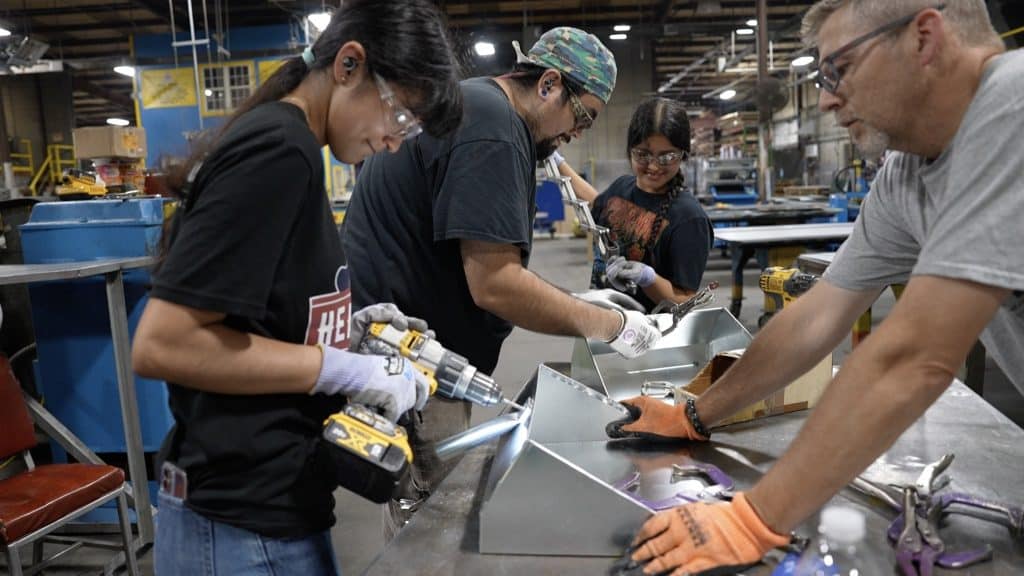
The work is rewarding, too. Working alongside other trades, union sheet metal workers are responsible for constructing, maintaining and repairing homes, schools, hospitals, buildings and other vital structures we use every day, ensuring the quality of the air we breathe. The skilled trade professions work together to construct the buildings that are essential to fueling the economy, including chip factories, data centers, state-of-the-art healthcare facilities and nuclear power plants.
Interested in joining the unionized sheet metal trade? Find a training center near you.

Parents see the difference: Backed by strong bipartisan support, career and technical education programs are flourishing, and careers in the trades are projected to experience faster-than-average job growth from 2023 to 2033. They also offer earning potential that exceeds the median wage across all occupations, according to the BLS.

These reasons — along with the job market, economy, and college debt — may be why 89% of parents with children currently enrolled in high school or college think it’s smart for young adults to consider pursuing a career in the trades, according to new research conducted independently by Wakefield Research. The same research revealed that 48% of kids have mentioned wanting to go into a trade, and 86% of those parents would be open to or encourage it.
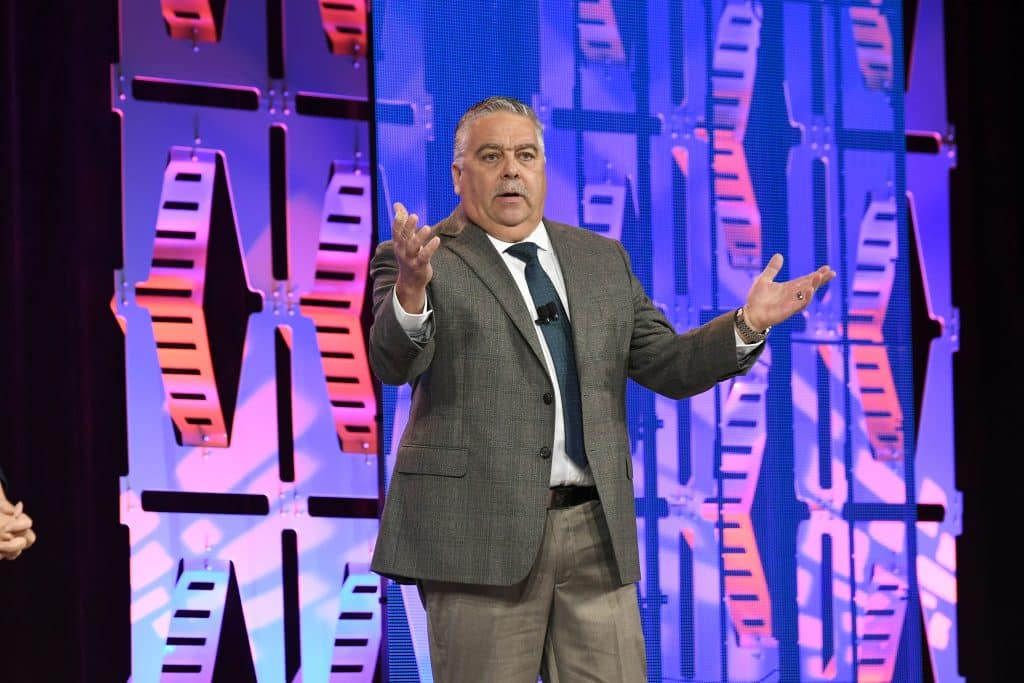
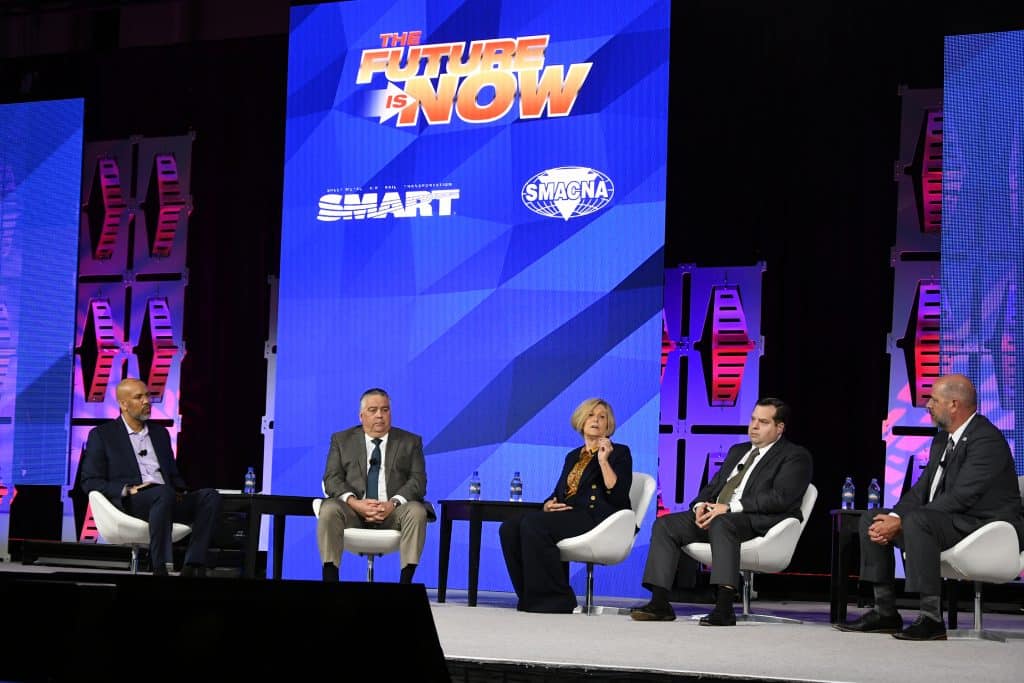
The Partners in Progress 2024 conference brought sheet metal and signatory management leaders to Orlando, Florida, from February 27–28. With a conference theme of “The Future Is Now,” labor and management representatives came together to focus on seizing this moment of opportunity for SMART sheet metal workers and our union contractors.

SMART General President Coleman speaks to attendees at Partners in Progress 2024.

Day one sets the stage

The conference kicked off with a joint presidential address by SMART General President Michael Coleman and SMACNA President Carol Duncan, who — together — described the steps our organizations have taken to increase work, recruiting and growth prospects across North America. Duncan provided an overview of the jobs being created by a surge of megaprojects in both the United States and Canada, pointing out that only by working together can local unions and signatory contractors make sure those projects are completed by high-road union employers and workers. Coleman agreed, noting the importance of collaborating to create cultures that are inclusive, welcoming and that help the unionized sheet metal workforce grow.

“People are coming to us for a better life,” he said. “But we must make sure people can find it. If our doors are closed, I think both Carol and I will feel that we failed.”

Coleman outlined many of the collaborative successes SMART and SMACNA have already achieved: the formation of the SMART, SMACNA and International Training Institute (ITI) Belonging and Excellence for All (BE4ALL) initiative, which has distributed menstrual kits to JATCs organization- wide, conducted bias and belonging trainings and recently published its groundbreaking rapid response protocol; legislation and union-friendly elected officials that SMART and SMACNA lobbied and mobilized for collectively; and much more. He also discussed how vital it is for local unions and contractors to embrace the I Got Your Back Campaign, promoting a mentorship model that helps ALL workers succeed in our industry.

“We often hear — and say — that we want to leave things better than when we arrived. Now is the time to do just that,” Coleman said. “Yes, it will take our best efforts. But our entire industry and everyone who puts their trust in us deserve nothing less.”

Following a keynote address by award-winning speaker Victoria Labalme, who garnered a standing ovation from attendees for her speech on “risk-forward” leadership, SMART and SMACNA leaders got to work in breakouts. Sessions included presentations on maximizing indoor air quality work opportunities by National Energy Management Institute (NEMI) Administrator Lisa Davis; a panel featuring Coleman, Duncan and Procore Vice President Rubiena Duarte on building and sustaining healthy organizational cultures in the union sheet metal industry; a training on utilizing the rapid response protocol by SMART House Counsel Luke Rebecchi and Felhaber Larson’s Dan Kelly; and an overview of the importance of building local mentoring programs by NEMI’s Davis and Tammy Meyen of the ITI.

Day one concluded with an afternoon general session. Dushaw Hockett, a key partner in the BE4ALL initiative, presented on the importance of strong, local labor-management partnerships that are focused on leveraging strengths, networks, community partners and more to help workers and contractors alike. Clark Ellis of Continuum Advisory Group addressed the future of the construction industry, overviewing trends, challenges and opportunities by telling the story of what one worker’s career could look like in the near future — if the union sheet metal industry takes steps to recruit and retain ALL workers, including women, people of color, the formerly incarcerated and beyond. And finally, Coleman, Duncan, SMART General Secretary-Treasurer Joseph Powell and SMACNA CEO Aaron Hilger conducted a reside chat with attendees, fostering an open dialogue on how labor and management can work together to take advantage of this moment. Leaders talked about programs that have been implemented to help solve workforce challenges, from BE4ALL and mentoring initiatives to the SMART Incentive Program, and spoke frankly about the steps we need to take to strengthen our industry hold.

Day two: Attendees depart with purpose

Union sheet metal industry leaders picked up where they left off on day two of Partners in Progress, beginning with a morning full of breakout sessions intended to help local unions and contractors secure work and expand market share.

SMART Local 91 (Rock Island, Illinois) Business Manager Eric Meirhaeghe and Illowa Sheet Metal Contractors Association Chapter Executive Paul Elgatian joined Procore Vice President Duarte for a session on open and effective communication between teams, demonstrating how a relationship built on clear and intentional communication can create and secure work for SMART members and contractors. SMART International Organizer Will Scott, Dushaw Hockett and SMACNA Sacramento Valley Chapter’s Cheryl Sprague held a session titled “Collaboration for Progress,” diving deep into the characteristics of impactful partnership and underlining how collaborations with community groups and nonprofit organizations can boost our industry’s profile. And SMART Member Assistance Program Coordinator Chris Carlough co-presented a session titled “Beyond the Basic: A Renewed Approach to Mental Health and Wellness” with Cort Consulting’s Ben Cort, exploring the importance of addressing mental health in our industry — and what SMART has done so far in the arena.

The two general sessions sent attendees on their way with a focus on transforming their local areas to achieve success. Steven English, a 22-year engineer and head of Steven English Coaching and Training, presented on “Building Leadership Culture: Inspiring and Developing Tomorrow’s Leaders” — helping SMART and SMACNA members explore strategies, principles and best practices for cultivating leadership at each level of our respective organizations. The next speaker, Dr. Michael F. Barnes, also spoke to the significance of culture, particularly creating inclusive and positive workplaces in order to benefit workers’ mental health. Barnes overviewed topics including hazing and bullying, open communication, mental health awareness and more, helping equip attendees with knowledge and tools to create workplaces that put members’ well-being first.

The conference concluded with a moving keynote speech from best-selling author Kevin Brown and closing reflections from General President Coleman and SMACNA President Duncan, who each noted the importance of collaborating not just in name but in action as we look to the future.

“Our collaborative efforts have demonstrated alignment between labor and management on most issues we face. We’re not divided by our differences; rather, we’re propelled by our common goals,” said Duncan.

“It has been inspiring to hear what the leaders in this room are doing to meet this moment,” Coleman concluded. “All of you — from the labor side, from the management side — are here today because you are committed to hard work. You came here to form relationships with each other, to identify the challenges and opportunities ahead, to brainstorm and come up with collective solutions that will strengthen and expand our unionized workforce.”

The Partners in Progress 2024 conference brought sheet metal and signatory management leaders to Orlando, Florida, from February 27-28. With a conference theme of “The Future Is Now,” labor and management representatives came together to focus on seizing this moment of opportunity for SMART sheet metal workers and our union contractors.

Day one sets the stage

The conference kicked off with a joint presidential address by SMART General President Michael Coleman and SMACNA President Carol Duncan, who – together – described the steps our organizations have taken to increase work, recruiting and growth prospects across North America.

Duncan provided an overview of the jobs being created by a surge of megaprojects in both the United States and Canada, pointing out that only by working together can local unions and signatory contractors make sure those projects are completed by high-road union employers and workers. Coleman agreed, noting the importance of collaborating to create cultures that are inclusive, welcoming and that help the unionized sheet metal workforce grow.

“People are coming to us for a better life,” he said. “But we must make sure people can find it. If our doors are closed, I think both Carol and I will feel that we failed.”

Coleman outlined many of the collaborative successes SMART and SMACNA have already achieved: the formation of the SMART, SMACNA and International Training Institute (ITI) Belonging and Excellence for All (BE4ALL) initiative, which has distributed menstrual kits to JATCs organization-wide, conducted bias and belonging trainings and recently published its groundbreaking rapid response protocol; legislation and union-friendly elected officials that SMART and SMACNA lobbied and mobilized for collectively; and much more. He also discussed how vital it is for local unions and contractors to embrace the I Got Your Back Campaign, promoting a mentorship model that helps ALL workers succeed in our industry.

“We often hear – and say – that we want to leave things better than when we arrived. Now is the time to do just that,” Coleman said. “Yes, it will take our best efforts. But our entire industry and everyone who puts their trust in us deserve nothing less.”

Following a keynote address by award-winning speaker Victoria Labalme, who garnered a standing ovation from attendees for her session on “risk-forward” leadership, SMART and SMACNA leaders got to work in breakouts. Sessions included presentations on maximizing indoor air quality work opportunities by NEMI Administrator Lisa Davis; a panel featuring Coleman, Duncan and Procore Vice President Rubiena Duarte on building and sustaining healthy organizational cultures in the union sheet metal industry; a training on utilizing the rapid response protocol by SMART House Counsel Luke Rebecchi and Felhaber Larson’s Dan Kelly; and an overview of the importance of building local mentoring programs by NEMI’s Davis and Tammy Meyen of the ITI.

Day one concluded with an afternoon general session. Dushaw Hockett, a key partner in the BE4ALL initiative, presented on the importance of strong, local labor-management partnerships that are focused on leveraging strengths, networks, community partners and more to create opportunities for workers and contractors alike. Clark Ellis of Continuum Advisory Group addressed the future of the construction industry, overviewing trends, challenges and opportunities by telling the story of what one worker’s career could look like in the near future – if the union sheet metal industry takes steps to recruit and retain ALL workers, including women, people of color, the formerly incarcerated and beyond.

And finally, Coleman, Duncan, SMART General Secretary-Treasurer Joseph Powell and SMACNA CEO Aaron Hilger conducted a fireside chat with attendees, fostering an open dialogue on how labor and management can work together to take advantage of this moment. Leaders talked about programs that have been implemented to help solve workforce challenges, from BE4ALL and mentoring initiatives to the SMART Incentive Program, and spoke frankly about the steps we need to take to strengthen our industry hold.

Day two: Attendees depart with purpose

Union sheet metal industry leaders picked up where they left off on day two of Partners in Progress, beginning with a morning full of breakout sessions intended to help local unions and contractors secure work and expand market share.

SMART Local 91 (Rock Island, Illinois) Business Manager Eric Meirhaeghe and Illowa Sheet Metal Contractors Association Chapter Executive Paul Elgatian joined Procore Vice President Duarte for a session on open and effective communication between teams, demonstrating how a relationship built on clear and intentional communication can create and secure work for SMART members and contractors. SMART International Organizer Will Scott, Dushaw Hockett and SMACNA Sacramento Valley Chapter’s Cheryl Sprague held a session titled “Collaboration for Progress,” diving deep into the characteristics of impactful partnership and underlining how collaborations with community groups and nonprofit organizations can boost our industry’s profile. And SMART Member Assistance Program Coordinator Chris Carlough co-presented a session titled “Beyond the Basic: A Renewed Approach to Mental Health and Wellness” with Cort Consulting’s Ben Cort, exploring the importance of addressing mental health in our industry – and what SMART has done so far in the arena.

The two general sessions sent attendees on their way with a focus on transforming their local areas to achieve success. Steven English, a 22-year engineer and head of Steven English Coaching and Training, presented on “Building Leadership Culture: Inspiring and Developing Tomorrow’s Leaders” – helping SMART and SMACNA members explore strategies, principles and best practices for cultivating leadership at each level of our respective organizations. The next speaker, Dr. Michael F. Barnes, also addressed the importance of culture, particularly creating inclusive and positive workplaces in order to benefit workers’ mental health. Barnes addressed topics including hazing and bullying, open communication, mental health awareness and more, helping equip attendees with knowledge and tools to create workplaces that put members’ well-being first.

The conference concluded with a moving keynote speech from best-selling author Kevin Brown and closing reflections from General President Coleman and SMACNA President Duncan, who each noted the importance of collaborating not just in name but in action as we look to the future.

“Our collaborative efforts have demonstrated alignment between labor and management on most issues we face. We’re not divided by our differences; rather, we’re propelled by our common goals,” said Duncan.

“It has been inspiring to hear what the leaders in this room are doing to meet this moment,” Coleman concluded. “All of you – from the labor side, from the management side – are here today because you are committed to hard work. You came here to form relationships with each other, to identify the challenges and opportunities ahead, to brainstorm and come up with collective solutions that will strengthen and expand our unionized workforce.”

Communities across the nation are once again facing a dangerous air quality crisis due to smoke emanating from the Canadian wildfires. As people across North America seek refuge indoors, it is crucial to understand that the smoke and pollutants from the wildfires can easily infiltrate indoor spaces through various openings, resulting in higher concentrations of harmful substances.

One such substance, PM2.5, is airborne particulate matter smaller than 1/70th the diameter of a human hair and can contain dangerous levels of heavy metals and other toxins. A study conducted by Stanford University revealed that this type of air pollution may be up to 10 times more hazardous for children than other forms of air pollution.

In light of this alarming situation, SMART and SMACNA have jointly put forth several essential steps for the public during wildfires:

  • Close doors and windows. This helps to limit the intrusion of smoke into indoor spaces.
  • Verify proper operation and maintenance of ventilation systems. Just like electrical wiring and plumbing, HVAC (Heating, Ventilation and Air Conditioning) systems can cause damage if mishandled. It is advisable to seek the assistance of skilled and trained HVAC professionals to ensure the optimal functioning of your system.
  • Ensure adequate ventilation rates. Your HVAC system should provide the required minimum ventilation rate. Additionally, if applicable, disable the economizer or eco-friendly option on your system. An HVAC professional will be able to guide you through this process.
  • Avoid creating negative air pressure. Do not turn off your ventilation/HVAC system while running exhaust fans in your bathroom or kitchen, as this can create negative air pressure, causing untreated outdoor air to seep in through openings, cracks, etc.
  • Check filters. Regularly inspect and clean the filters in your HVAC system. In most cases, a MERV 13-rated filter or a HEPA filter will provide optimal filtration. It is recommended to consult with an HVAC professional to determine the best filter for your unit.

The hazardous conditions resulting from the wildfires also emphasize the importance of conducting a Ventilation Verification Assessment for commercial, apartment and school buildings. This assessment, carried out by certified technicians, provides essential data to identify any corrective actions required to combat pollutants in both indoor and outdoor air.

Safeguarding our health in times of dangerous air quality relies on the presence of high-quality HVAC and ventilation systems. By following the recommended steps and seeking professional assistance, people across North America can minimize the infiltration of harmful pollutants and create a safer indoor environment for themselves and their families.

In another step forward for SMART and the unionized sheet metal industry, SM Local 66 (Seattle) and SMACNA-Western Washington announced a joint initiative – the first in the industry – to make lactation pods available to new mothers, starting in April 2023. This is an important step that will help mothers in the sheet metal trade return to work without compromising convenience, privacy and comfort.

“They’ll have a seat, sink, HVAC, electricity for the breast pump and phone chargers, plus a refrigerator to keep the breast milk cold during the remaining hours of the workday,” reads a SMACNA-Western Washington press release. “The lactation pods are designed for comfort and accessibility and will keep women from the embarrassment of getting walked in on. They will also make it easier to keep breast milk fresh, reduce the difficulty of locating and getting to a private space and provide storage for their pumping gear.”

Returning to work as a new mother has historically been a very different experience for tradeswomen compared with those working in an office, for example. Many SMART sisters in the Pacific Northwest have reported that they frequently had to pump in places where privacy and peace of mind were anything but guaranteed, including port-a-potties, cars and more.

The Local 66-SMACNA-Western Washington partnership will aim to rectify those concerns: Through an exclusive partnership with a custom fabricator, the SMACNA-Western Washington press release adds, “the clean, sanitary pods will be digitally secure via an app.”

Local 66 – both leadership and the local’s Women’s Committee – collaborated with SMACNA-Western Washington, the Northwest Labor Management Organizational Trust and the Western Washington Sheet Metal JATC to raise funds for this landmark project. In addition to providing vital services to new mothers, the lactation pods will help strengthen Local 66 and SMART as our union seeks to grow across North America.

“This type of initiative demonstrates our ongoing commitment to progress; to making sure all workers are welcome on the job,” said SMART General President Joseph Sellers. “This is a groundbreaking first step as we continue to organize workers across our two nations.”

Local 36 sheet metal worker-owner Rochelle Bonty was recognized by the Missouri Women in Trades (MOWIT) in early April, when she earned an honorable mention in MOWIT’s 2022 Contractor of the Year category. Bonty, the first Black woman in the Local 36 apprenticeship program, started her business – RMB Mechanical, a Local 36 signatory contractor – in 2020.

“I wanted to open my own business for my family, for the industry because the number of MBE/WBE [minority business enterprise/woman business enterprise] businesses are few, and for others who look like me so they can be inspired to do the same,” Bonty told the Labor Tribune. “It’s hard, but others need to see it’s not impossible.” 

Bonty entered the sheet metal trade out of a love for working with her hands and the desire to create something out of nothing; “I enjoy seeing the process of renovation and preserving the history of the city I grew up in,” she said. In 2020, that love for her craft spurred her to become a union signatory sheet metal contractor. She had been working at Ball Park Village for Clay Piping systems when the pandemic started – she was laid off, and although she returned to her previous employer, she began researching the process of starting one’s own business. Given the emphasis the pandemic has placed on indoor air quality, she immediately thought of HVAC duct cleaning.

“For me, that was the simplest thing to start, and I didn’t need as much money as opposed to taking on a major HVAC contract,” she told the Tribune. “I started making calls to businesses and asking if they needed their air ducts cleaned.” 

After contacting the St. Louis Development Corporation, they offered her a grant for air duct cleaning.

“That was my first contract,” she added.

Since then, Bonty’s trailblazing career has moved forward at breakneck speed. She recently became the first Black woman to serve on the board of SMACNA St. Louis, and she has aimed to inspire more women and high school graduates to join the trades via her work as a member of the National Association of Women in Construction (NAWIC) St. Louis chapter and as a St. Louis Building Union Diversity (BUD) program mentor. Such efforts are especially significant as SMART aims to strengthen our union by organizing, recruiting and retaining workers from across all backgrounds.

“I wasn’t sure if I could [have a career in the trades], but I did,” she said. “I hope to be an example for others so they can overcome their doubts and fears and do things uncommonly in the construction industry.”

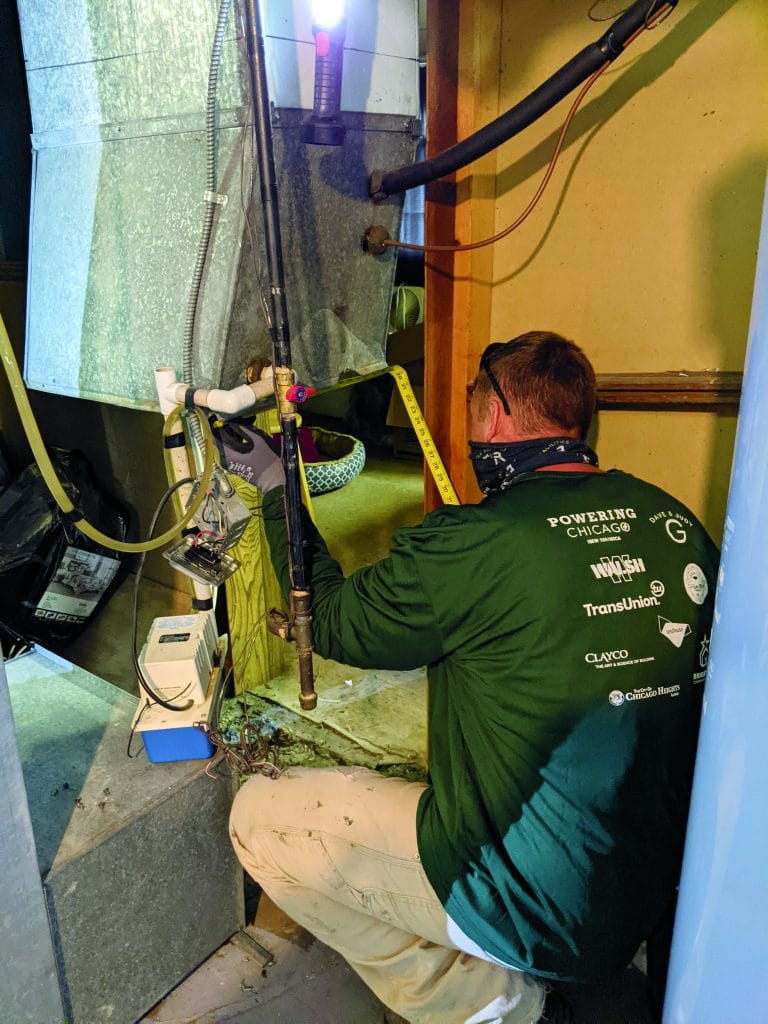
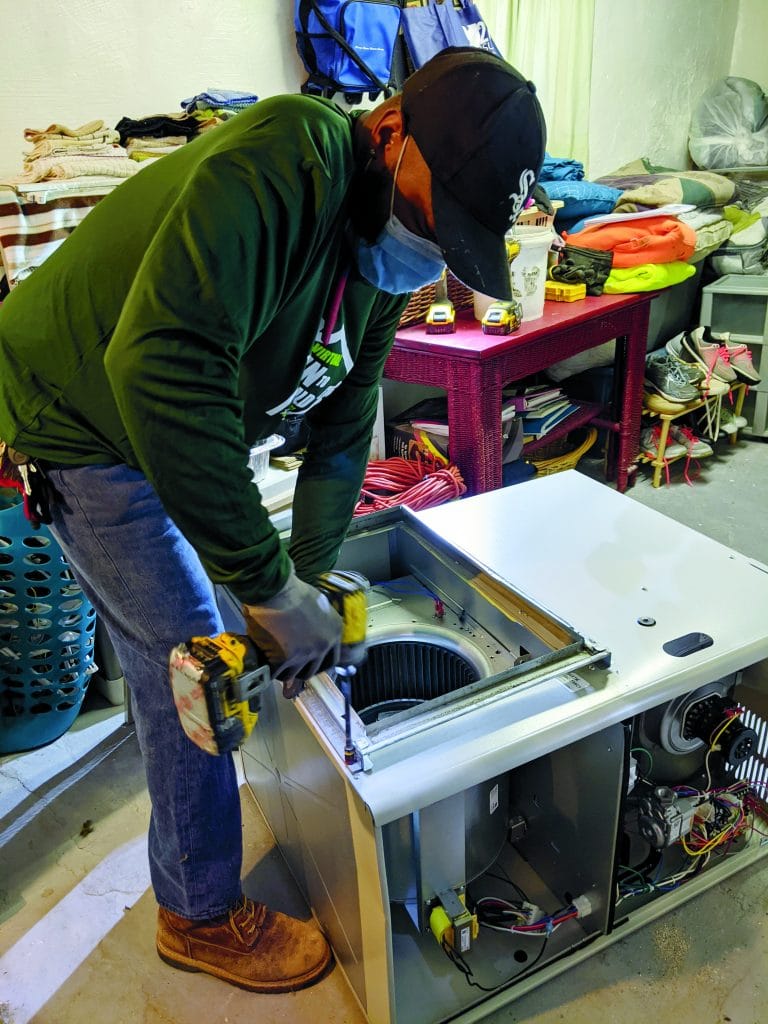
To help get through the cold winter, low-income homeowners in Chicago and Chicago Heights received free furnace and boiler tune-ups to keep them safe and warm. This initiative was the result of a partnership between Rebuilding Together Metro Chicago, SM Local 73 and SMACNA Greater Chicago.

When the risks associated with COVID-19 limited Rebuilding Together Metro Chicago’s ability to perform interior home repair, the organization met the challenge by broadening the services it provides to families and elderly homeowners. As part of this transition, Rebuilding Together Metro Chicago led an outreach effort with the intent of assessing its clients’ unique needs, while providing valuable referrals and connections to other resources in the community. From ensuring food security to providing PPE, Rebuilding Together Metro Chicago has responded to the crisis by providing a safer, more secure home environment for area residents.

In December 2020, a partnership with Local 73 and SMACNA Greater Chicago provided warmer, safer home environments for low-income families in preparation for winter. This initiative, called Warm the Metro, enlists union members and local HVAC contractors to visit more than 50 homes annually, offering free tune-up services on boilers and furnaces. This year, the Warm the Metro partnership provided tune-ups in 64 homes, plus full replacements in five.

“Furnace and boiler tune-ups are exactly the type of support our homeowners need to stay safe and warm through the winter. We are delighted to continue this partnership for a second year, and so grateful to our SMACNA and Local 73 friends,” said Wanda Ramirez, CEO of Rebuilding Together Metro Chicago.

In addition to providing improved heating efficiency, safety and indoor comfort, a regular furnace tune-up can spell the difference between a five- to 10-year and a 15- to 20-year life expectancy for a heating system. To complete the tune-ups, Rebuilding Together Metro Chicago partnered with South Suburban Heating and Air Conditioning, Inc., and RD’s HVAC, Inc. for the Warm the Metro initiative.

“The men and women of Sheet Metal Workers’ Local 73 have a long history of giving back to our community,” said Local 73 President and Business Manager Raymond Suggs. “We are proud to work with Rebuilding Together Metro Chicago to Warm the Metro in preparation for winter. The danger posed by COVID-19 makes it more important than ever to have a safe, warm, comfortable home to protect residents’ health and safety this winter. We look forward to future partnerships with Rebuilding Together Metro Chicago and continuing to provide and give back our services to those in need.”