
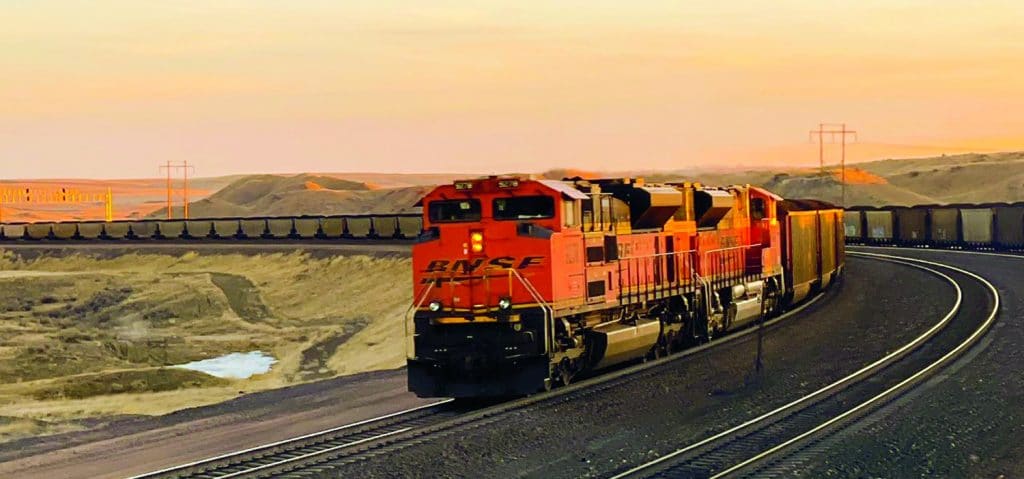

It’s difficult to imagine trying to pass off reducing the braking power of a freight train as a safety precaution, but that is exactly what BNSF attempted to do recently in a request to the FRA for a variance to increase the allowable amount of flow from 90 CFM to 120 CFM.
In their request, BNSF states that in order to reduce the slip/trip/fall risk that goes along with conductors and carmen walking a consist looking for leaks in a brake line, that they think it’s safer to depart the train with up to 120 CFM of flow and assume it will be able to stop when it has to.
FRA put out a Notice of Proposed Rule Making (NPRM) requesting public comments on BNSF’s request, and SMART-TD’s National Legislative Department was happy to oblige them. Below you can read SMART-TD’s response to FRA from Brother Greg Hynes, SMART-TD’s national legislative director.
Related News
- WATCH: Members Step Up to Take Care of Their Own
- Metro Micro Operators Overwhelmingly Ratify First Contract
- New Documentary Features California Local 1741 Bus Operators
- WATCH: Railroaders Meet Life’s Risks Head-On
- What Does $73.16/Hour Actually Mean?
- New Jersey Leads with Rail Safey Law
- “The Safety Program That Works — And Why Railroads Won’t Use It”
- Jobs Still Protected After Merger Delay
- Recommit to the Work Ahead this MLK Day
- Federal Protection for Train Crews Promised by Passenger Rail Crew Protection Act