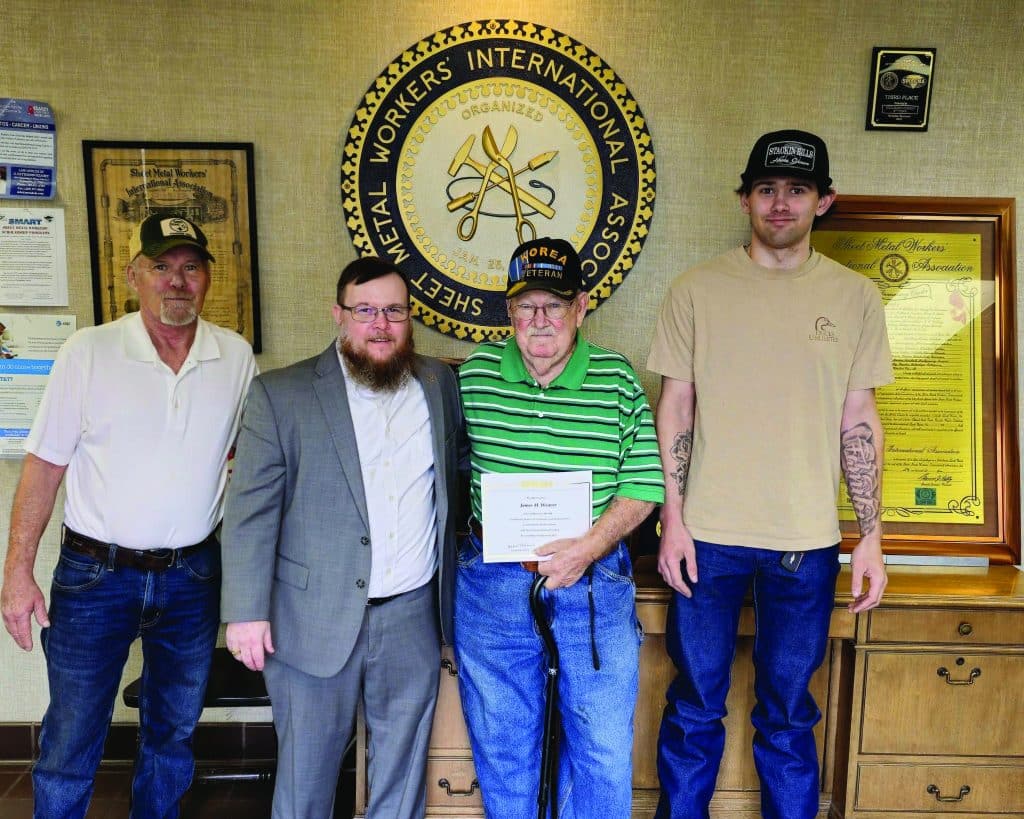
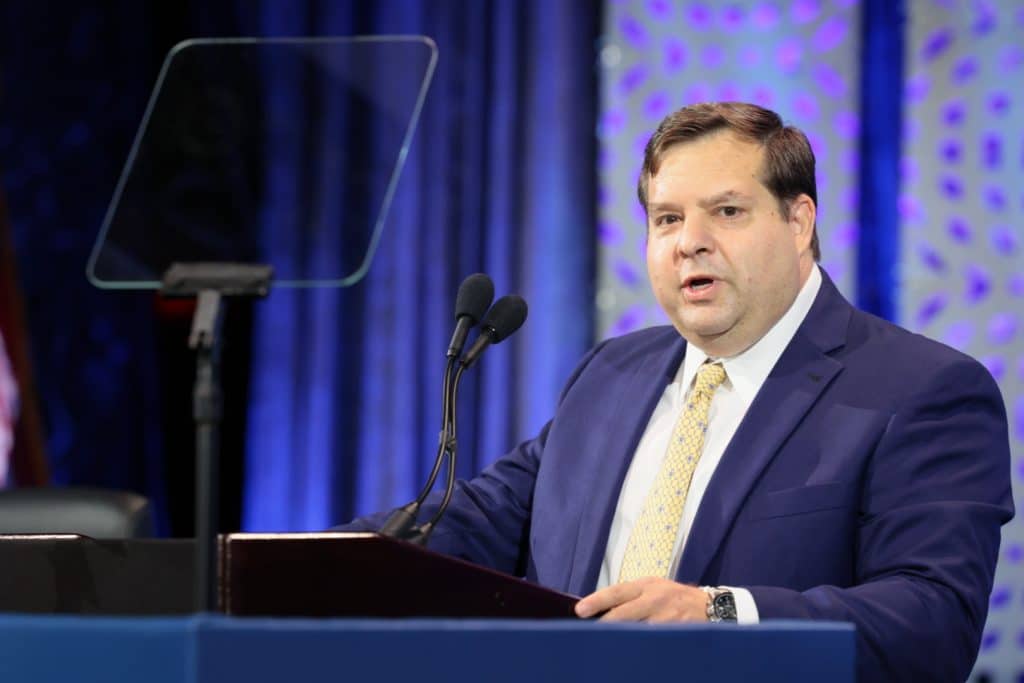
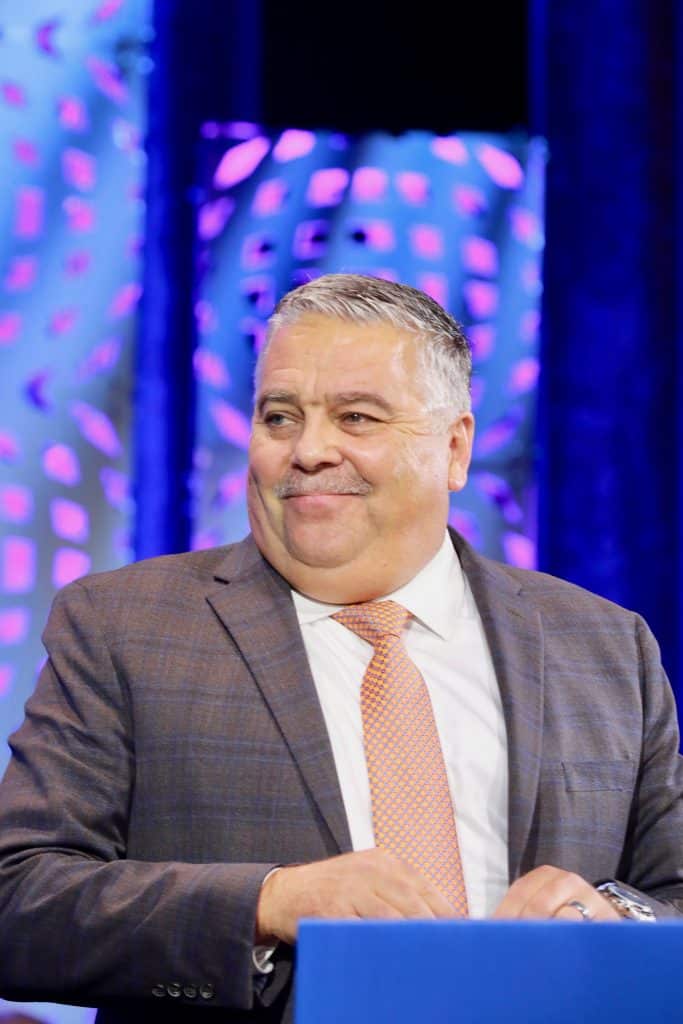
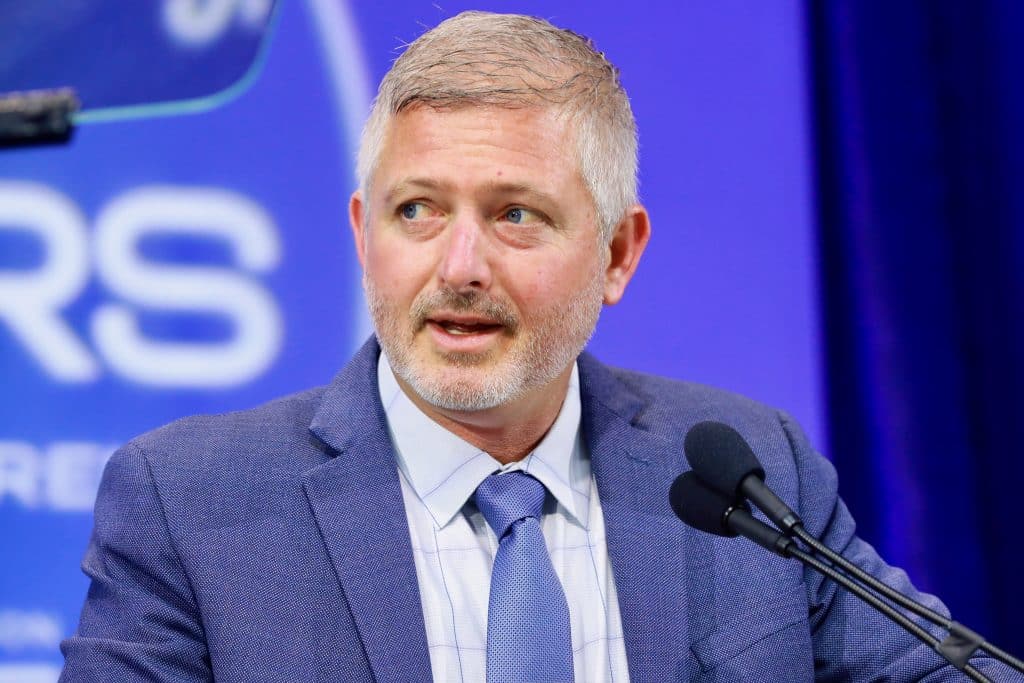
James M. Weaver received his 50-year service award on March 14, 2025. Pictured with Brother Weaver is his son, James G. Weaver, retired member of Local 48; Brother Weaver’s grandson, Jonathan Atchison, Local 48 business agent; and Brother Weaver’s great-grandson, James C. Weaver, first-year apprentice of Local 48.
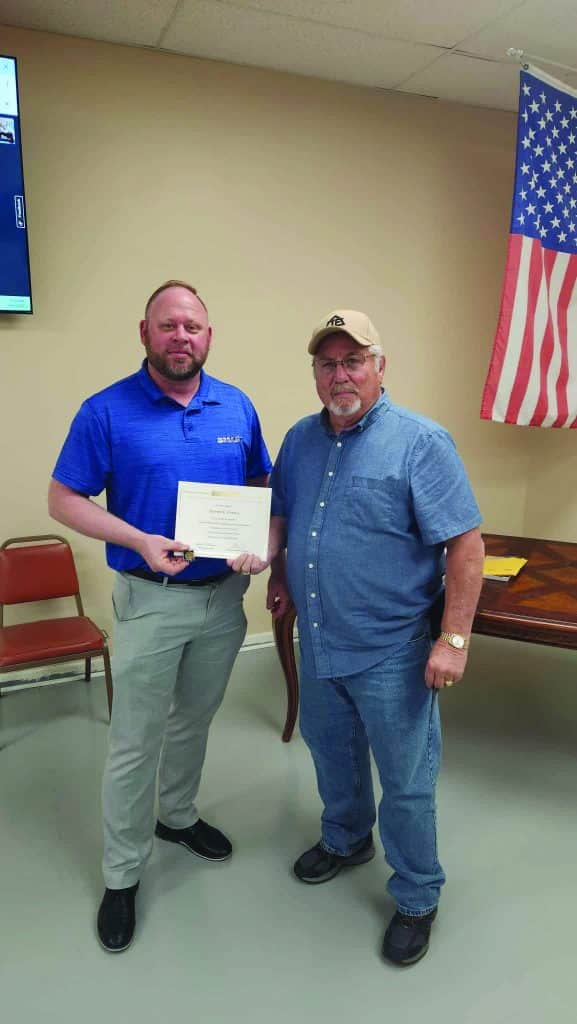
Donnie Dennis also received his 50-year service award on March 14, 2025. Pictured with Brother Dennis is Local 48 Business Manager Daniel Walden.
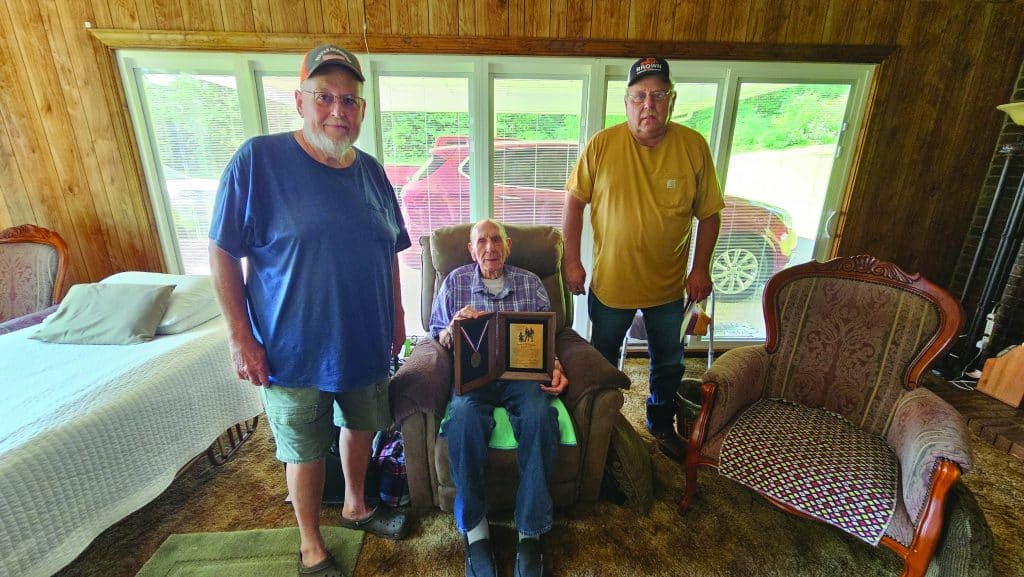
Local 48 also honored 70-year member Glen Roberson, who retired in 1995 and is now 92 years old. Pictured, from left to right: Glen’s son Jerry Roberson (40-year member of Local 48); Glen Roberson; and Glen’s other son Glen Roberson Jr. (40-year member of Local 48). The three Robersons represent 150 years of dedication and service to Local 48!
On Thursday, March 27, an executive order signed by President Trump ended collective bargaining for nearly one million federal workers, including Local 17 sheet metal workers at Portsmouth Naval Shipyard (PNS) in Maine.
“I found out when I woke up in the morning [Friday] that the dues that were supposed to be taken out of the check were not taken out,” recalled Shaun Fisher, electrician inspector and chief steward at PNS. “The reaction is horrible. … We don’t know what’s coming or going.”
PNS employs workers in a variety of metal trades: mechanical, electrical, interior for the submarine lockers. For years, and following a decades-long fight to organize the shipyard, these skilled tradespeople workers under the protection of union representation — giving them not only the financial benefits that allow SMART members across North America to provide for their families, but also job security and peace of mind.
All that changed in March, when SMART members like Fisher had their rights stripped in an instant. That had an immediate, on-the-shop-floor impact on member representation and working conditions.
“Everybody’s scrambling, and it gives free rein for management to do whatever the hell they want,” he said. “It makes it real hard now, especially the fact that if they take away our pool time and we can’t represent our people, we’ve got to use our own leave to do that.”
Local 17 and the Portsmouth Metal Trades Council immediately contacted impacted members to let them know their unions were pursuing all avenues available to protect shipyard workers’ jobs. But the constant uncertainty around workers’ representation and the threat of mass layoffs is taking a toll, Fisher said.
“Everybody’s scared,” he added. “We’re left with no guidance [from management] whatsoever.”
The fight isn’t over. In the halls of government, an array of Republican and Democratic representatives introduced the bipartisan Protect America’s Workforce Act, which would restore federal workers’ (including PNS SMART members’) collective bargaining rights.
And regardless of what happens moving forward, Fisher declared, he and SMART will do whatever it takes to protect members under attack.
“I’ll do anything,” he vowed. “If it means standing on a line with people and representing for the shipyard, I will do that.”
In 2024, SMART Local 9 worked tirelessly to push an indoor air quality in public schools bill through the Colorado state legislature and to Governor Jared Polis’s desk — only to see the governor veto the legislation, along with the work hours it would have created for SMART members.
The local could have accepted defeat. But Business Manager Jon Alvino and Political Director/Organizer Chaz Tedesco knew that HVAC work in public schools represented a golden opportunity for Colorado sheet metal workers, not to mention benefiting kids and educators — especially important at a time when continued federal funding for indoor air quality work is being threatened by Congress.
Local 9 members get out the vote for endorsed candidates, including Sheila Lieder, who helped ensure the passage of the HVAC in public schools law.
Their resolve paid off in June 2025, when Gov. Polis signed a new version of the bill that requires school districts to thoroughly assess and upgrade their HVAC systems using certified contractors when spending federal infrastructure or education funds, and to provide for regular maintenance and inspection of HVAC systems following installation.
“After the governor’s veto of last year’s bill, I had serious reservations about running something similar again,” Alvino said. “But I owe a great deal of thanks to Representatives Sheila Lieder, Eliza Hamrick and Senator Jessie Danielson. Their leadership, encouragement and unwavering support gave this bill and our union the momentum we needed.”
“Representative Lieder has been an incredible champion — not just for this bill, but for sheet metal workers across Colorado,” he added. “Her advocacy, rooted in her experience as a labor leader with CWA, continues to make a real impact.”
The bill directs the governor to use remaining Bipartisan Infrastructure Law funds to assist school districts in finding certified contractors and writing grants to access federal funding, and instructs the state Department of Labor and Employment to create a list of certified HVAC contractors schools can hire from.
“There are many qualified HVAC contractors across Colorado, and this legislation ensures that when schools update their heating and cooling systems, they meet high standards for safety, efficiency and quality,” said Colorado State Rep. Lieder in a post-session statement. “This law is good for workers and small businesses because it helps them secure HVAC maintenance contracts while creating safer air to breathe for Colorado students and educators.”
Whether it’s indoor air quality, offsite fabrication or other sheet metal work, SMART members and high-road signatory contractors miss out on jobs when bad-faith employers take advantage of loopholes to win bids on work such as HVAC in public schools. For that reason, Alvino explained, the enshrining of SMART HVAC standards into state law is a big win for members.
“The certified contractor list created through this bill guarantees that those who pay prevailing wages and participate in registered apprenticeship programs are eligible. It’s a huge step forward for ensuring quality work and supporting skilled local labor,” Alvino explained.
Plus, when combined with local bond measures, the legislation puts Local 9 in a strong position to partner with school districts, helping them leverage matching funds at both the state and federal level to improve their facilities.
“This legislation wouldn’t have been possible without the dedication of our members, the courage of our state leaders and the tireless advocacy from labor and community partners,” Alvino concluded. “Thanks to their efforts, students and educators across Colorado will benefit from cleaner, healthier air, and workers will have more access to good-paying, meaningful jobs that make a real impact.”
Production workers in Oregon will soon have a pathway to better training and more job opportunities thanks to Local 16’s new state-registered production apprenticeship program, a long-gestating idea that will help workers in the manufacturing sector for years to come.
The new program will be a two-year apprenticeship, with five weeks of intensive daytime training each year, administered by the Local 16 JATC.
“We saw a need for an apprenticeship for our production shops,” said Local 16 Regional Manager Brian Noble. “We wanted to get training for members so they could always improve themselves and be more qualified and skilled for signatory contractors.”
Local 16 Regional Representative Darrin Boyce explained that Local 16 had an extraordinarily strong production membership in the 1980s, but thanks in part to the trade policies of President Ronald Reagan, he argued, and the North American Free Trade Agreement (NAFTA) later on, the manufacturing sector was decimated, leading to decline. In addition, until a few years ago, Local 16 representation for production workers was siloed off from that of the building trades, with different officers assigned to different shops.
“You don’t have the shared resources, you’re not bouncing ideas off of each other,” Boyce said. “So [Noble] decided to break up [that siloing].”
It didn’t take long for elected officers to realize that many of the issues production workers raised during bargaining could be addressed through formalized training that spoke to members’ needs — in other words, a state-registered program that helped workers achieve guaranteed wage rates, assisted contractors with securing work opportunities and helped SMART members build their skills.
Noble noted that a state-registered program that meets Oregon’s established labor standards is especially important right now. By going through the apprenticeship program, Local 16 production workers and contractors may be able to secure work in the burgeoning offshore wind industry.
“In Oregon, we have labor standards set up for any of the offshore wind platforms, and the development for offshore wind, [that include] apprenticeship requirements,” he said.
Coming up with a state-registered production apprenticeship program was one thing. Creating it was another.
“Some of the challenges were getting our contractors on board with adding contributions in their contracts to the JATC,” Noble said. In other words, employers who previously hadn’t provided funding for training needed to see that there would be bang for their buck.
“We ended up bringing the contractors to the table to be like, ‘hey, what kind of training would you guys want?’” said Boyce. “And so really what we’re looking at is having the last year [of the apprenticeship program] being tailored to each shop.”
Local 16 also needed to work with the Oregon Bureau of Labor and Industries to ensure the program met all the criteria to be state registered and to structure the apprenticeship in a way that benefited members. Because production workers have different daily schedules and demands compared with building trades members, making evening instruction a more difficult task, Local 16 designed the production apprenticeship to not only meet the high standards set for state-registered apprenticeship programs, but also to allow members to collect unemployment pay while they attend the five-week course. (Oregon law allows apprentices in state-registered programs to do so, Boyce said.)
The apprenticeship program is becoming reality. Now, Noble and Boyce think it could benefit Local 16 members for the long term — whether from offshore wind project work, day-to-day job satisfaction, Local 16’s market share or all of the above.
“The direct benefit for members is a pathway to that higher-wage position in the facilities they work in, with a guaranteed timeline and a direct path that isn’t just at the whim of the contractor,” Noble said. “I also think it’s an opportunity for us to organize more production facilities.”
“We know why union is better, and that is the quality,” added Boyce. “You’re not going to have a high turnover rate. You’re going to have lifelong workers, dedicated, that are going to be making the company a lot of money. And one of the ways to show them that is with a good, state-registered apprenticeship program where we have qualified people and we’re giving them the training that specifically addresses their needs.”
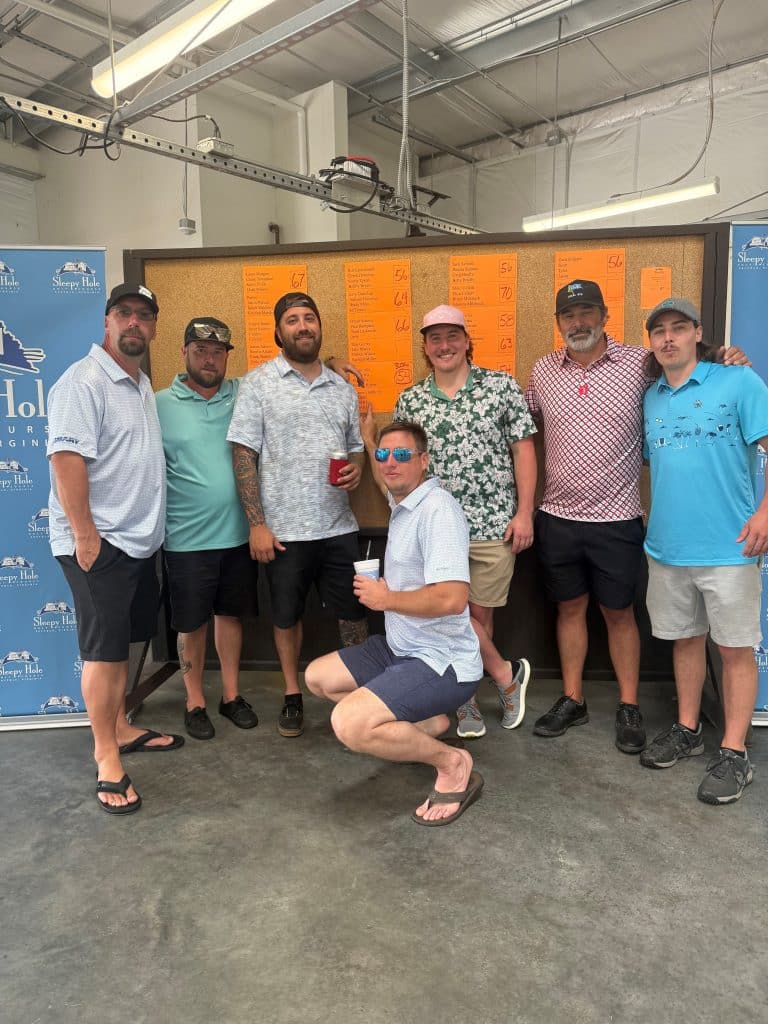
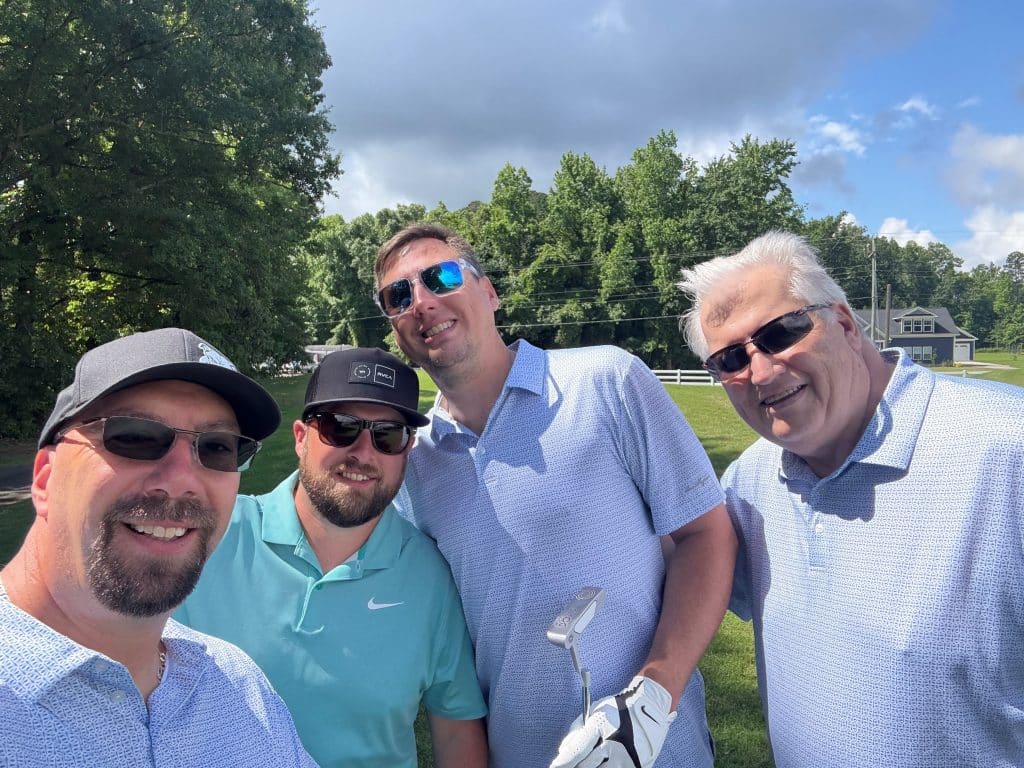
In May, SMART-TD Local 854 teamed up with the International Longshoremen’s Association Local 970 for a charity golf tournament. The two unions helped raise money for PORTCO, Inc., a Virginia nonprofit that helps veterans and people with disabilities find employment opportunities.
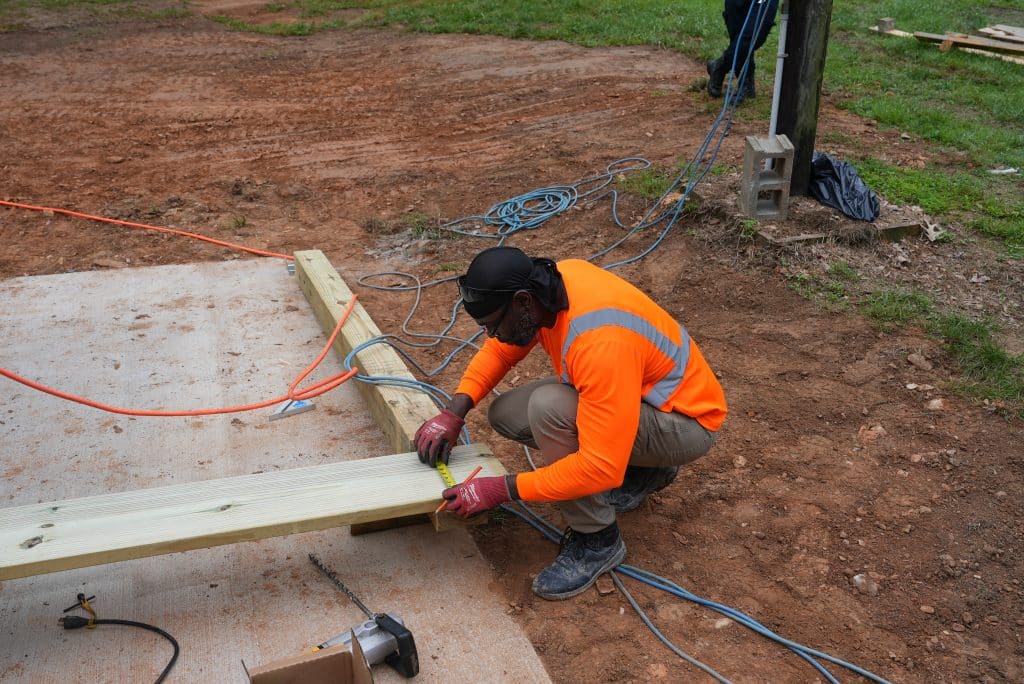
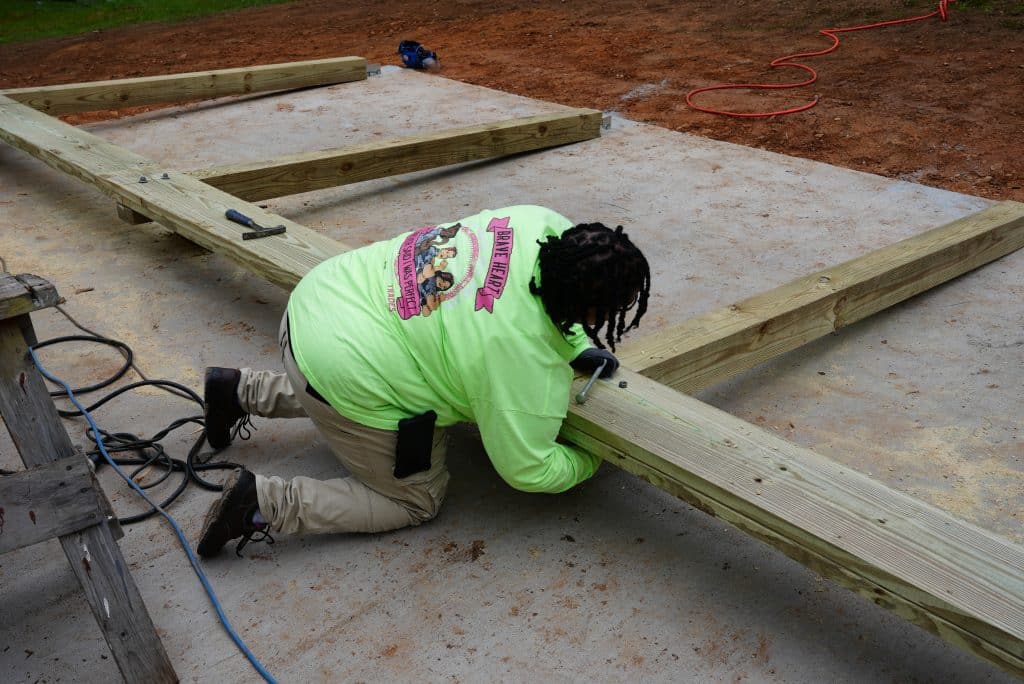
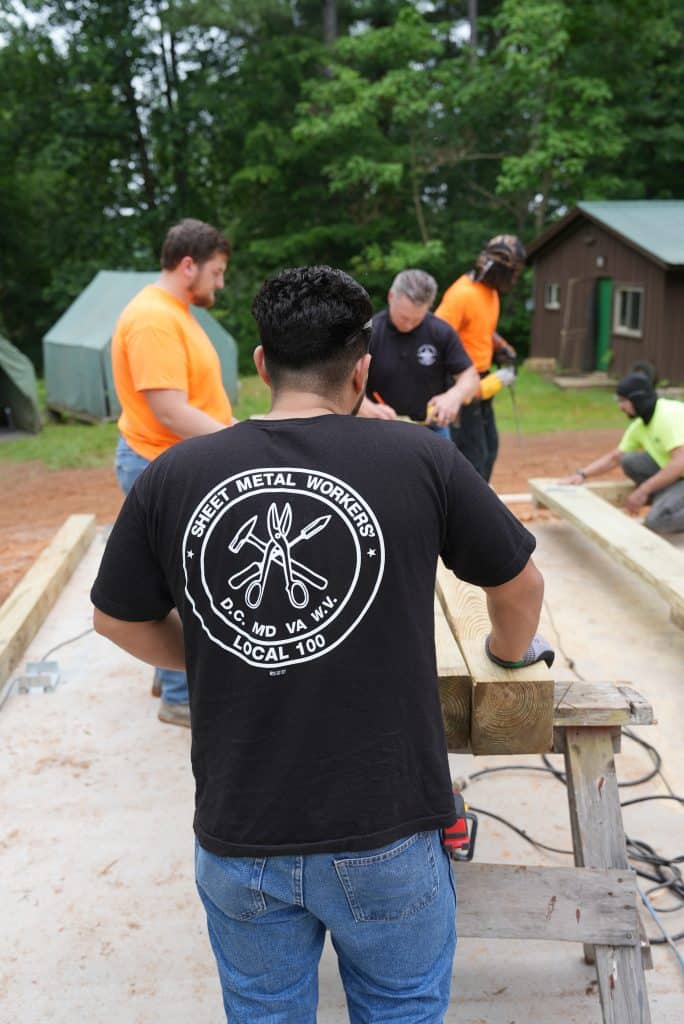
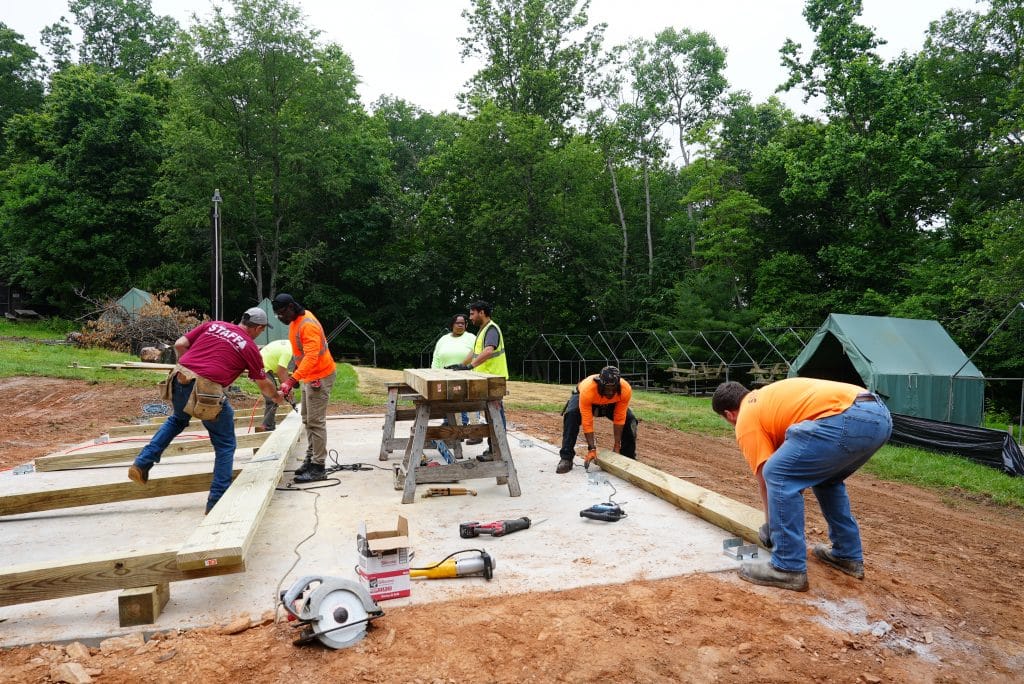
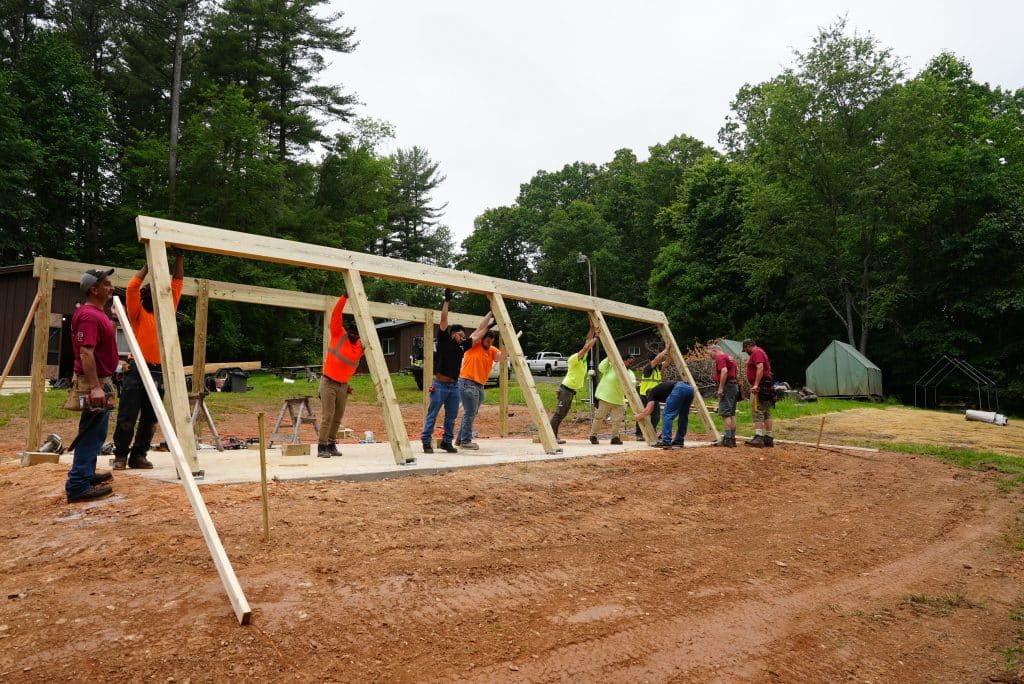
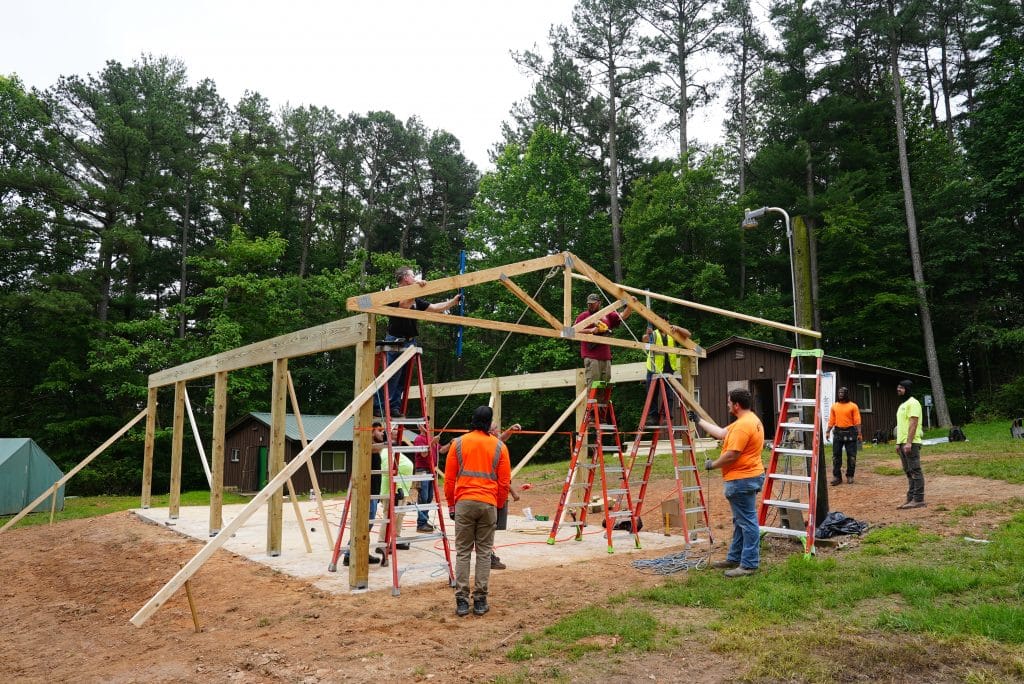
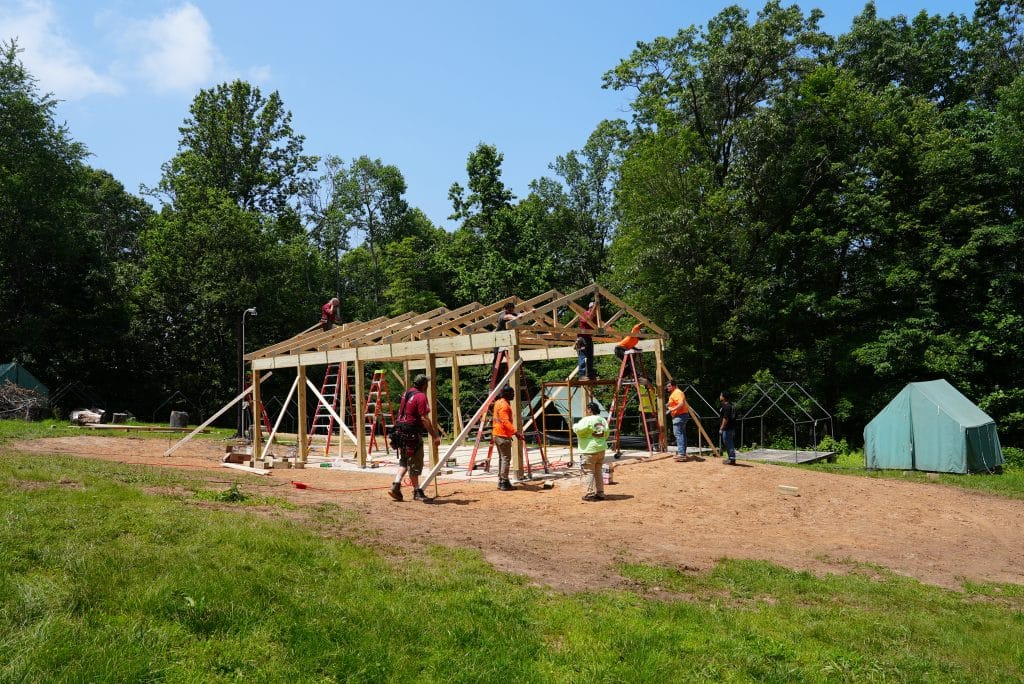
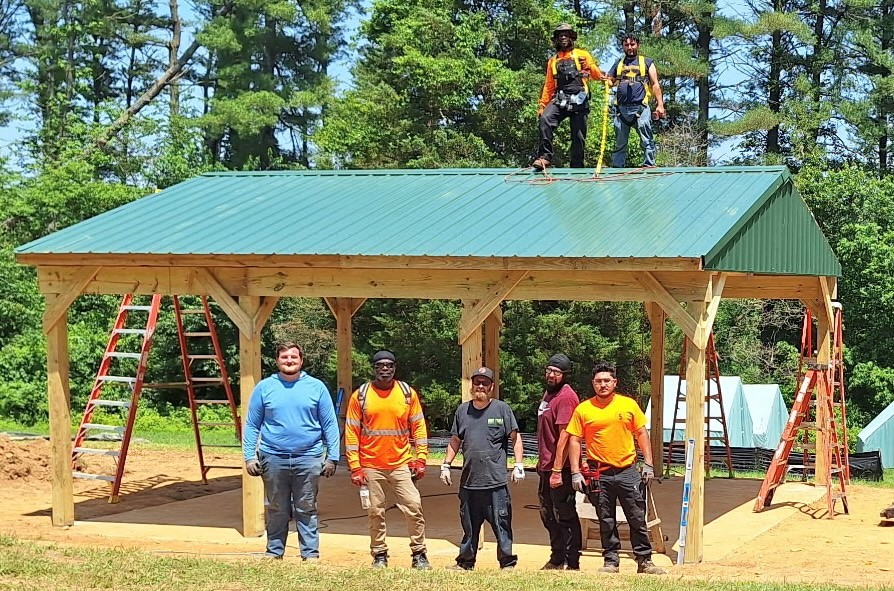
In collaboration with the Union Sportsmen’s Alliance (USA), members of SMART Local 100 donated their time and labor to build two brand-new pavilions from scratch at Broad Creek Memorial Scout Reservation in Whiteford, Md. — helping provide necessary structures for the area outdoor youth center.
“We really appreciate the partnership with Local 100, in conjunction with USA, for coming out and being part of this project,” said Manuel Fonseca, deputy scout executive & COO, Baltimore Area Council, Scouting America. “Having two additional structures for staff and campers is much needed and much appreciated. Scouting is all about safety — along with utilizing them for social activities, having these two new pavilions will provide another option for shelter.”
Each year, more than 23,000 youth visit Broad Creek to participate in activities designed to foster youth development, adventure and team building in the great outdoors. Located just over 40 miles from Baltimore, Broad Creek is the fifth-largest block of undeveloped land in the traditional Baltimore metropolitan area, with 1,624 of the reservation’s 1,676 acres permanently protected under a combination of county, state and federal conservation easements. The campsite offers programming to kids across the area — and staff saw the need for an additional two pavilions to provide places for campers and staff to gather, eat, socialize and potentially take shelter during inclement weather.
That’s where the union volunteers entered the picture. Both USA and Local 100 share the values of solidarity and ensuring young people have access to the great outdoors — for that reason, it was an easy decision for both organizations to come together and build the two pavilions, lifting the burden off Broad Creek’s shoulders.
The Local 100 volunteers took just four days to build the two pavilions essentially from scratch: Besides raw materials and poured concrete, the sheet metal workers and Broad Creek staff assembled every part of the completed structures.
The end result? A demonstration not just of union craftsmanship and efficiency, but of SMART’s principles as well.
“We look forward to many years of future projects with Local 100 and USA,” Fonseca concluded.
Members who participated: Apprentices Nicholas Ray, Andre Matthews, Erick D. Rosa Pineda, Nigel Mills, Gary Plumley Jr. and Zachary A. Evans, plus Organizers Latauna Bigelow and Lester Larios.
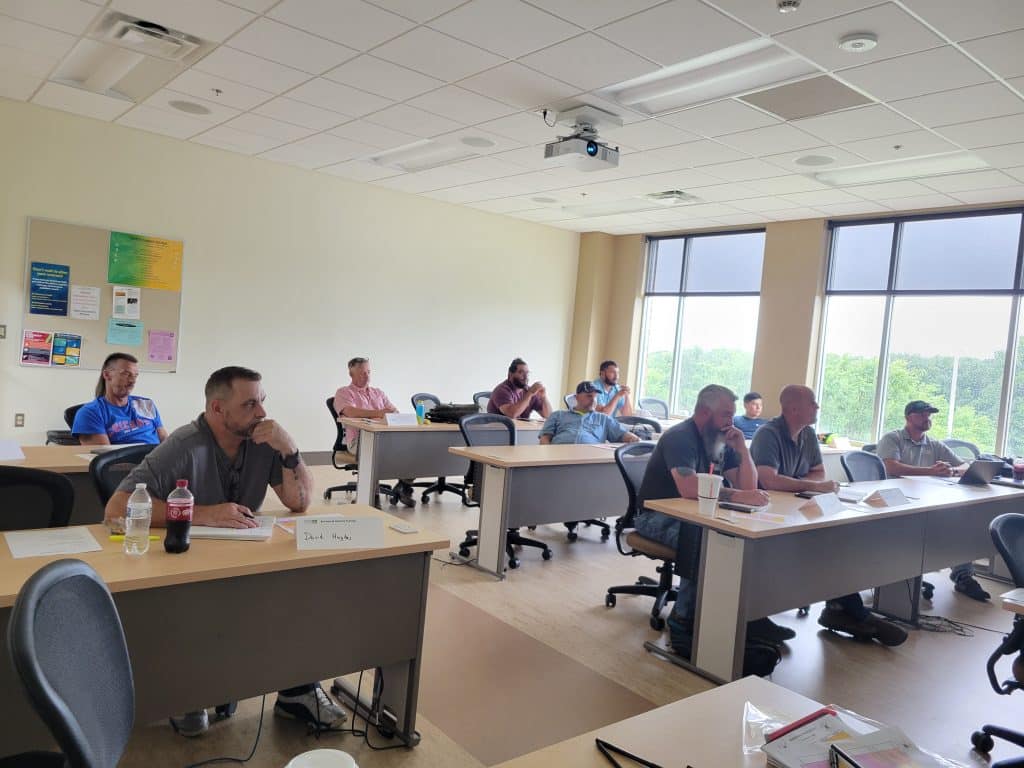
Members of Local 5 attended the International Training Institute’s SWIFT foreperson training in Greensboro, North Carolina, helping jobsite leaders develop their professional skills and further their careers.
This type of class is especially important right now, with signatory contractors reporting a need for leadership to help take on new work and grow the unionized sheet metal industry. The North Carolina course consisted of 10 individuals with varying degrees of leadership experience. Over four days, participants covered a variety of topics, including but not limited to: cost control, scheduling, people skills, communication skills, collaboration, document management, contract awareness and organizational skills.
“Overall, the class was very well received by the participants,” said ITI’s Adam Smith.
The ITI’s foreperson training curriculum was revamped in 2020 by a task force of representatives from labor, management and training. Smith was one of the ITI staff members on the task force; having spent his career as a foreperson, general foreperson, superintendent and general superintendent at a large mechanical contractor, he had plenty of input on what he wished he had been taught ahead of time.
“One of the first lessons in the curriculum is about self-reflection and what it takes to be a foreperson. We felt this was important, because all too often, a contractor just picks someone based on their work output and hands them a set of prints. But is this person really cut out for it? Or do they really know what they are getting themselves into?” Smith explained. “As time has passed in the construction industry, the speed of information and project schedules has increased immensely, and throwing someone into the fire blind can certainly be a daunting endeavor. We wanted this training to help soften this shock to the system and provide our membership with a basic knowledge and skill set to at least have a heads up of what they are getting into and how to better prepare themselves.”
“This training can help equip current journeypersons and apprentices with the tools necessary to build these projects on time, safely and on budget,” he concluded. “For locals looking to put on their own foreperson training, their JATC already has access to the curriculum and resources we used to put on this SWIFT training, but if they would like to have ITI come in and assist, they can reach out to their ITI field representative to get the ball rolling.”
Davis-Bacon prevailing wage rates set minimum pay and benefit standards on federal construction projects, based on surveys of wage rates in the area. This ensures that contractors bidding on those jobs can’t undercut area standards — putting skilled, well-trained construction workers (including SMART members) on projects. In many places, prevailing wage laws provide union-won pay and training standards to local workers, benefiting local communities and working families.
Prevailing wage rates also help SMART members at the bargaining table. When contractors across a local area are required to provide strong, family-sustaining pay and benefits, local unions can negotiate for the contracts members deserve without worrying about bad-faith companies pricing out high-road employers and lowering area working standards.
That’s why SMART fights for strong prevailing wage laws at the local level, and to strengthen the Davis-Bacon and Related Acts in the federal government. Because unfortunately, SMART members are just as impacted when prevailing wage rates are lowered.
A recent example from Florida: For decades, the United States Department of Labor has used one Davis-Bacon wage determination for construction work at the Cape Canaveral Air Force Station, Patrick Air Force Base, Kennedy Space Center and Malabar Radar Site — known altogether as Cape Canaveral — and another for Brevard County, Florida. The Cape Canaveral wage determination reflected union-won rates for all classifications, ensuring contractors bidding on work were paying strong, union-negotiated packages (and helping signatory contractors and members win more work). The Brevard County wage determination does not reflect those rates. Most of the rates on the Brevard County wage determination are low rates that haven’t increased substantially for more than 10 years.
Earlier this summer, the new administration’s Department of Labor announced that the Cape Canaveral prevailing wage rate would be replaced, effective July 4, 2025, by the lower Brevard County rate.
“Unfortunately, this is a decision that will affect SMART members in the near future and for many years ahead,” said SMART General President Michael Coleman. “The high standards contractors previously met at Cape Canaveral have now been lowered, opening the door for companies to bid on work without paying workers what they deserve. That’s the immediate impact. And in future negotiations, local unions in the area won’t have the foundation of strong prevailing wages to stand on when bargaining for the pay and benefits that our members earn.”
“SMART members and their fellow construction workers at Cape Canaveral are doing vital work to support our nation,” he added. “Undermining that just doesn’t make sense.”
Canada sets the standard
The disappointing actions by the United States Department of Labor and Congress contrast sharply with the current policy that SMART members enjoy in Canada.
In the U.S., the spending bill President Trump signed into law gets rid of a variety of work-creating tax credits. In Canada, similar tax incentives known as Investment Tax Credits offer companies a 30–40% credit for investments in clean technology, hydrogen production and carbon capture. These green economy credits are designed to drive investment toward sustainable energy projects. What sets them apart, however, is their strong labour standards. To qualify, employers must ensure that at least 10% of total work hours are performed by registered apprentices and that all construction workers are paid the prevailing wage — which includes health and welfare benefits as well as pension contributions.
In other words, this represents the strongest definition of prevailing wage ever implemented in Canadian labour history, utilizing the union definition of prevailing wage.
“It’s simple: Thanks to these incredibly strong standards, SMART Canada members will be put to work and Canadian families will benefit. No question,” General President Coleman said. “We applaud the Government of Canada for putting working families first, and we will continue to work with state and federal governments in the U.S. to win policies that benefit our members and their families.”
SMART Local 55 members are experiencing the power of collective bargaining in new ways in the Tri-City area of Washington, where a new primary care clinic exclusively for union members and families has opened. Pacific Health Coalition — a member-governed health care group made up of 44 unions across Alaska, Washington, Oregon, California and Nevada — launched its first Washington-based clinic in June, offering primary care services to union members and their families who are part of the coalition.
That includes the members and dependents of Local 55 covered under the Northwest Sheet Metal Workers Healthcare Trust health plan.
In a statement to Tri-Cities Business News, Kolby Hanson, Local 55 regional manager, explained that “there is a great need for quality primary care that is accessible to members in the Tri-City and Spokane area. ‘The new clinics emphasize same-day or next-day appointments where a comprehensive exam can be performed. Having an on-site pharmacy will also be a nice convenience for our members,’ Hanson said.”
The region has recently encountered a major shortage in primary care providers. Previous reporting by the Business News noted that wait times at some of the region’s major clinics were between three and six months.
Patients at the new Coalition Health Center, on the other hand, can get an appointment within 48 hours, with access to primary care, blood work and prescriptions. According to local union leaders, the center will hire additional staff as needed to make sure wait times stay low. (Along with Local 55, the United Association of Plumbers and Steamfitters Local 598 and International Brotherhood of Electrical Workers Local 112 also currently have access to the clinic.)
At a time when cuts to Medicaid and funding for rural hospitals — due to the passage of the “One Big Beautiful Bill” — look set to negatively affect SMART members and working families nationwide, the Coalition Health Center is especially impactful. Not only does the clinic fill the gap in terms of access to health care; because the PHC consists of so many union members across the American West, representing 250,000 people total, it has the bargaining power to negotiate the best prices for members, according to local union officers.
The clinic, operated by the company Marathon Health, has four exam rooms, a laboratory, office space, a waiting area and a behavioral health area, plus a pharmacy. For non-primary-care needs, the Pacific Health Coalition has contracts with providers in the area who can offer needed procedures via referral.
All told, the Coalition Health Center is a brick-and-mortar representation of what our union fights for every day.
“The clinic is open Monday through Friday, 8:30 a.m. to 4:30 p.m., with early morning and evening appointments available to accommodate busy schedules,” Local 55 wrote to members.
“This is just one more way that the Northwest Sheet Metal Workers Healthcare Trust is working to keep our union families healthy, strong and protected.”
From overviewing the foundation we’ve built to demonstrating what SMART solidarity means in action, local officers didn’t let up on fighting for what matters on the last day of the 2025 SMART Leadership Conference. Attendees heard from various guest speakers and honored fellow members, leaving New York City with a reinforced bedrock of solidarity on which to stand as we face the challenges ahead.
“We’ve had the opportunity to learn, to share, to enjoy solidarity … but we also got the chance to recommit to our fight,” General President Michael Coleman said. “This fight is hard, it’s constant, it’s exhausting, a lot of times it’s thankless, but it is worth every minute.”
STB chair visits SMART conference in the wake of merger news
The Surface Transportation Board (STB) plays a key role in the careers and lives of SMART-TD railroaders, overseeing the economic regulation of surface transportation — particularly freight rail — and the development of major railroad legislation. For that reason, SMART is committed to working with the STB in any way possible to benefit the lives of members; a commitment demonstrated as officers welcomed STB Chair Patrick Fuchs to the leadership conference on Wednesday.
“I have so much respect for your work, you, and all your contributions,” Fuchs told attendees.
In his remarks, the STB chair provided an overview of his role and the structure of the STB, as well as his goals as chair, namely accountability and transparency to the public and to the various bodies that the board serves.
But the biggest talking point for officers in the room was the proposed Union Pacific-Norfolk Southern merger.
Fuchs was prohibited from talking about his personal views on the merger or answering specific questions; however, he was as open as he could be, and he was crystal clear about one thing: “As long as I’m chairman, labor will always have a seat at the table. … We need your perspective.”
SMART-TD found out about the proposed merger from the news. By contrast, Chairman Fuchs — who was appointed chair this year by President Trump — told SMART-TD he wanted labor to be involved. He proved that, to an extent, later in the morning: Following his keynote speech, Fuchs participated in a Q and A session with SMART-TD legislative representatives and general chairs to find out what our issues are at the ballast level.
“What I can promise you is that the board will give [the proposed merger] a fair and thorough review,” he told officers.
Fuchs went out of his way to say that he and the STB are seeking SMART’s input, and input directly from members, to be included in the decision-making process
Officers demonstrate solidarity, honor member engagement in general session
An annual highlight of every SMART Leadership Conference is the Joseph J. Nigro SMART Army Member of the Year award, bestowed upon transportation and sheet metal members who go above and beyond in representing the values of our union.
The SMART-TD winner, Local 200 member Amanda Snide, serves as a local chairperson, local safety and legislative representative and as the Nebraska assistant safety and legislative director — all while working as a switchman and yard foreman in North Platte, one of the largest and busiest rail yards in North America. While introducing Amanda, General President Coleman discussed several stories of her recent service to fellow members and working families.
There was the time when, in response to massive furloughs of car inspectors and workers in the maintenance crafts, she went out of her way to negotiate with Union Pacific management, helping build a path for these formerly non-SMART-TD workers to keep their careers, benefits and pensions by moving to new roles as conductors.
There’s the progress Snide and Nebraska Safety and Legislative Director Andy Foust have made in the statehouse in Lincoln, defying the odds in what is considered to be an extremely unfriendly political climate.
There was the time just this summer when Snide was at the TD Regional Training Seminar in Denver, Colorado, when she got the news that one of her fellow members in North Platte was in an accident and in danger of losing his arm. Without hesitation, Snide left the RTS and headed home to ensure her union brother’s rights were protected, that he received the best possible treatment, and that his family was taken care of.
“That shows exactly what kind of leader Amanda is,” Coleman said. “She truly represents this year’s conference theme.”
“Our union has both provided for me, and provided ways for us to give back — fighting for what really matters, our members,” Snide said, reflecting on her journey. “We refer to one another as family because we rely on mutual support … our collective strength is founded on knowing our brothers and sisters stand ready at our side.”
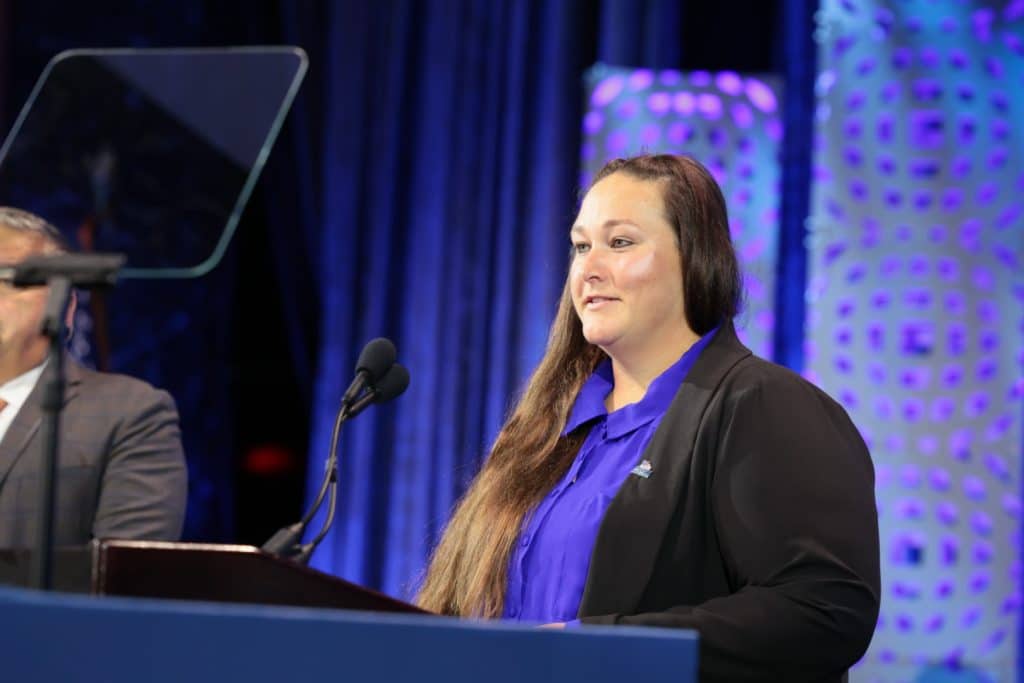
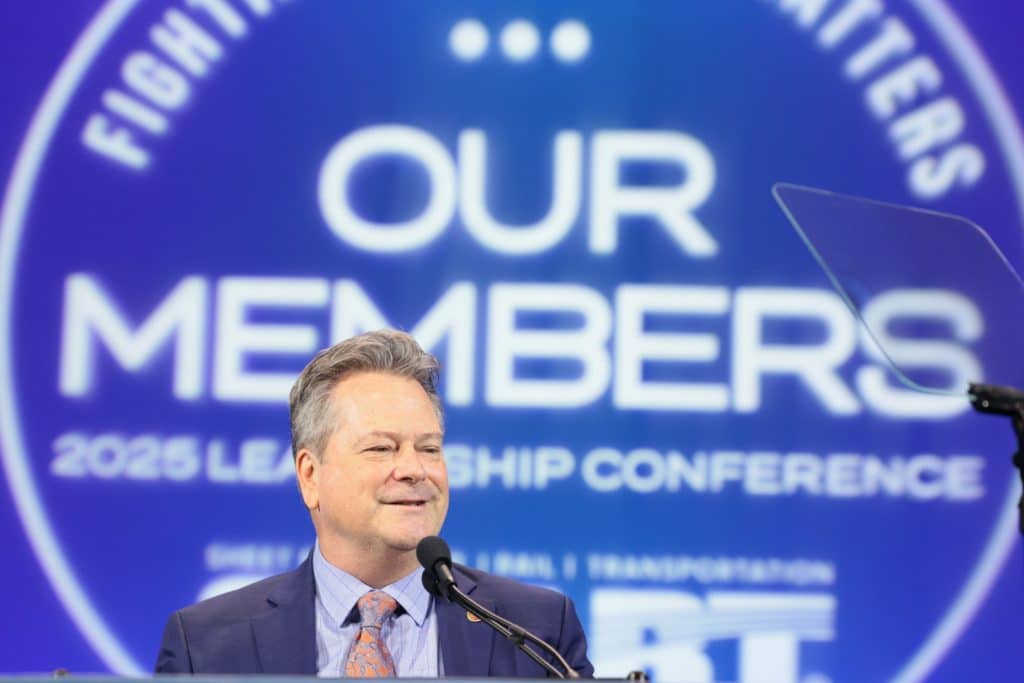
SnideWerner
The 2025 sheet metal Joseph J. Nigro SMART Army Member of the Year couldn’t be in New York City to accept her award. But Local 104 (Northern California) apprentice Rebecca Suen received plaudits from leadership conference attendees all the same. Suen, who spent nine years serving her country in the United States Army — helping her pay for college — originally worked in an office job. But after a while, she just couldn’t take it anymore, and thanks to Local 104’s Veteran Direct Entry Program, she started her sheet metal career in 2022.
Since then, General President Coleman said from the podium, Suen has set an example of what it means to be a SMART member. She is a constant presence at Local 104 volunteer events, and she has spoken in favor of project labor agreements and other pro-worker policies at local city council meetings — offering first-hand testimony that has helped win major victories for both herself and her fellow members.
“That’s the kind of leadership our members need,” said General President Coleman.
Local 104 Business Manager Rick Werner accepted Suen’s award on her behalf, telling attendees: “She is what we all look at as one of our true leaders in the industry. … I can tell you, Rebecca’s in every union meeting, she’s there every time we need her to help out — she steps up.”
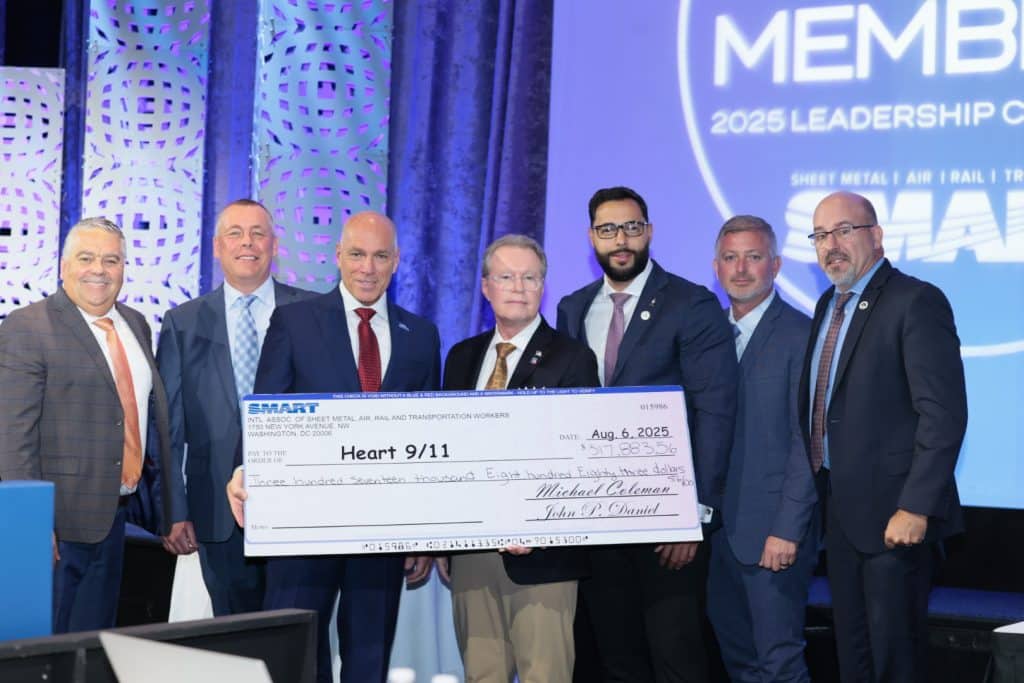
Maybe the most inspirational moment of the day came when General President Coleman welcomed host local leaders and HEART 9/11 President Bill Keegan to the stage, where Coleman announced to attendees that, collectively, attendees of the 2025 SMART Leadership Conference raised more than $317,000 for the organization.
“I’m humbled by that figure. That is incredible. That will do so much to help people in this country recover from disasters,” said HEART 9/11 President Keegan.
“I couldn’t be any prouder of this organization,” Coleman added. “We have proven the true power of solidarity.”
Practicing our principles, looking ahead
Even as the 2025 Leadership Conference began to close late Wednesday morning, SMART union officers kept their eyes on the future — taking steps to prepare for the fights ahead.
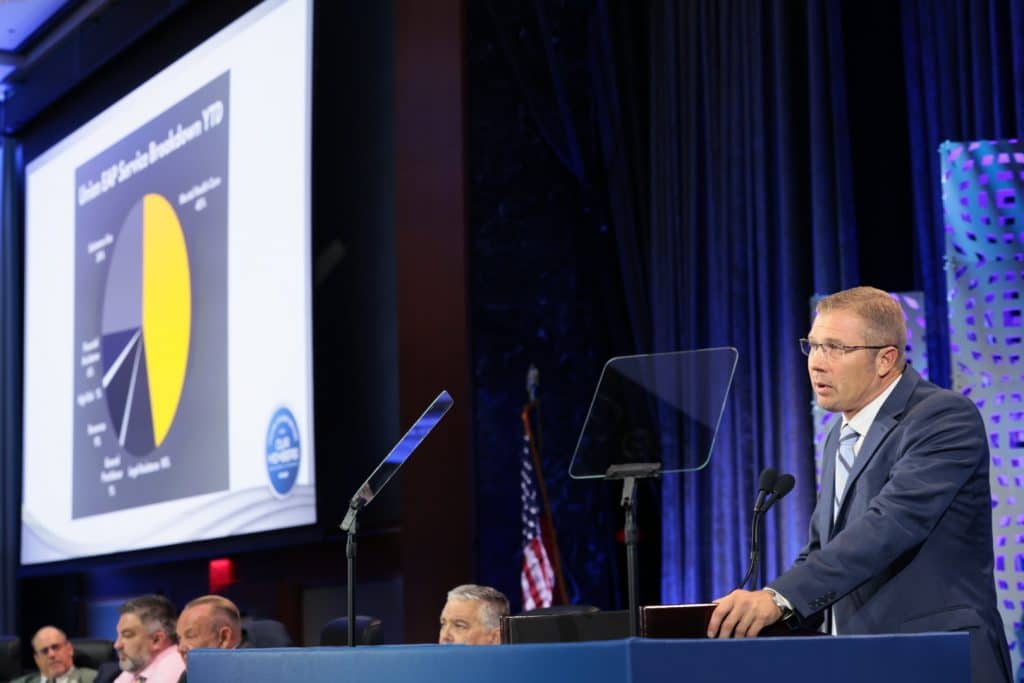
Workers in the construction and transportation industries are disproportionately affected by mental health and substance abuse issues. That’s why SMART places such an emphasis on pursuing innovative programs to support members’ mental well-being, SMART Director of Wellness and Mental Health Support Chris Carlough reported to the joint session. Along with Union EAP CEO Ben Cort, Carlough detailed the need for robust mental health support systems and resources for members and their families, whether for depression, anxiety, loneliness, suicide prevention, addiction or more. One of those resources? Union EAP.
“We can talk about this — talk is cheap. But when we start putting money behind this and demanding professional care for our members, then we’re doing something,” Carlough said.
“I can look you square in the eye and tell you that our people will fight for your members — for their mental health, for their overall well-being. We will provide the same service and care to you that you give to the world,” Cort added.
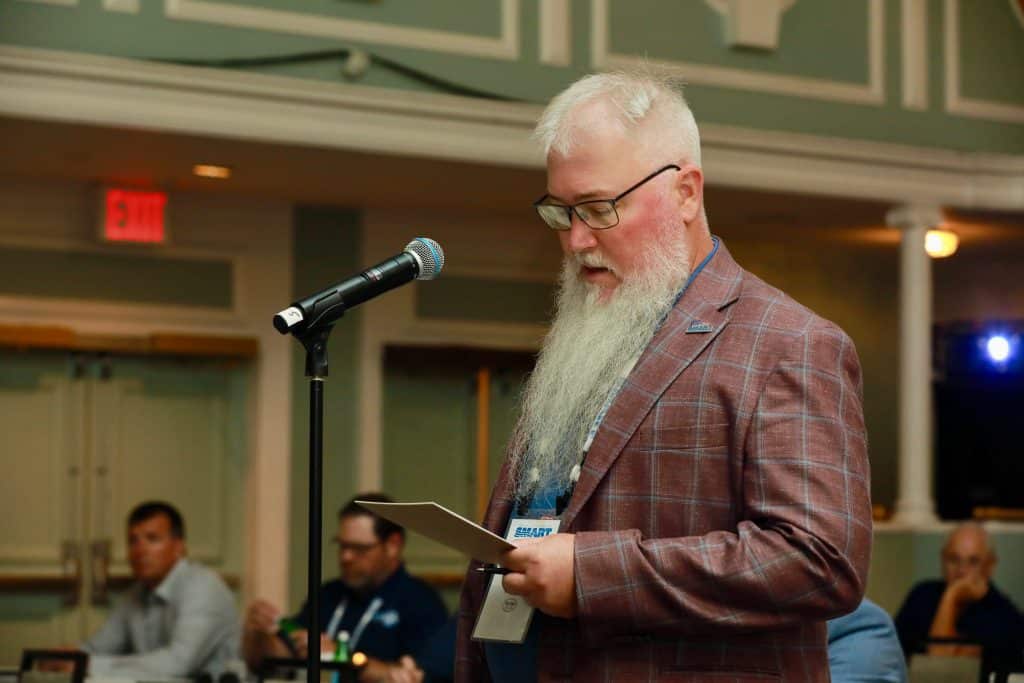
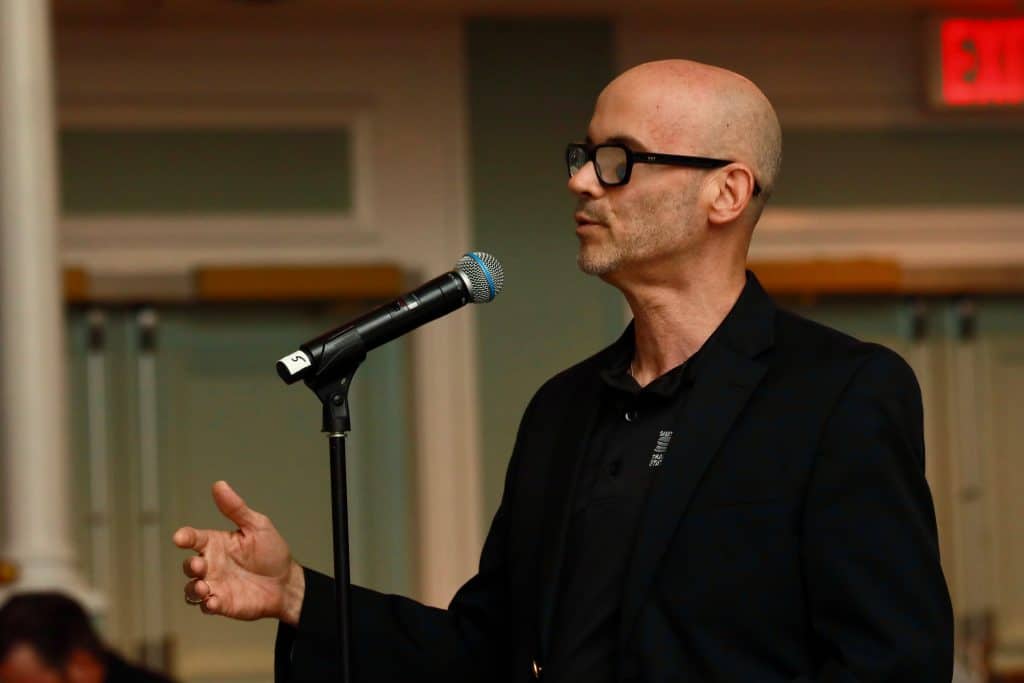
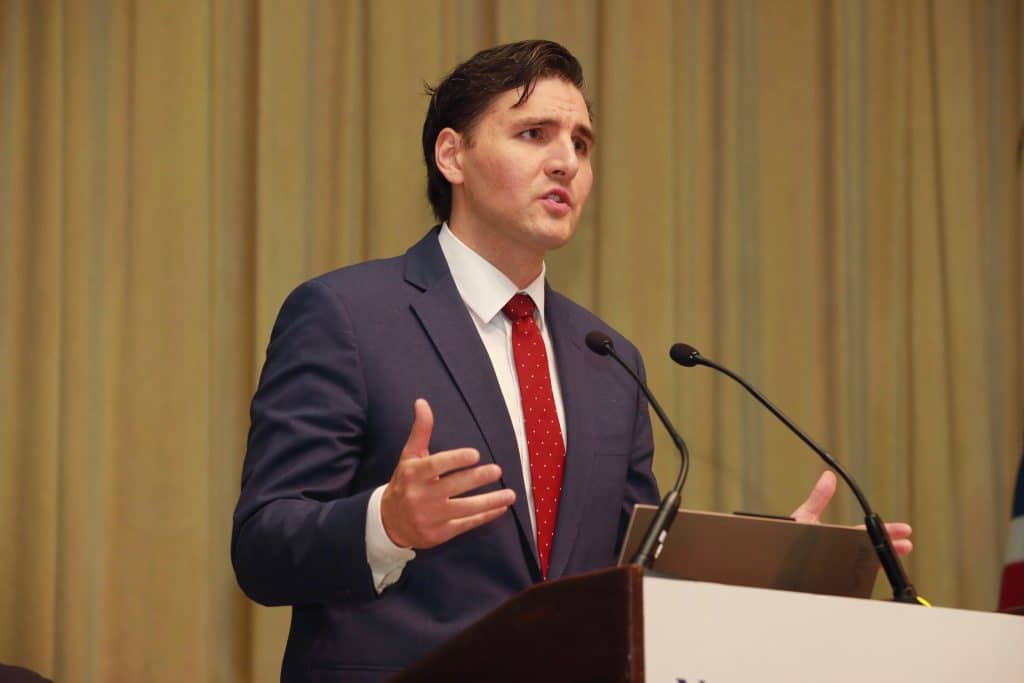
CortCarlough
The session for sheet metal attendees kicked off with SMACNA CEO Aaron Hilger. Hilger has worked in near lockstep with SMART to strengthen the unionized sheet metal industry, recognizing the threat posed by bad-faith contractors, the nonunion sector and other competitors. He also discussed the shared attacks SMART and SMACNA face, from cancelled federal funding for construction projects to tariffs that toy with supply chains that the industry relies on.
“We are nothing without each other,” Hilger said. “We can’t do our jobs without the contractors, we can’t build without you. This is a partnership — and we win when we work together.”
Read a recap that includes details on the SMART-TD session here.
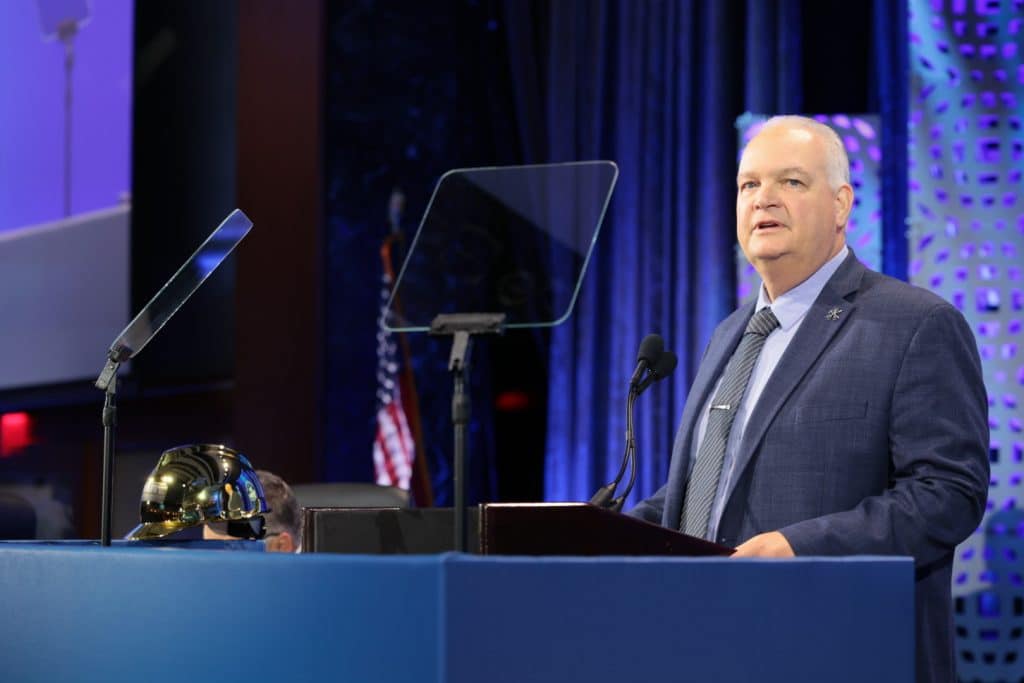
Hilger
Steve Binder, managing director and head of Taft Hartley at Hamilton Lane, spoke to sheet metal officers about the SMART Air and Energy Fund. The fund, Binder explained, is a way to use union funds to benefit members directly: generating competitive returns for SMART funds and promoting industry growth that creates work hours for SMART members.
“This is about seizing the opportunities that align with our goals — driving growth in the green energy sector, creating jobs for our members, expanding work hours and making sure our money works for us, not against us,” Binder said.
SMART has invested in members in Canada in recent years, including by appointing Bob Gougeon as International representative for government affairs and megaprojects. In his address, Gougeon highlighted the momentum building across Canada for SMART members. From coast to coast to coast, the nation is busy with work — major infrastructure and energy projects are not only underway but also being fast-tracked, thanks to a government that is prioritizing nation-building initiatives.
Looking ahead, Gougeon spoke about preparing for the next wave of opportunities in emerging sectors like green energy. With determination and solidarity, he reminded attendees that we’re not just building projects — we’re changing the world, one day at a time, by standing up for each other and helping those around us.
“Through every job, every new apprentice, every conversation and every helpful gesture, SMART is changing the world, one day at a time,” he said. “Sometimes we don’t realize how our words and actions affect someone’s life. It’s a wonderful thing to hear a member say, ‘I didn’t realize that was possible.’ ‘I really appreciate that.’ And the one that gets me in the heart: ‘You changed my life.’”
One of the most persistent challenges facing working families in the United States is childcare. That’s why SMART has partnered with TOOTRiS to offer wraparound childcare benefits to members at participating United States sheet metal locals. TOOTRiS Senior Director of Strategic Initiatives Eric Cutler presented on the impact of childcare on SMART members — and how SMART and TOOTRiS are working together to provide a path forward.
“Childcare is critically important for working families, for members that are considering starting a family. This program continues to position SMART as a leader in the trades,” Cutler said.
And Christy Foley, SMART office manager and manager of membership services, reported on the Sheet Metal Workers’ Scholarship Fund and Foundation, playing a video of the year’s “best essay” winner reading her awarded effort. The stepdaughter of Local 265 member Brett Johnson, Amina Idris arrived in the United States after fleeing the war in Ukraine; in a video she recorded reading her essay, she detailed the life-changing impact of her stepfather’s SMART membership, stating, “the union has given me the opportunity to build a new future.”
“Another example of how many lives we touch,” General President Coleman said. “It’s just truly inspiring.”
The fight worth fighting
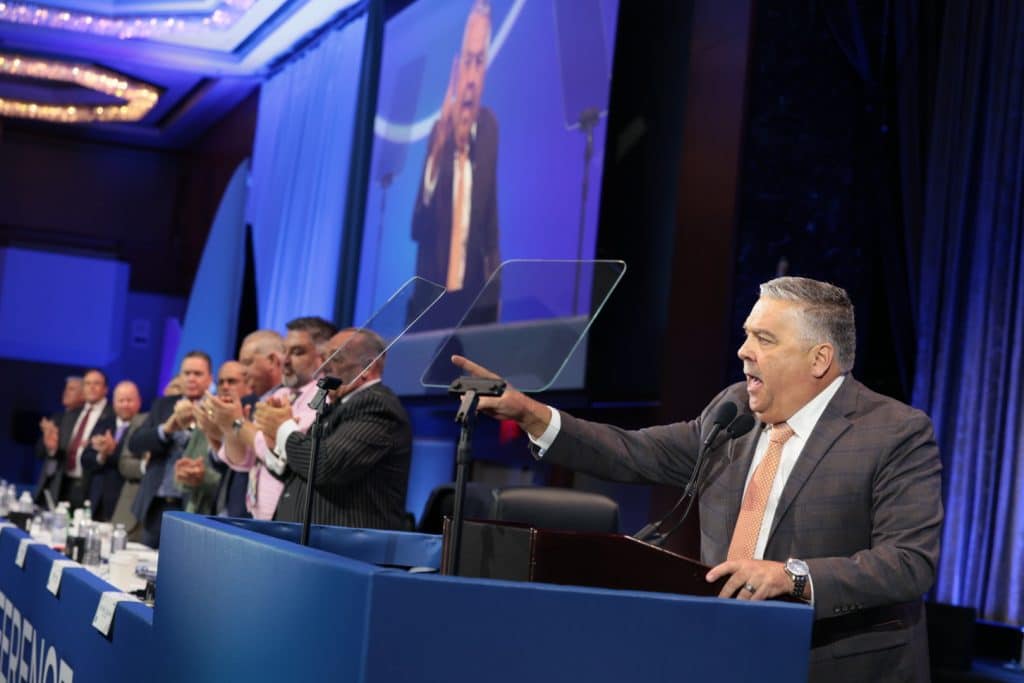
At the end of the joint session, General President Coleman took the podium for closing comments. Meditating on a successful week of hard work, solidarity and skill building, Coleman noted: “I think about the fight, and what we fight for, every single day. How all we do is lift people up, every single day. And then I think, there’s people out there who hate us.”
There are powerful anti-worker forces across both our nations that don’t just hate our movement, Coleman explained; they want to destroy us. They want to destroy us for what we work for, what we do, how we represent members and what we ask for. They want to destroy us because we ask for dignity, fairness and safety.
“We ask that we’re able to take care of our families and our loved ones, and they want to destroy us,” Coleman said, in disbelief.
That’s why these conferences are so crucial, he added. Because we need everyone together as we work to protect and secure the future for our members.
“I want to thank all of you for being in this fight,” he told officers. “That’s what we’re here for. It’s not easy, I know it — it’s exhausting. But you do it, every single day. And members count on you to do that, every single day. And it is the fight worth fighting.”
And with that, the 2025 SMART Leadership Conference came to a close.