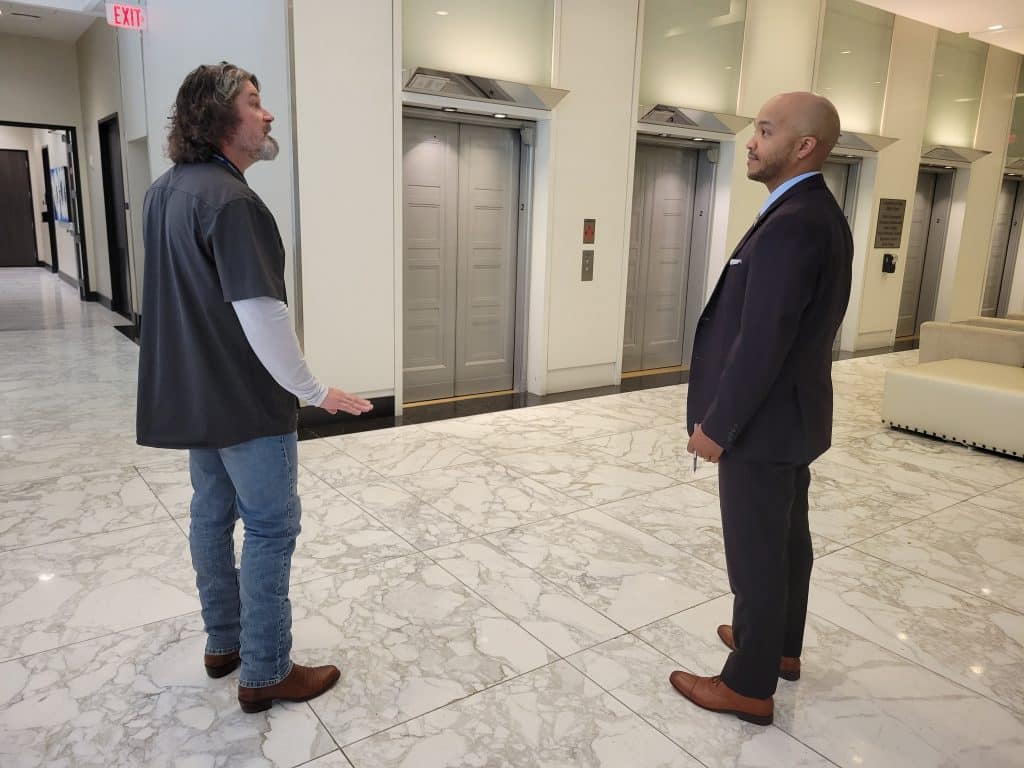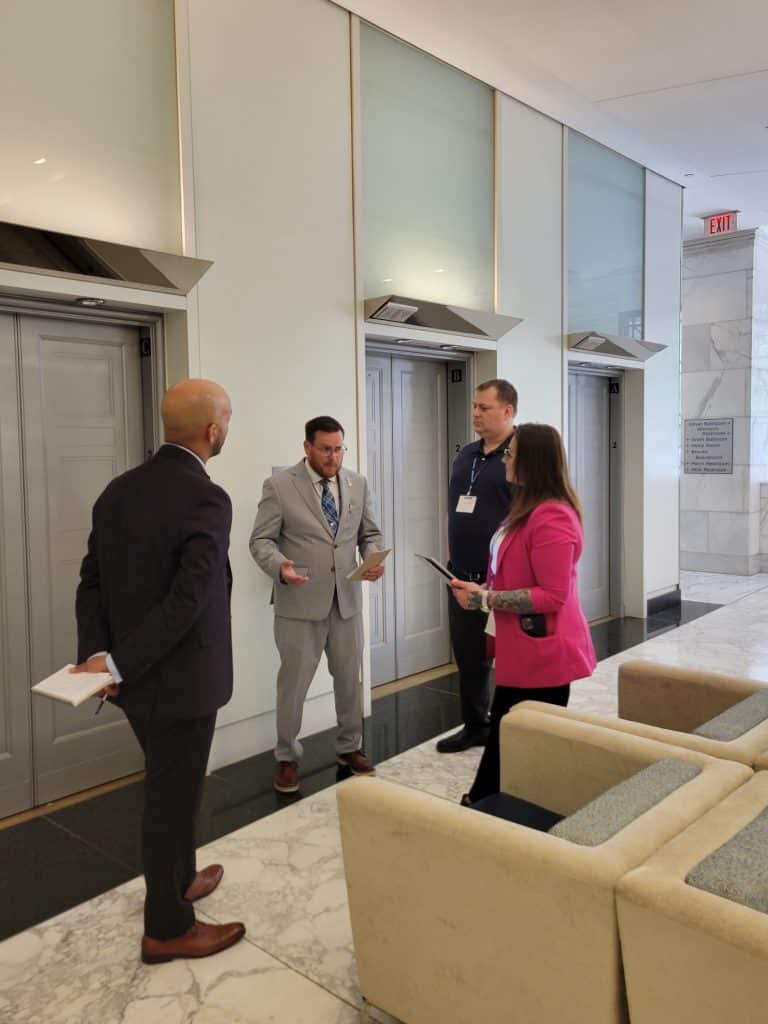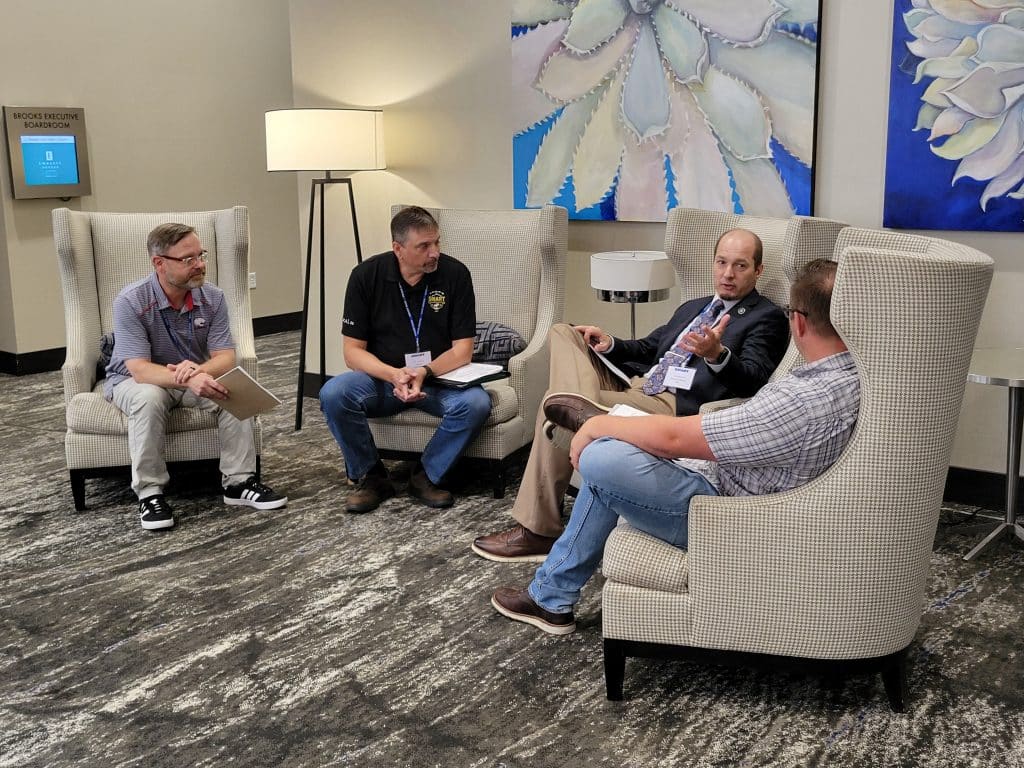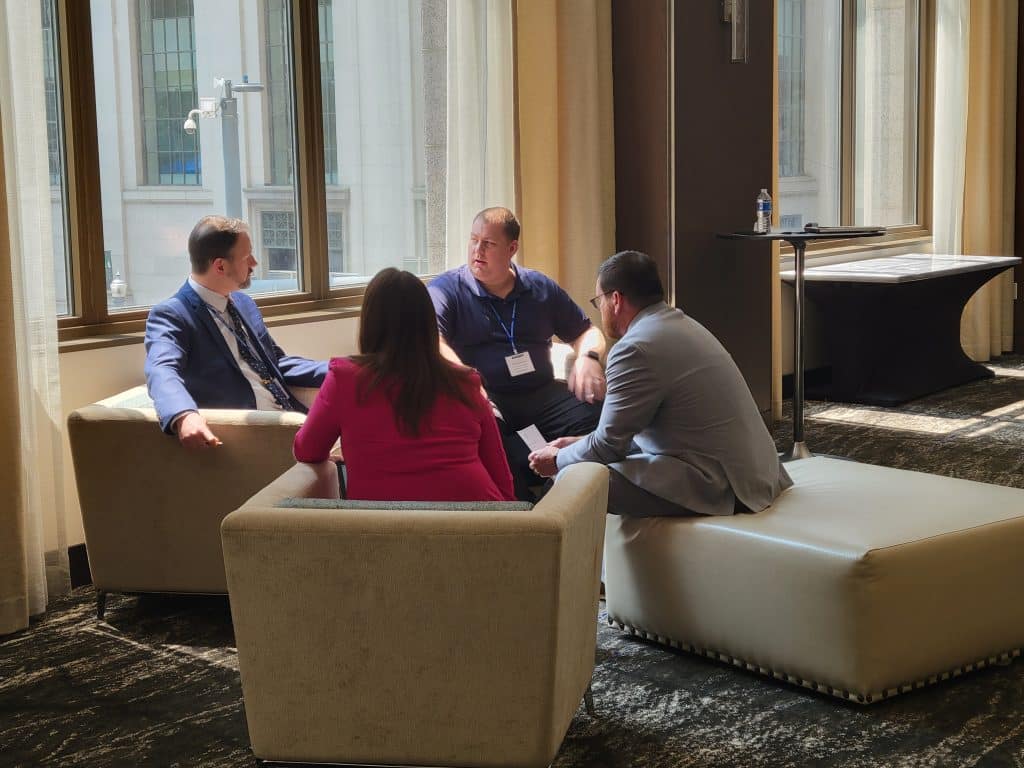
In 2024, SMART Local 9 worked tirelessly to push an indoor air quality in public schools bill through the Colorado state legislature and to Governor Jared Polis’s desk — only to see the governor veto the legislation, along with the work hours it would have created for SMART members.

The local could have accepted defeat. But Business Manager Jon Alvino and Political Director/Organizer Chaz Tedesco knew that HVAC work in public schools represented a golden opportunity for Colorado sheet metal workers, not to mention benefiting kids and educators — especially important at a time when continued federal funding for indoor air quality work is being threatened by Congress.

Local 9 members get out the vote for endorsed candidates, including Sheila Lieder, who helped ensure the passage of the HVAC in public schools law.

Their resolve paid off in June 2025, when Gov. Polis signed a new version of the bill that requires school districts to thoroughly assess and upgrade their HVAC systems using certified contractors when spending federal infrastructure or education funds, and to provide for regular maintenance and inspection of HVAC systems following installation. 

“After the governor’s veto of last year’s bill, I had serious reservations about running something similar again,” Alvino said. “But I owe a great deal of thanks to Representatives Sheila Lieder, Eliza Hamrick and Senator Jessie Danielson. Their leadership, encouragement and unwavering support gave this bill and our union the momentum we needed.”

“Representative Lieder has been an incredible champion — not just for this bill, but for sheet metal workers across Colorado,” he added. “Her advocacy, rooted in her experience as a labor leader with CWA, continues to make a real impact.”

The bill directs the governor to use remaining Bipartisan Infrastructure Law funds to assist school districts in finding certified contractors and writing grants to access federal funding, and instructs the state Department of Labor and Employment to create a list of certified HVAC contractors schools can hire from. 

“There are many qualified HVAC contractors across Colorado, and this legislation ensures that when schools update their heating and cooling systems, they meet high standards for safety, efficiency and quality,” said Colorado State Rep. Lieder in a post-session statement. “This law is good for workers and small businesses because it helps them secure HVAC maintenance contracts while creating safer air to breathe for Colorado students and educators.”

Whether it’s indoor air quality, custom offsite fabrication or other sheet metal work, SMART members and high-road signatory contractors miss out on jobs when bad-faith employers take advantage of loopholes to win bids on work such as HVAC in public schools. For that reason, Alvino explained, the enshrining of SMART HVAC standards into state law is a big win for members.

“The certified contractor list created through this bill guarantees that those who pay prevailing wages and participate in registered apprenticeship programs are eligible. It’s a huge step forward for ensuring quality work and supporting skilled local labor,” Alvino explained.

Plus, when combined with local bond measures, the legislation puts Local 9 in a strong position to partner with school districts, helping them leverage matching funds at both the state and federal level to improve their facilities.

“This legislation wouldn’t have been possible without the dedication of our members, the courage of our state leaders and the tireless advocacy from labor and community partners,” Alvino concluded. “Thanks to their efforts, students and educators across Colorado will benefit from cleaner, healthier air, and workers will have more access to good-paying, meaningful jobs that make a real impact.”
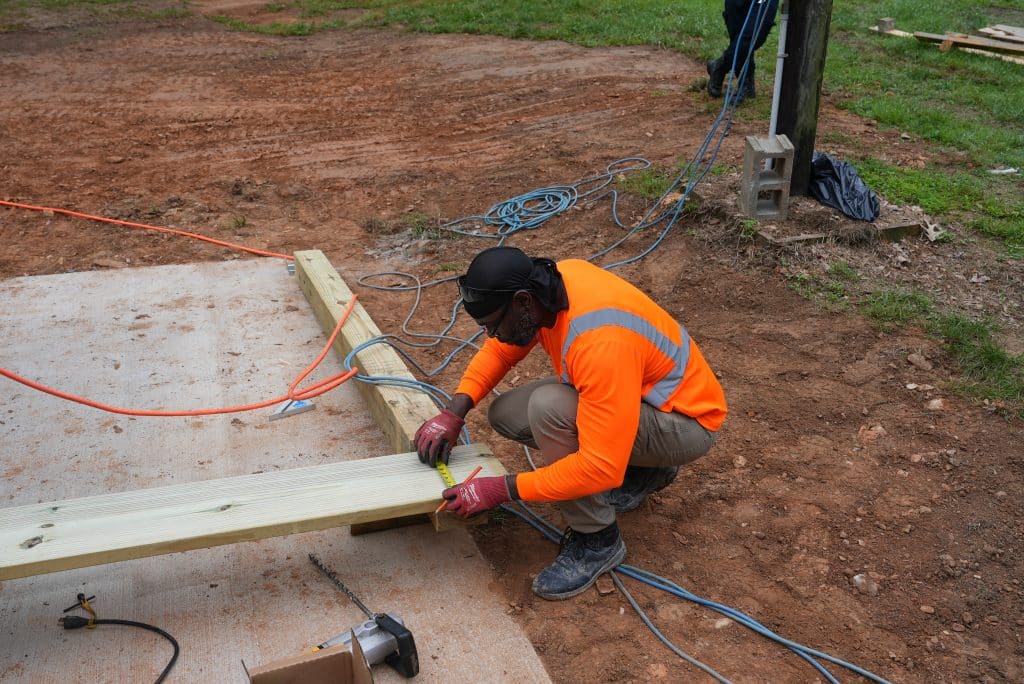
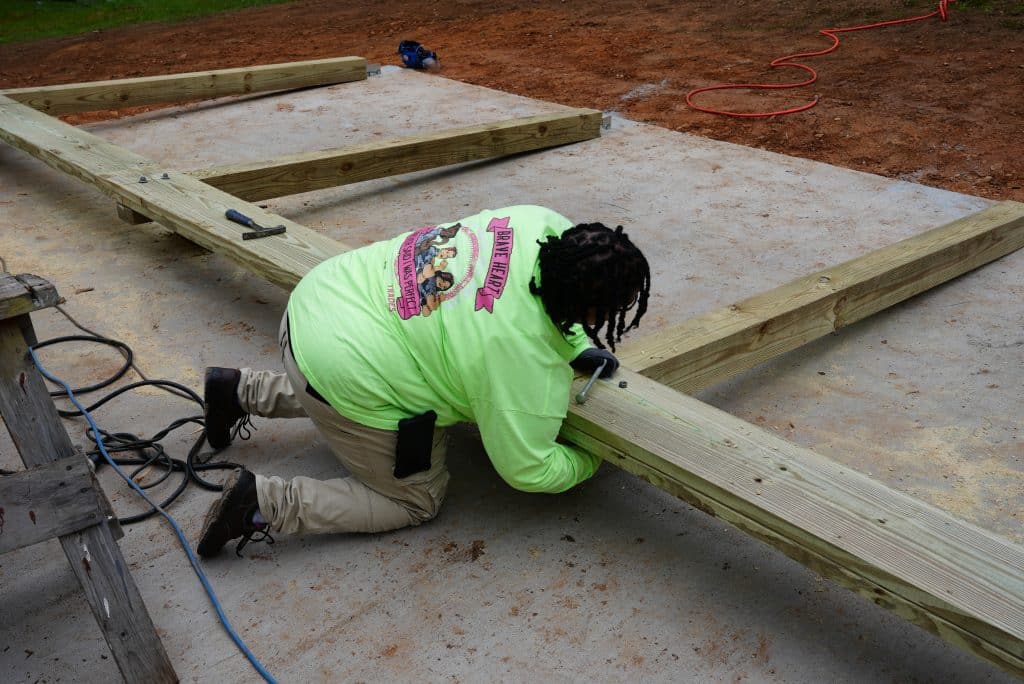
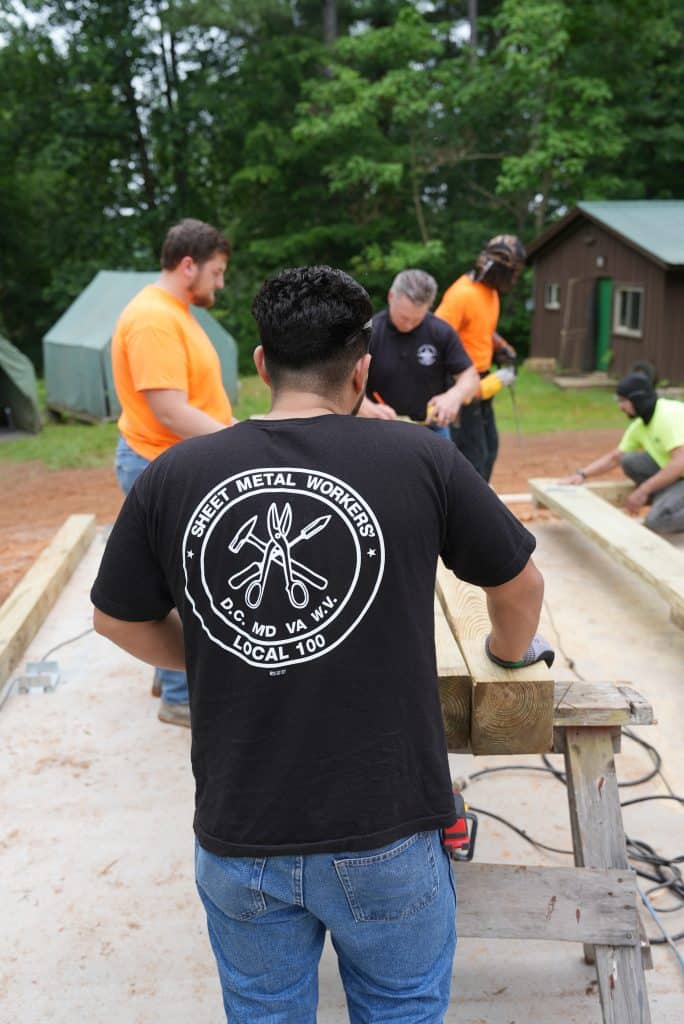
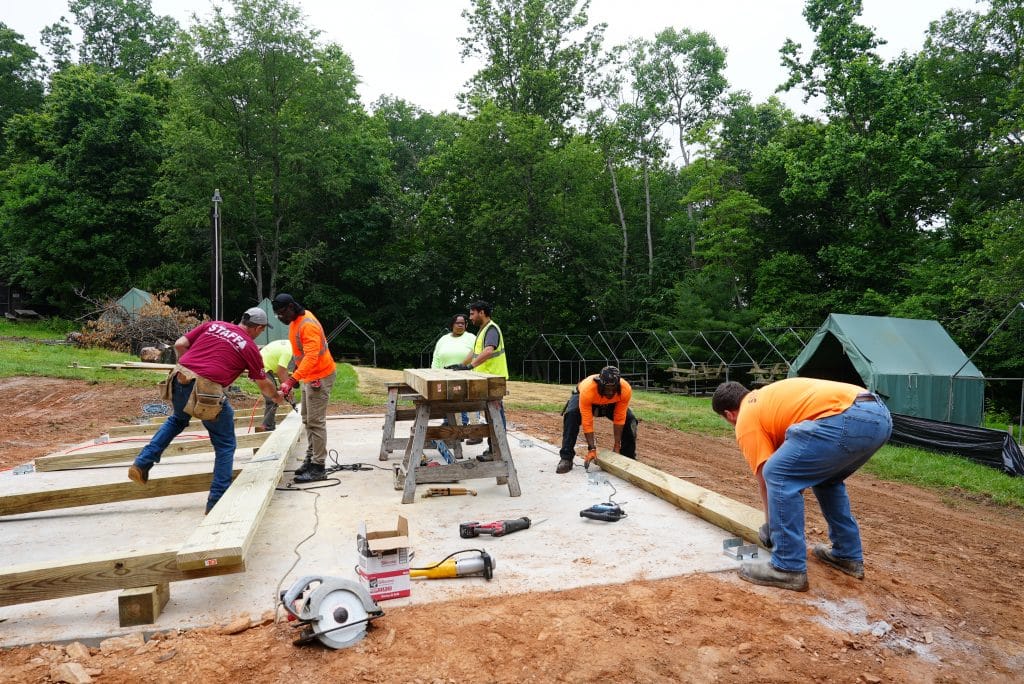
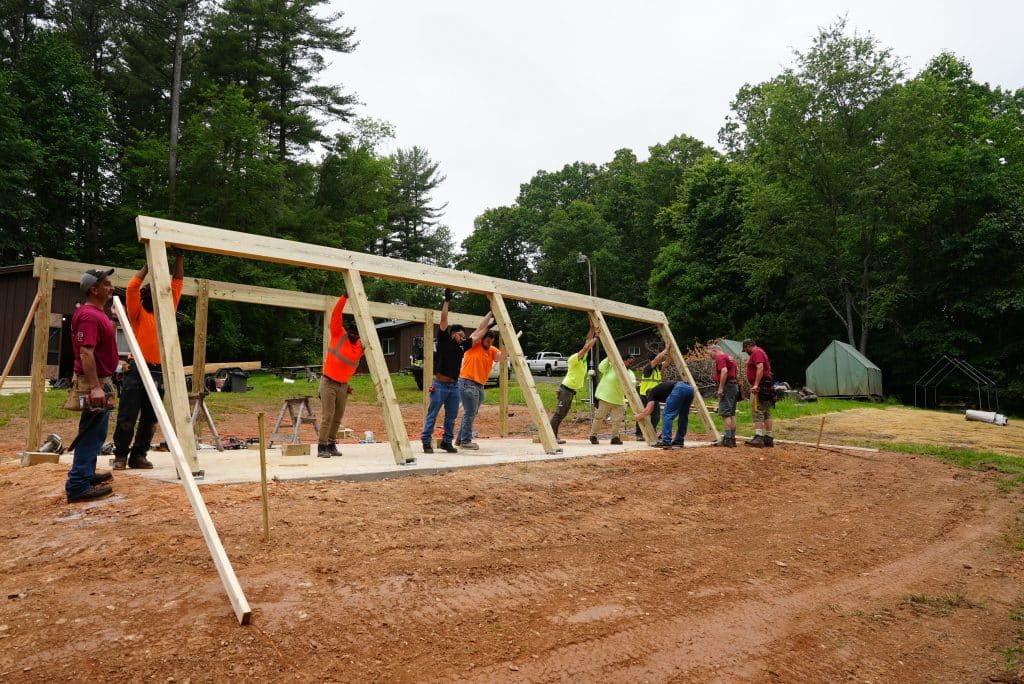
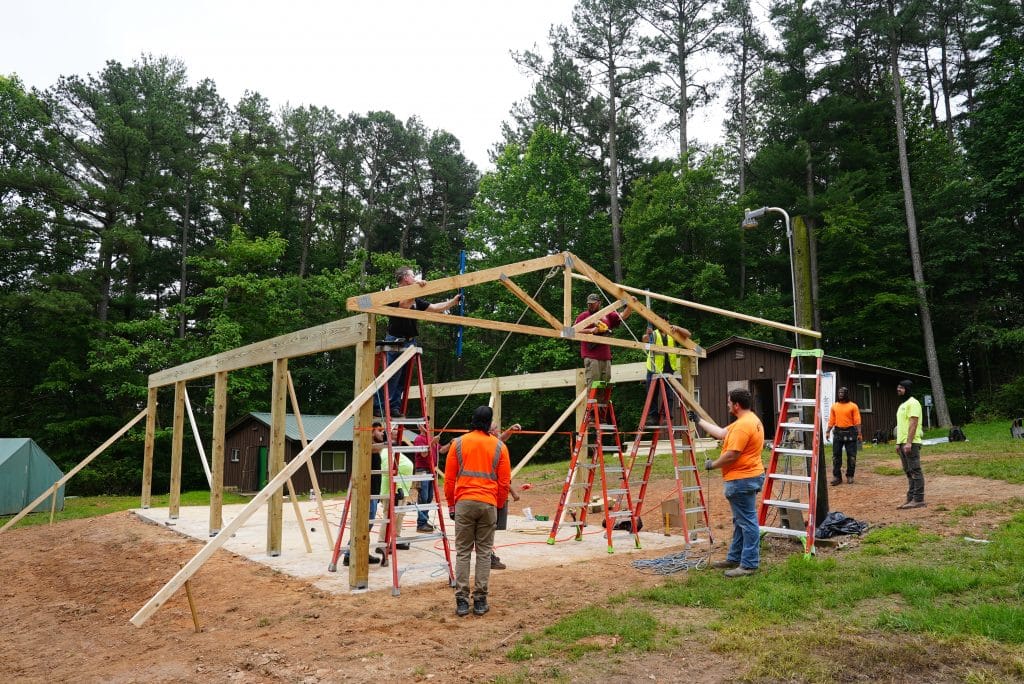
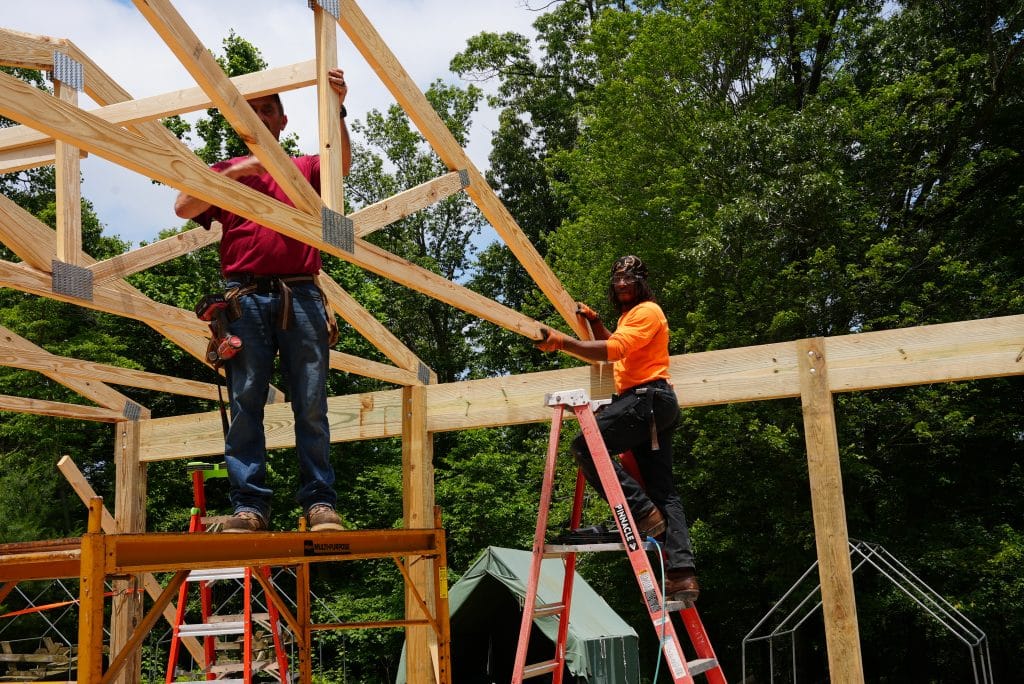
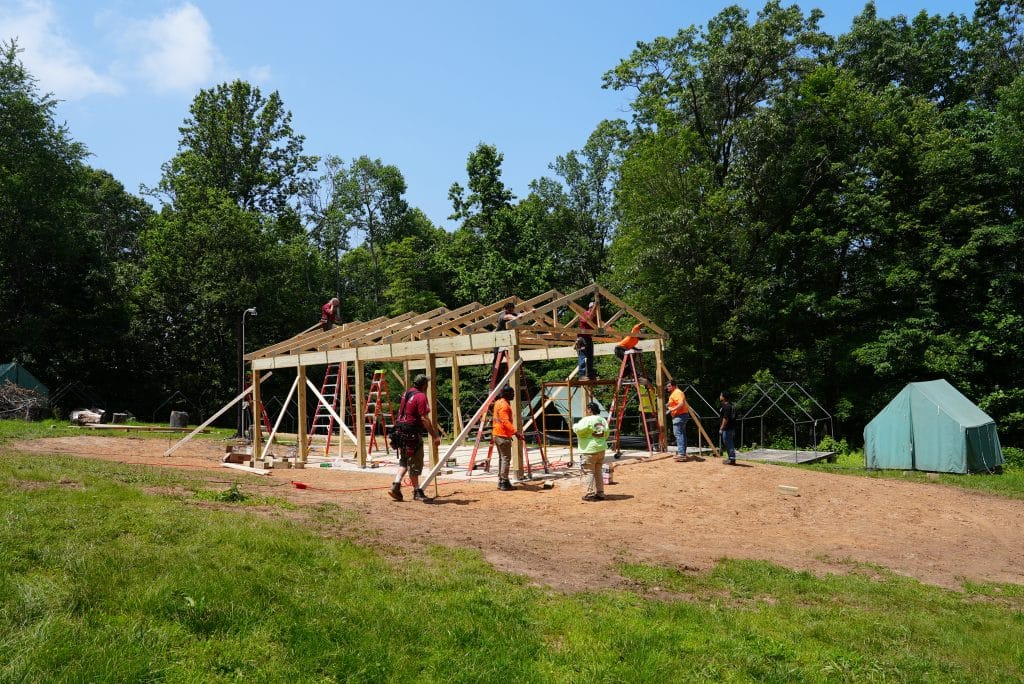
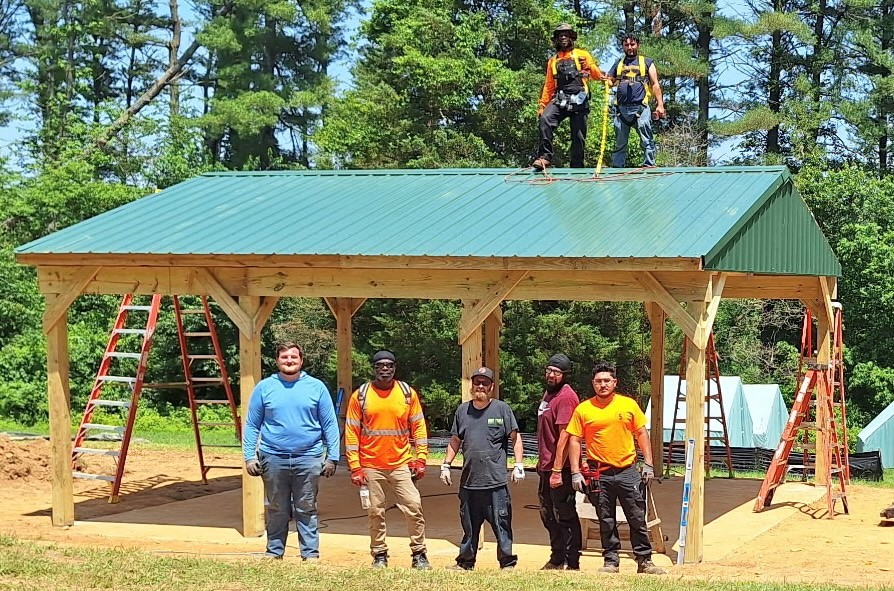
In collaboration with the Union Sportsmen’s Alliance (USA), members of SMART Local 100 donated their time and labor to build two brand-new pavilions from scratch at Broad Creek Memorial Scout Reservation in Whiteford, Md. — helping provide necessary structures for the area outdoor youth center.  

“We really appreciate the partnership with Local 100, in conjunction with USA, for coming out and being part of this project,” said Manuel Fonseca, deputy scout executive & COO, Baltimore Area Council, Scouting America. “Having two additional structures for staff and campers is much needed and much appreciated. Scouting is all about safety — along with utilizing them for social activities, having these two new pavilions will provide another option for shelter.” 

Each year, more than 23,000 youth visit Broad Creek to participate in activities designed to foster youth development, adventure and team building in the great outdoors. Located just over 40 miles from Baltimore, Broad Creek is the fifth-largest block of undeveloped land in the traditional Baltimore metropolitan area, with 1,624 of the reservation’s 1,676 acres permanently protected under a combination of county, state and federal conservation easements. The campsite offers programming to kids across the area — and staff saw the need for an additional two pavilions to provide places for campers and staff to gather, eat, socialize and potentially take shelter during inclement weather. 

That’s where the union volunteers entered the picture. Both USA and Local 100 share the values of solidarity and ensuring young people have access to the great outdoors — for that reason, it was an easy decision for both organizations to come together and build the two pavilions, lifting the burden off Broad Creek’s shoulders.  

The Local 100 volunteers took just four days to build the two pavilions essentially from scratch: Besides raw materials and poured concrete, the sheet metal workers and Broad Creek staff assembled every part of the completed structures.  

The end result? A demonstration not just of union craftsmanship and efficiency, but of SMART’s principles as well.  

“We look forward to many years of future projects with Local 100 and USA,” Fonseca concluded. 

Members who participated: Apprentices Nicholas Ray, Andre Matthews, Erick D. Rosa Pineda, Nigel Mills, Gary Plumley Jr. and Zachary A. Evans, plus Organizers Latauna Bigelow and Lester Larios. 

Yesterday, the White House budget office encouraged federal agencies to use project labor agreements on construction jobs. The guidance includes potential exceptions to avoid the use of PLAs.

“Although it doesn’t contain the same protections as the Biden administration, this is a step in the right direction. Project labor agreements create jobs for SMART members and working people across our country,” SMART General President Michael Coleman said in response. “All of us at SMART appreciate and applaud yesterday’s guidance from the White House, and we look forward to keeping this conversation going. We encourage them to go further, for the sake of our members, our families and our neighbors.

“We will continue to do everything we can to keep creating jobs for SMART members and Americans nationwide, and we encourage all agencies to support the use of PLAs on all federally funded projects.”

Members can read the memo here.

The Department of Energy recently canceled $3.7 billion in awards for various energy projects, including a project in Mitchell, Indiana, that had employed Local 20 sheet metal workers.

“These major energy projects were creating jobs for SMART members and American construction workers. Now, after the Department of Energy’s announcement, those jobs have been taken away,” said SMART General President Michael Coleman. “That’s bad for our members, our families and our country. We’re urging the Department of Energy to reverse this decision and put American workers back on the job.”

Members can learn more here and here.

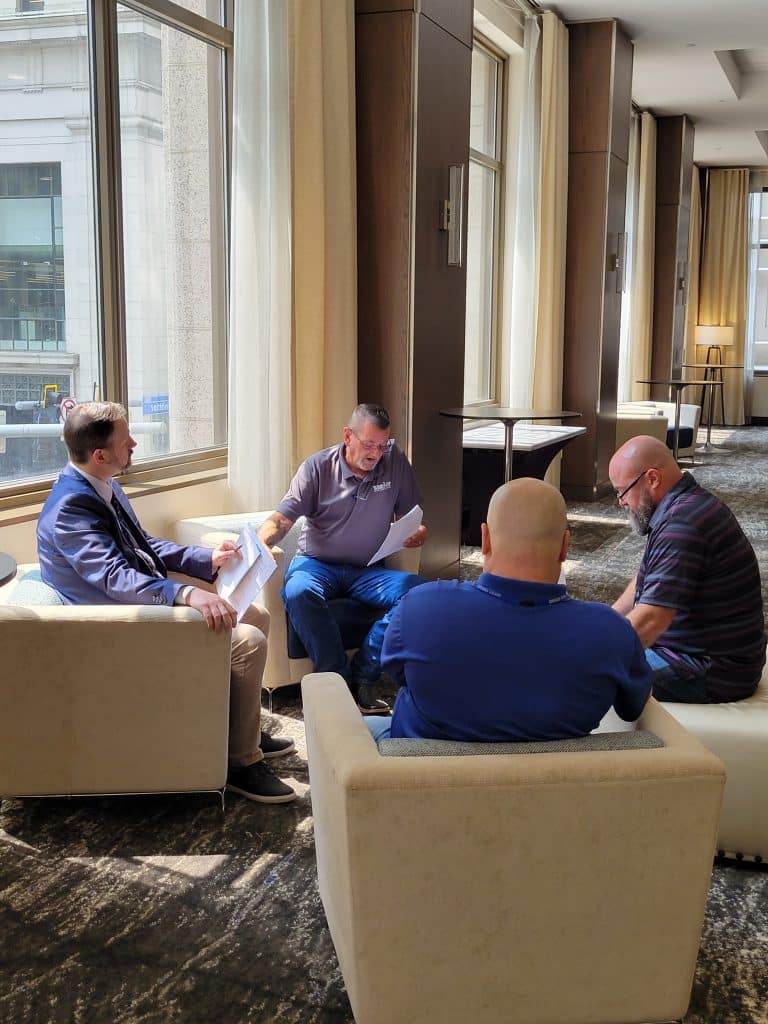
SMART union leaders often need to communicate important information to a wide variety of parties — politicians, business owners, fellow workers and reporters, to name a few — when fighting to better the lives of SMART members. That’s why the SMART Education Department held its Effective Communication II class in Pittsburgh, Pa., during the week of June 3, 2025, bringing together participants from across North America to enhance their skill sets.

The class focused on improving communication skills by dissecting branding and messaging techniques, practicing lobbying tactics, creating pitches for news stories, framing and reframing talking points, and making spontaneous arguments through debate. On each of the three days of the class, participants honed their lobbying skills with exercises that asked attendees to role play as random organizations that sometimes challenged their beliefs, helping local leaders understand the other side of the argument. Groups were mixed for every exercise, and a point system was in place.

“Congratulations to Christina Bayaniyan (first place) and Jon Davis (second place) for being recognized by their peers as the top two participants in the class!” said SMART Director of Education Eli Baccus.

Following reporting by ABC News that Kilmar Abrego Garcia is being returned to the United States from El Salvador, SMART General President Michael Coleman released the following statement:

“Since March, our demand has not changed: Kilmar Abrego Garcia must be returned to the United States and receive his right to due process. This is a right granted to every person in our country.

“This fight isn’t about one man — it’s about ensuring our constitutional rights are protected, for the sake of all SMART members and everyone in this country. If one person’s right to due process is denied, all our rights are in danger.”

The Spring 2025 Belonging and Excellence for All (BE4ALL) Challenge asked SMART members to answer the question: Why are you proud to be a SMART member? Dozens of members answered the call, with three selected in a raffle as the quarter’s winners. Read their submissions below.

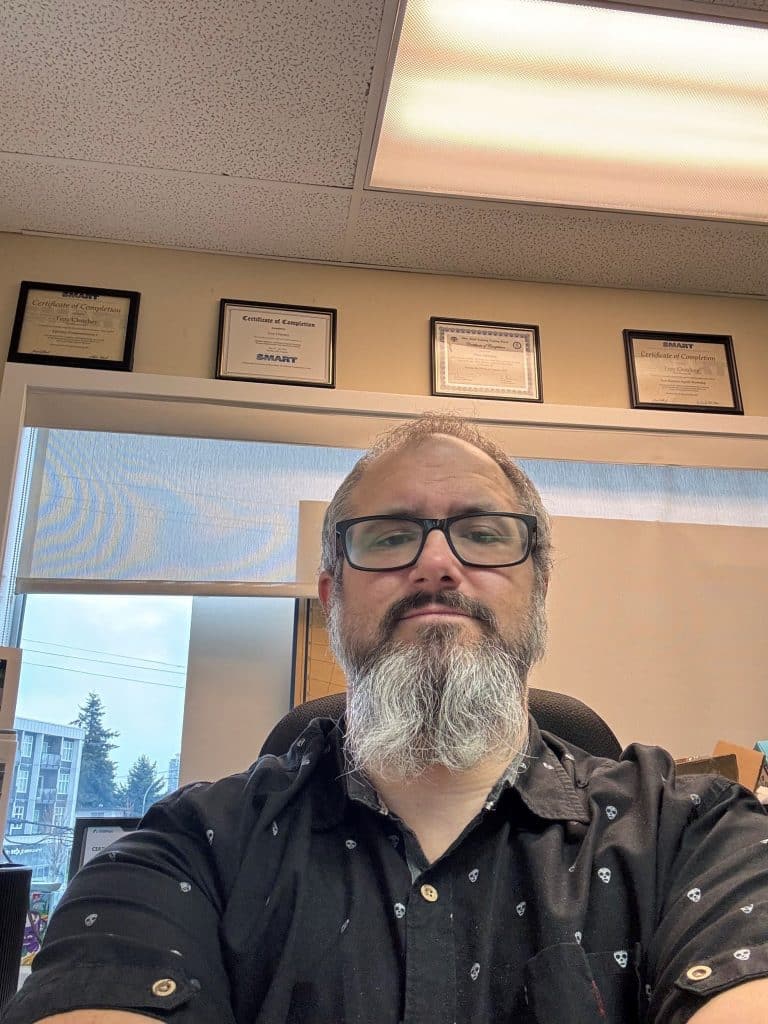
Local 280 (Vancouver, British Columbia) Business Rep. Troy Clutchey went long in his answer:

“I am proud to be a union member, as I believe in the union movement all around. I am a third-generation sheet metal worker. I have benefitted from Local 280, as well as unions in general, since well before I was born.

“My grandfather came to British Columbia and joined Local 280 as a journeyman sheet metal worker in 1950. He told me that the journey rate was about $2.50/hour when he started here. This obviously would have had an influence on my mom’s upbringing, as she wasn’t born until 1953. My mom also understood and believed in the benefits of union.

“She met my dad many years later, and in 1974, at the suggestion of my grandfather, he too joined Local 280, obtaining his Red Seal in 1979. This led to my family having a good, full, enjoyable lifestyle. Born in 1983, the benefits and pride that came from union membership have been with me my whole life. My father’s membership in 280, and my mother’s union membership as an employee of the government provided so many great aspects to our life.

“In 2003 I started my pre-apprenticeship at SMART Local 280, and I have never looked back. I went through my apprenticeship, and I obtained my Red Seal certification in May 2008. The benefits that I have received are amazing. From the very beginning, everything from the “automatic savings” to go through apprenticeship, to the registered program for training that entitled us to unemployment insurance benefits while in school, to the more affordable tuition costs, to having our own training centre with amazing instructors who are Red Seal certified tradesworkers.

“Move ahead a few more years, and I started a family of my own. With my wife being able to get benefits, and then us having two children together, the union has never stopped helping with our lives. Everything from psychology assessments, medical benefits, dental coverage, to glasses coverage and even wage indemnity coverages during times of need.

“The benefits are great, and so is knowing that everyone is together and looking out for one another. Safety conversations are much easier with everyone on the same page and a backing the size of a local union. We believe that we are setting the standards for industry all over the place.

“Knowing that even things like counselling and mental health services — not to mention addiction services and everything along those lines — are covered and organized through the union is amazing.

“For the last seven years, I have had the honor of serving as an elected business representative at Local 280. This work can be stressful and draining at times; however, the benefits and belief that I am helping as many people as I can join and benefit from the union makes it all worth it. Knowing that I might be able to get even one more person to join the union, grow and strengthen it, while obtaining some of the amazing benefits union membership affords the working class, is so fulfilling.

“I hope that the union, and all proper unions, can thrive for generations to come, as I truly believe that they bring out the best in everyone.”

Scott Raia, a member of SMART-TD Local 1626, said in his answer:

“My membership in this union has been the single most important step I have taken in my family’s financial life. It came right after my daughter was born. Finally, we were able to purchase a home, access quality medical care and think about the future. Every worker in this country should have those privileges. The men and women in this union have fought hard for generations to afford us the protections and security we enjoy as members. I owe this organization everything.”

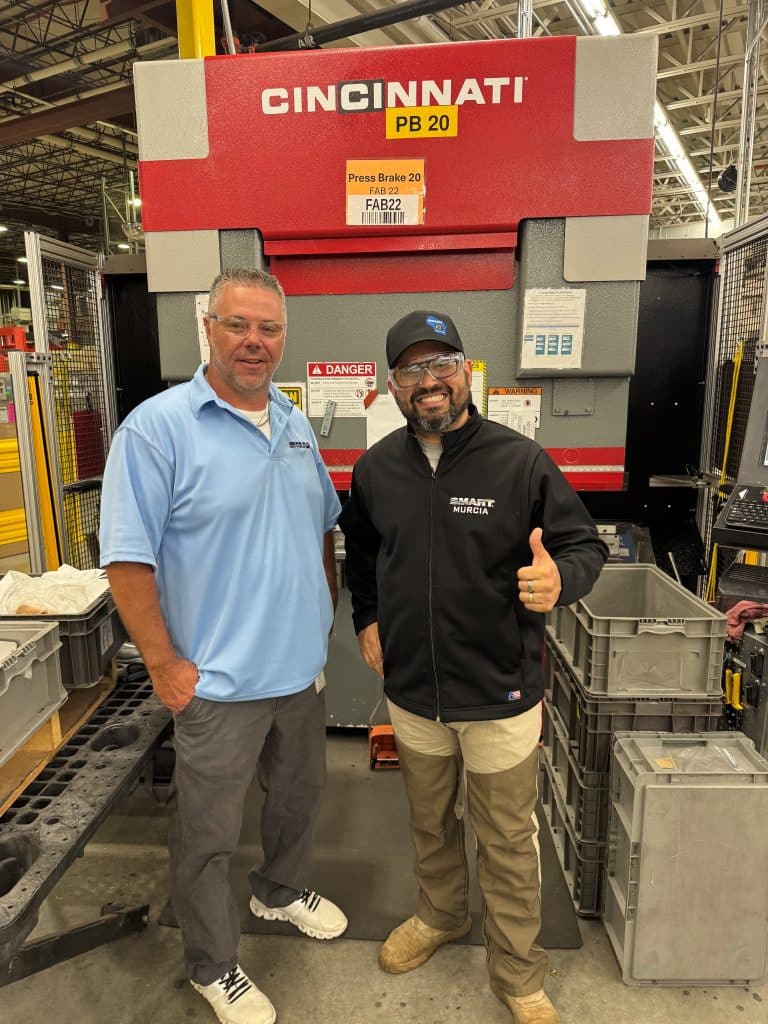
Adrian Murcia, a member of SMART Local 565 (Wisconsin), discussed not just his union pride, but the support and happiness his membership gives him as well:

“I am very happy to belong to SMART. Ever since I was hired and joined the union, I have felt proud to belong to it. It was incredible to receive the bonus in the negotiation of the contract after just six months of joining Sub-Zero. With SMART, I feel supported in the resolution of any conflict that may arise, and SMART gives me the peace of mind that I have job stability. Additionally, and thanks to the strong negotiation of our salary, I have been able to make investments for my future.

“Thank you, SMART.”

Adrian Murcia, right, pictured wearing BE4ALL jacket with Local 565 Business Manager Jesse Buell

Congratulations, all!

Sisters and brothers,

As Canada kicks off its 6th Annual National Roofing Week, it’s a great time to be a SMART member and a roofer.

Roofers, as skilled trades professionals, play a critical role in building and maintaining the infrastructure that keeps our communities safe and resilient. This week is an opportunity to celebrate the legacy projects that span coast to coast to coast — from hospitals in British Columbia to long-term care homes on the East Coast and innovative library projects in Ontario; our dedicated members are truly building the future.

As Canada enters a new era of growth, focusing on green energy projects and the transition to net-zero, roofers stand at the forefront of this transformation. From solar-ready roofs to green roofing systems, our members are leading with integrity, respect, and pride as they build a clean and sustainable future. With hundreds of thousands of skilled trades jobs needed to meet Canada’s climate goals, roofers play a crucial role in creating resilient communities and supporting the transition to a green economy. 

Let’s take this opportunity to recognize the contributions of roofers and emphasize the importance of skills development and training, ensuring that we have a diverse and powerful workforce ready to meet Canada’s needs.

In solidarity,

Jack Wall, SMART Director of Canadian Affairs

Los Angeles is famous for its traffic. And a large part of that (in)famy is driven by the East Los Angeles Interchange, where Interstate 10 connects with United States Highway 101. Hundreds of thousands of drivers going to, from and through downtown L.A. connect via the two highways daily — including Local 105 member Margarito Martinez, who currently works night shifts as a foreman for Thermal Concepts in Chino, California.

That’s precisely where he was headed on May 9 at 4:40 p.m., when he happened to look out the window on his drive to work and see a woman experiencing a seizure behind the wheel.

“I’m not a doctor,” Martinez said. “I’m no nurse, but, you know, just doing all the [safety] training I’ve been doing all these years, even when I was in the apprenticeship, prepared me to see what was going on.”

Dashcam video shows Margarito Martinez and a fellow driver helping a woman who had a seizure while driving during rush hour in Los Angeles.

The traffic during rush hour on a weekday, Martinez explained, can be near gridlock. On May 9, as he commuted to work, cars were driving on the interchange at speeds under five miles per hour. That provided the ability to see more than usual.

“I noticed a lot of the cars were just going around a car that was acting weird,” Martinez recalled. “So as I got closer to the car, I looked over and I saw a lady foaming from her mouth. She just had a white pile of foam on her chest. And as I got closer, I looked over and it just kicked in for me. You know, I run work, I’m trained for this stuff, so instinct kicked in.”

None of the other drivers were stopping or taking action — but on the other side of the woman’s vehicle, Martinez made eye contact with another work truck.

“I don’t know who he was, but he had a passenger, and we made eye contact and we both agreed … we’ve got to help this lady,” he said.

Martinez and his fellow worker leapt into action. They jumped out of their respective vehicles and ran towards the woman’s car, at which point Martinez said he noticed the woman was “turning blue.” The car was still moving — as the other Good Samaritan tried to slow the car, Martinez pushed a window down.

“I tried opening the door, but she was unconscious. I shook her and she kind of looked surprised, looked at me, like, ‘what are you doing to me?’ And I said, I’m trying to save your life,” he described. “I told her, you’ve got to put your car in park. [But] … for some reason, her body seemed stuck. And she said, ‘oh my God, it’s happening again.’”

The woman started seizing, Martinez said: Her eyes rolled back and she began foaming at the mouth.

“That’s when I jumped more into the window,” he recounted.

Martinez was able to reach the door and open it, and the woman briefly regained consciousness. She tried to put the car in park but accidentally started to reverse instead; Martinez jumped back into the car and hit the emergency brake.

“That’s when she looked at me again. She said, ‘thank you so much, sir, but it’s going to happen again.’ And sure enough, she started seizing again,” he said.

Martinez held her head back to make sure she didn’t choke. Once the woman regained consciousness, he asked two women behind the car to call 911. The ambulance arrived shortly after, bringing the medical attention the woman needed.

Martinez had to leave when the ambulance came — “I can’t be late,” he remembered thinking.

But before he hit the road again, the paramedics told him that had he not acted, the woman could have crashed, been hit or simply not woken up.

Local 105 paid tribute to Martinez on Facebook, writing: “Margarito, your courage and dedication reflect the very best of Local 105. Your commitment to the safety and well-being of those around you — on and off the job — makes us incredibly proud. Thank you for your service to the community and for representing SMART Local 105 with such integrity. Keep leading by example!”

To Martinez, it was nothing heroic — it was simply a combination of union training and union values.

“I didn’t even think about myself to be honest. It was just: Help this lady out,” he reflected.

“All this training we do … it did do something. I did not panic … it felt like the right thing to do.”

On Thursday, March 27, an executive order signed by President Trump ended collective bargaining for nearly one million federal workers, including Local 17 sheet metal workers at Portsmouth Naval Shipyard (PNS) in Maine.

“I found out when I woke up in the morning [Friday] that the dues that were supposed to be taken out of the check were not taken out,” recalled Shaun Fisher, electrician inspector and chief steward at PNS. “The reaction is horrible. … We don’t know what’s coming or going.”

PNS employs workers in a variety of metal trades: mechanical, electrical, interior for the submarine lockers. For years, and following a decades-long fight to organize the shipyard, these skilled tradespeople workers under the protection of union representation — giving them not only the financial benefits that allow SMART members across North America to provide for their families, but also job security and peace of mind.

All that changed in March, when SMART members like Fisher had their rights stripped in an instant. That had an immediate, on-the-shop-floor impact on member representation and working conditions.

“Everybody’s scrambling, and it gives free reign for management to do whatever the hell they want,” he said. “It makes it real hard now, especially the fact that if they take away our pool time and we can’t represent our people, we’ve got to use our own leave to do that.”

Local 17 and the Portsmouth Metal Trades Council immediately contacted impacted members to let them know their unions were pursuing all avenues available to protect shipyard workers’ jobs. But the constant uncertainty around workers’ representation and the threat of mass layoffs is taking a toll, Fisher said.

“Everybody’s scared,” he added. “We’re left with no guidance [from management] whatsoever.”

The fight isn’t over. In the halls of government, an array of Republican and Democratic representatives introduced the bipartisan Protect America’s Workforce Act, which would restore federal workers’ (including PNS SMART members’) collective bargaining rights.

And regardless of what happens moving forward, Fisher declared, he and SMART will do whatever it takes to protect members under attack.

“I’ll do anything,” he vowed. “If it means standing on a line with people and representing for the shipyard, I will do that.”